





Introduction — Why choose budget transport to Plitvice Lakes from Zagreb and Split
Plitvice Lakes (Plitvička Jezera / Plitvice Lakes National Park) are among Croatia’s most-visited natural wonders. Located roughly halfway between Zagreb, the country’s cultural and administrative capital, and the historic coastal city of Split, the park is reachable by several transport options. If you’re watching your budget — whether you’re a backpacker, a family, or a couple on a short getaway — finding affordable options without sacrificing safety or basic comfort is key to getting the most out of your visit. This guide gives practical info, exact addresses, typical timetables and price estimates in euros, plus local tips to optimize your trip from both Zagreb and Split.
To plan well, keep three facts in mind: 1) Plitvice sits in a rural area and is not served by direct rail links; 2) buses are the most common and economical solution; 3) private transfers and shuttles can look pricey but offer flexibility and time savings that are often worth it for families or groups on a tight schedule. In this guide you’ll find a clear comparison between long-distance buses (regular operators like FlixBus and local companies), train + bus combinations (for those who want to travel at least part of the way by rail), carpooling (BlaBlaCar), shared shuttles, and tips for renting a car for a day if needed.
The goal of this article is to make your trip to Plitvice Lakes simple, predictable and as cheap as possible. You’ll get exact addresses like Zagreb’s main bus station (Autobusni kolodvor Zagreb, Trg kralja Tomislava 12, 10000 Zagreb) and Split’s main bus station (Autobusni kolodvor Split, Obala kneza Domagoja 8, 21000 Split), price ranges in euros for each option, typical departure times (early morning departures recommended), plus practical advice on booking tickets, bus stops at Plitvice, and planning your visit times according to the season. We also include local tips — where to pick up sandwiches before you leave, where to store luggage, and which park entrances to favor depending on your route — to turn a transfer into a smooth, enjoyable experience.
1) Direct buses and budget operators from Zagreb
The most direct and typically cheapest way to get to Plitvice Lakes from Zagreb is by direct bus. The main bus station is Autobusni kolodvor Zagreb at Trg kralja Tomislava 12, 10000 Zagreb, Croatia. This station is a hub for both national and international routes. The most commonly used carriers are FlixBus (website/app), Arriva and several regional Croatian companies (e.g. Autotrans / Promet, depending on season).
Schedules & frequency: in high season (April–October) you’ll find 3 to 6 daily direct departures Zagreb → Plitvička Jezera (arriving near Park Entrances 1/2). Typical departures run from 06:00 to 16:00. In low season (November–March) frequency drops to 1–3 departures per day, often in the morning between 07:00–09:00 and sometimes an afternoon run. Example time slots: 07:15, 09:30, 12:00, 15:45 (subject to operator timetables).
Indicative prices: a one-way ticket Zagreb → Plitvička Jezera generally costs between €10 and €18 depending on operator and how far ahead you book. FlixBus sometimes runs promos from €7–9 if booked early; local companies often list €10–15. Return tickets may offer a 10–15% saving when purchased online.
Duration: the trip takes around 2 h 15 to 2 h 45 depending on route and traffic. Modern coaches are usually air-conditioned and may have toilets and Wi‑Fi (varies by operator).
Where to board and disembark
- Departure: Autobusni kolodvor Zagreb, Trg kralja Tomislava 12, 10000 Zagreb — arrive 20–30 minutes before departure, especially in high season.
- Arrival: main stop “Plitvička Jezera” near Park Entrances 1 and 2; approximate arrival address: 53231 Plitvička Jezera, Croatia. Ask the driver for “Plitvička Jezera (Entrance 1 / Entrance 2)”.
Local tips:
- Book online via operator websites or FlixBus to lock in the best price and a seat.
- In high season, choose an early morning departure (06:00–08:00) to arrive with soft morning light and avoid crowds at the main waterfalls.
- If you only plan a half-day visit, check return times the day before — there may be only one or two late-afternoon returns.
2) Budget routes from Split: direct buses and combos
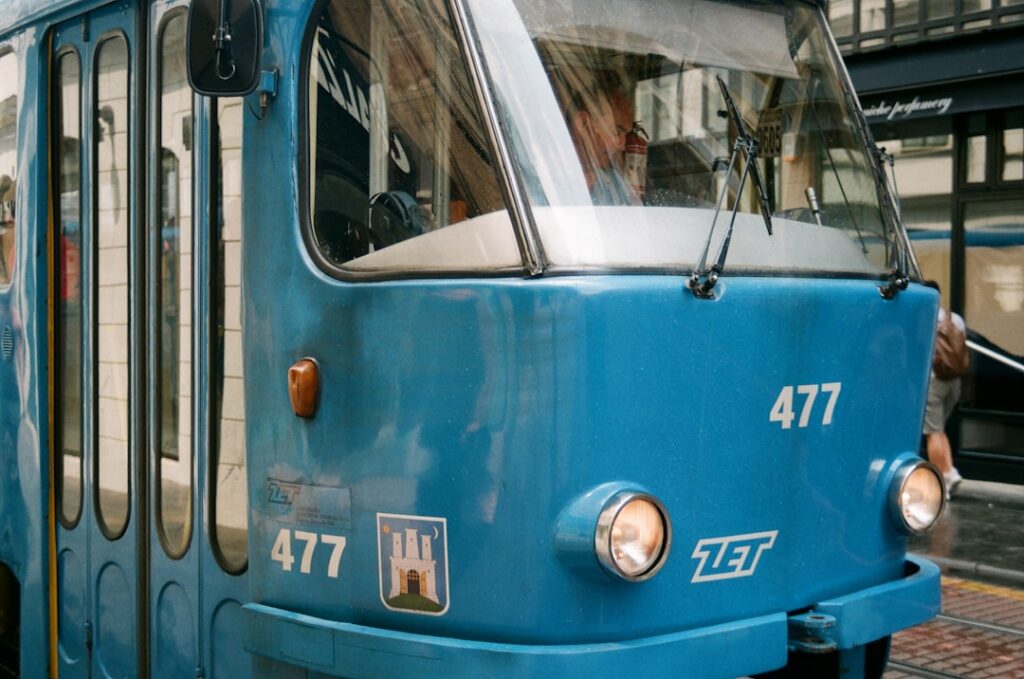
Split, on the Adriatic coast, sits about 3–4 hours from Plitvice by road. Budget options include a direct bus, a bus + connection, or carpooling. Split’s main bus station is Autobusni kolodvor Split at Obala kneza Domagoja 8, 21000 Split, Croatia.
Direct buses Split → Plitvička Jezera: in high season there are several direct services operated by FlixBus and local carriers, with typical departures between 06:00 and 09:00 (sometimes early evening depending on demand). Average duration: 3 h 15 to 4 h depending on route. Prices: usually between €15 and €25 for a one-way ticket. It’s wise to book at least 2–3 days in advance during summer.
Bus + connection: to cut costs, you can take a regional bus to Knin or Sinj (fares €4–8) and then transfer to a bus for Plitvice (€8–12). Example itinerary:
- Split (Autobusni kolodvor Split, Obala kneza Domagoja 8) → Knin: 1 h 10–1 h 40, €6–9
- Knin → Plitvička Jezera: 1 h 10–1 h 40, €8–12
This saves money but requires coordination and can be slower — it’s a good option if your schedule is flexible. Check local timetables at the bus station the day before you travel.
Carpooling / BlaBlaCar: ride-sharing is common in Croatia. A Split → Plitvice seat via BlaBlaCar is often listed between €18 and €30 depending on the driver and timing. Pros: flexible departures and sometimes faster; cons: depends on availability and luggage limits.
Shuttles and private transfers: several agencies in Split offer shared minibus shuttles to Plitvice. Typical fares: €40–60 per person one-way, with pick-up from your accommodation in Split. Great if you don’t want to manage connections.
3) Train + bus combos: a scenic, budget-friendly option from Zagreb
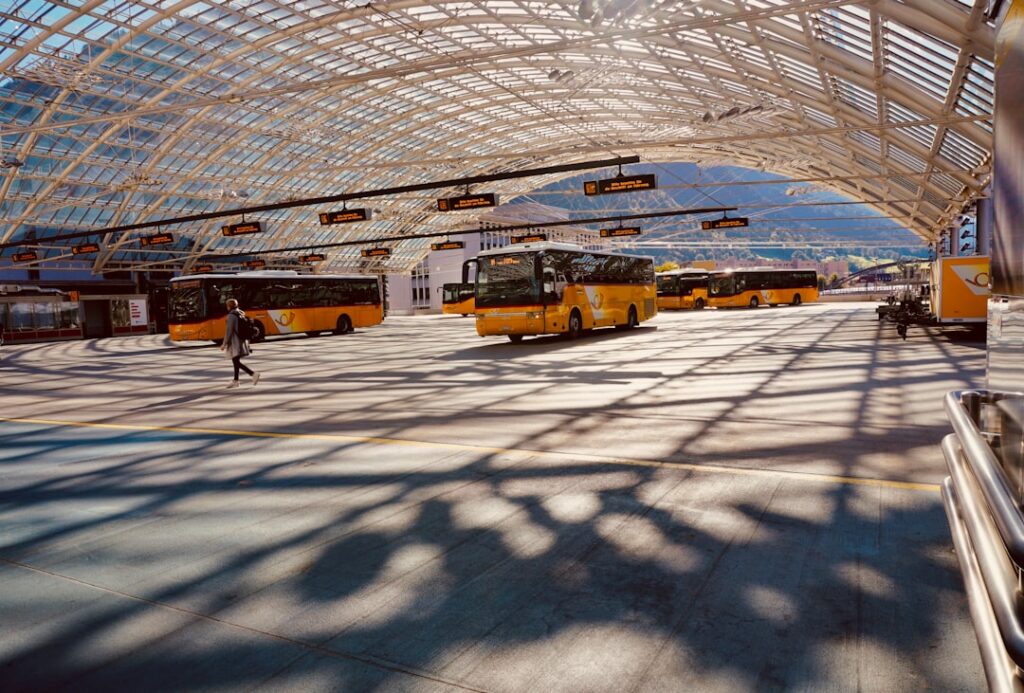
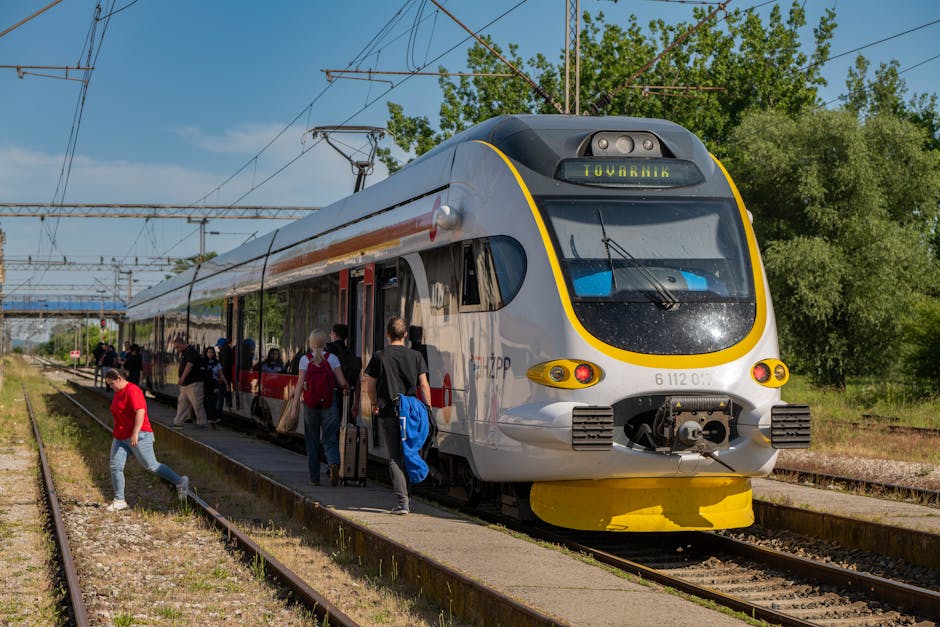
If you prefer to travel by train for comfort and scenery, a train + bus combo is possible from Zagreb. Note: there is no direct rail link to the park — you’ll disembark at a station and continue by bus. Two recommended routes are:
- Zagreb (Glavni kolodvor, Trg kralja Tomislava 11, 10000 Zagreb) → Karlovac (station) by train, then bus Karlovac → Plitvička Jezera.
- Zagreb → Rakovica by train (when served), then a short bus/taxi transfer to Plitvice.
Zagreb → Karlovac (regional train): duration ~ 45–60 minutes. Price: around €4–6 for a standard ticket. Frequency: regional trains run every 1–2 hours during the day. On arrival at Karlovac station (Address: Glavni kolodvor Karlovac, 47000 Karlovac), head to the nearby bus station — buses to Plitvička Jezera depart several times daily. Karlovac → Plitvice by bus: ~1 h 30–2 h, fare ~€8–12.
Advantages: trains are less prone to traffic delays, offer lovely views of the Croatian countryside, and are very affordable. Drawbacks: you’ll need to coordinate connections and total travel time can be longer than a direct bus.
Practical tips:
- Check train times on the Croatian Railways (HŽ – Hrvatske željeznice) website and buy tickets at the station or via the HŽ app.
- Allow at least 45–60 minutes between train arrival and the bus departure to avoid rushing.
- In high season connections can be crowded — arrive early to secure a spot on the connecting bus.
4) Shared shuttles, private transfers and car hire: pros and costs
If you want flexibility but still keep costs reasonable, there are mid-range options: shared shuttles, shared private transfers and car hire for the day. Here’s a look at these choices and approximate costs.
Shared shuttles: several operators run fixed-time minibuses from Zagreb and Split. Typical prices: €30–45 per person from Zagreb and €35–55 from Split (one-way). Pros: hotel pick-up, sometimes a quick guided stop en route, no driving required. Book via operator websites or local agencies.
Private transfers: taxis or private minibuses are the most comfortable — and most expensive — option. Example fares: private transfer Zagreb (city centre) → Plitvice by car/taxi: about €90–140 depending on vehicle and season. Split → Plitvice: €120–180. Prices vary by operator and season. Tip: compare multiple offers and confirm the total price (tolls, waiting time fees and extras).
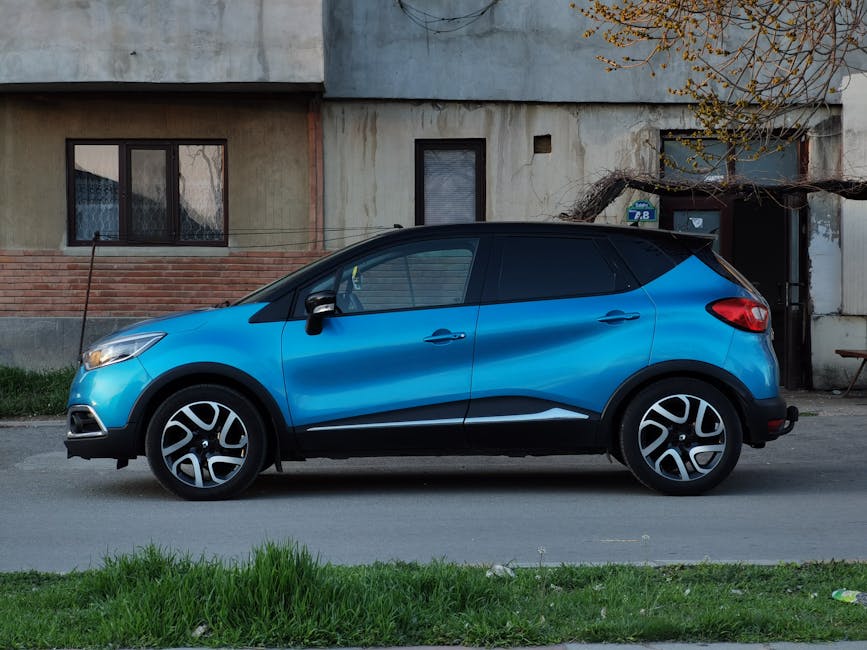
Car hire: renting a car often makes sense if you travel with others or want to explore the area. Small car rental rates: €25–45 per day in low season; in high season €40–70. Add fuel and tolls: for a round trip Zagreb → Plitvice expect about €40–70 extra depending on consumption and fuel prices. Pros: complete schedule freedom and the ability to stop in scenic villages (Slunj, Rastoke). Cons: summer parking around the park can be paid and limited.
Car hire tips:
- Book early (especially in summer) to get a better rate and an appropriate vehicle.
- Check fuel policy, insurance (CDW often recommended) and cover for unpaved roads if you plan to explore beyond main routes.
- Factor in time for tolls and peak-hour traffic.
5) On-site practical tips: park entrances, luggage, opening times and saving money
Once you arrive at Plitvice, a few practical tips will help you make the most of your visit and save money:
Park entrances and ticket prices in euros (indicative, seasonal):
- Entrance 1 (Ulaz 1 / North Entrance) — Approximate address: Plitvička Jezera, 53231 Plitvička Jezera, Croatia. Summer rates (1 April–31 October): adults ~€30–40; students/seniors ~€15–25; reduced fares for children. Off-season (November–March): adults ~€8–15. Opening hours: usually 07:00–19:00 in summer, shorter hours in winter (check the official site).
- Entrance 2 (Ulaz 2 / South Entrance) — Approximate address: Plitvička Jezera, 53231 Plitvička Jezera, Croatia. Rates similar to Entrance 1; this entrance is handy for southern park routes.
Notes: prices vary significantly by season (high season April–October). Tickets are often time-stamped — arrive during your allocated time window. Online tickets may be mandatory in high season, so book ahead via the official Plitvice Lakes National Park site.
Luggage and storage: there aren’t many centralized left-luggage options inside the park. If you arrive early by bus or shuttle, ask if your operator can hold small bags. Otherwise bring a light daypack and leave large suitcases at the departure bus station (some stations offer paid luggage storage). Nearby hotels usually store bags for guests.
Local money-saving tips:
- Visit early morning or late afternoon to avoid crowds and get better photo light — this also reduces total paid parking time.
- Bring water, snacks and a picnic: on-site food is convenient but pricier (expect €6–12 for a simple meal).
- If you’re on a tight budget, take a return bus from Zagreb rather than a private transfer; combine it with a longer walking route to see more without extra cost.
Conclusion — Picking the best budget option for your profile
In short, the most budget-friendly way to reach Plitvice Lakes depends on where you’re coming from, what you value (cost vs comfort vs flexibility) and the season. From Zagreb, the direct bus remains the simplest and cheapest option (€10–18), while a train + bus combo can be scenic and often cheaper overall (≈€12–18 total) if you don’t mind making a connection. From Split, direct buses typically cost €15–25, but you can trim costs with regional connections or carpooling via BlaBlaCar.
If you’re traveling as a group or family, renting a car can be cost-effective and gives you full freedom to explore (rental rates from around €25–45/day off-season). For those short on time, shared shuttles and private transfers offer a useful compromise between speed and price (€30–60 per person from Zagreb or Split). In all cases, book transport and park tickets in advance during high season to avoid disappointments.
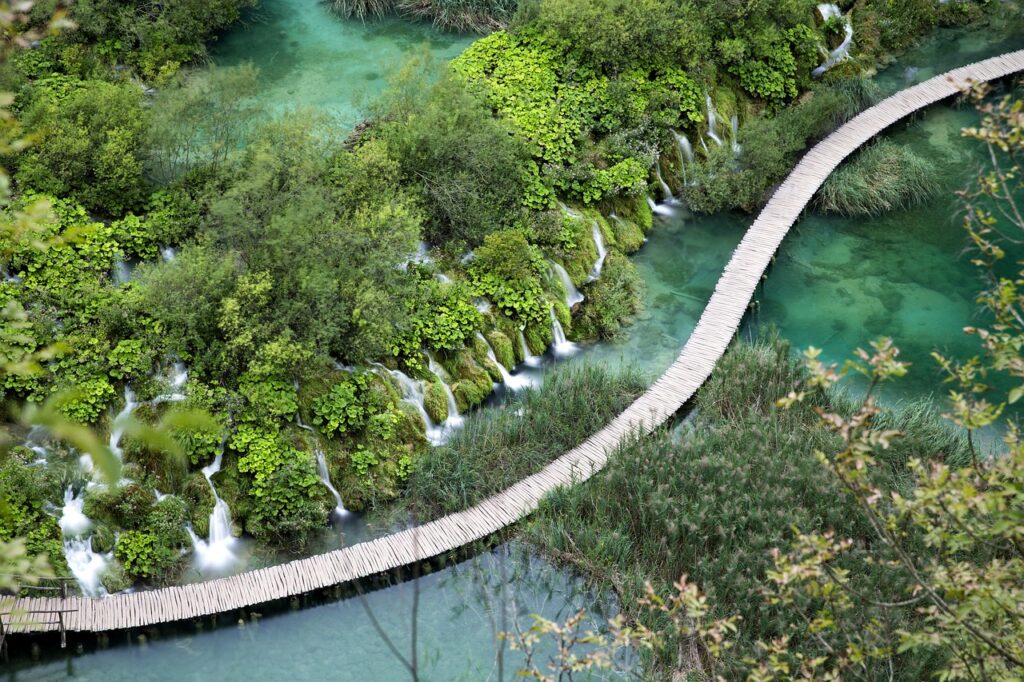
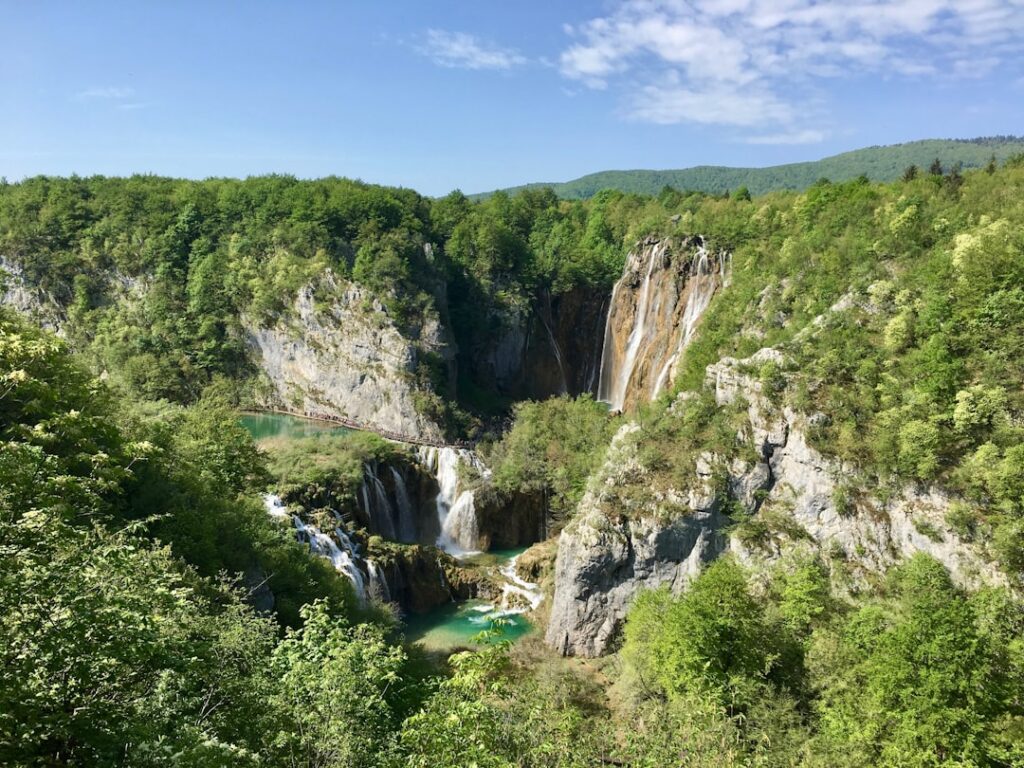
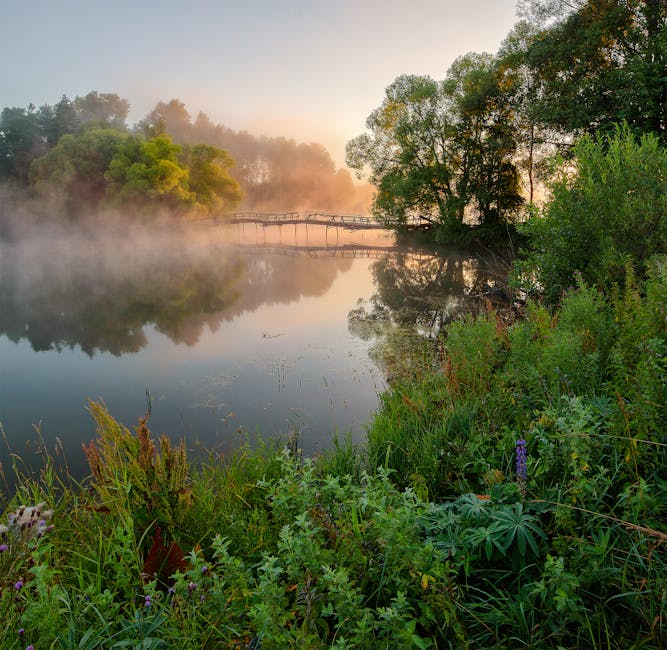
Finally, remember these local tips: leave early, carry water and snacks, check bus timetables the day before and confirm pick-up points with your carrier. With a little planning, you can visit Plitvice Lakes on a tight budget and still fully enjoy the wooden walkways, turquoise waterfalls and the stunning viewpoints that make this park famous.