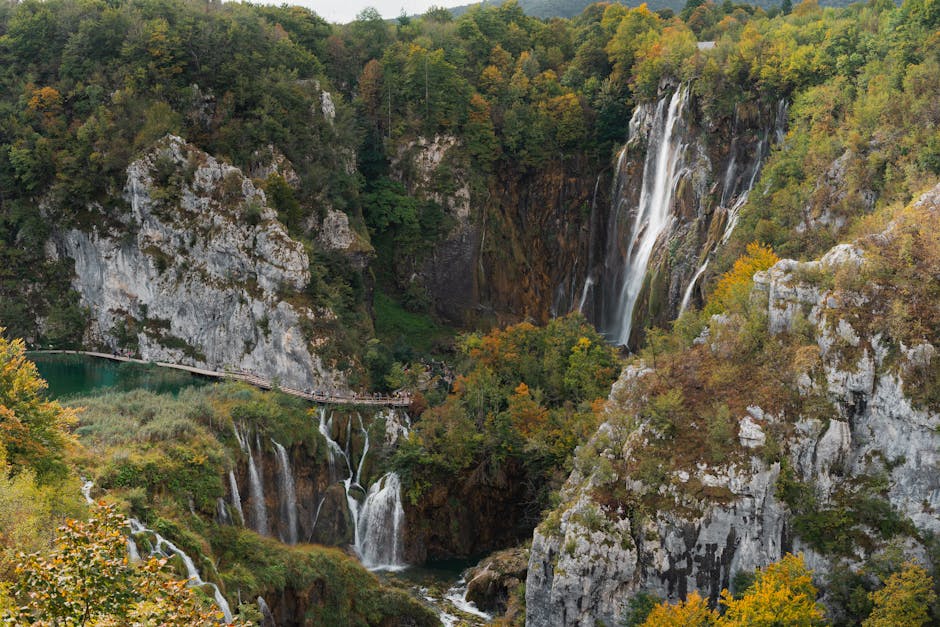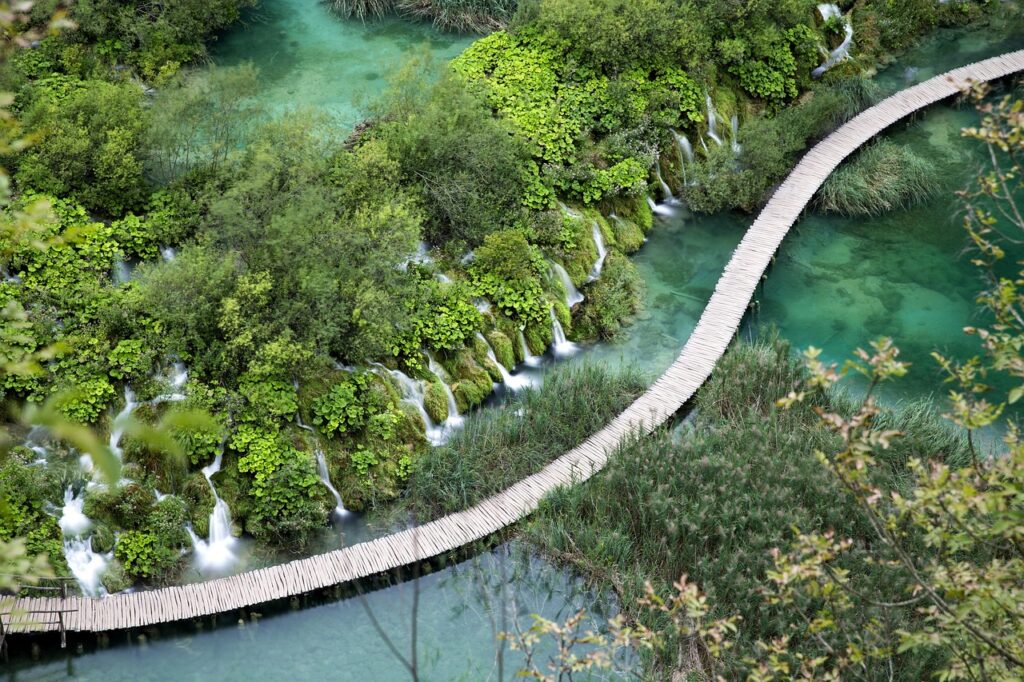






Introduction — Why picking the right way to explore the Plitvice Lakes matters
The Plitvice Lakes (Plitvice Lakes National Park, Plitvička Jezera, 53231 Plitvička Jezera, Croatia) are one of Europe’s most photographed natural treasures — famous for their tiered waterfalls, turquoise waters and wooden walkways that wind above the basins. But beyond the postcard shots there’s a practical question that will shape your visit: which way should you explore the park? Driving yourself, joining a day trip from a major city, booking a private guide, tackling longer hikes or combining electric boat rides and internal shuttles — each option brings very different benefits and trade-offs that affect budget, comfort, immersion and photo opportunities.
This full, practical guide walks you through the most common ways to visit Plitvice, weighing the pros and cons of each. You’ll get useful details: exact entry addresses, typical park and service hours, price ranges in euros, and local tips to save time and make your visit more immersive. The goal is twofold: help you pick the option that best matches your priorities (photography, peace and quiet, physical effort, budget, accessibility), and prepare you logistically so you avoid common mistakes (arriving at the wrong entrance, underestimating how long a loop takes, or forgetting to book in high season).
The park has two main entrances (Ulaz 1 / Entrance 1 and Ulaz 2 / Entrance 2) and an internal network of mini-buses and electric boats linking the upper and lower lakes. Ticket prices vary a lot by season: in high season (June–August) an adult day ticket can reach €40–45, while off-season prices drop to roughly €10–20. Opening hours are concentrated in the morning and early evening, but internal services (the electric boat on Lake Kozjak, shuttles) have their own timetables — typically around 08:00–18:00 in summer and more limited outside peak season.
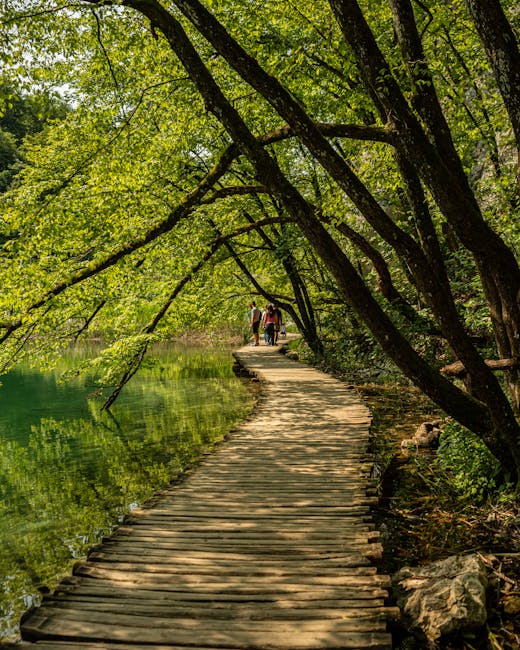
When reading this guide, keep three criteria in mind to make your choice: 1) how tolerant you are of crowds and fixed schedules, 2) how much physical effort you want, and 3) your budget. We’ll illustrate each option with concrete tips — where to buy tickets, which entrance fits your route, how to get around once inside, and local tricks to avoid the crowds (arrive at opening, do the route in reverse, or explore during golden hours). You’ll also find suggested visual cues (images) so you know what to expect and how to optimize your photo route.
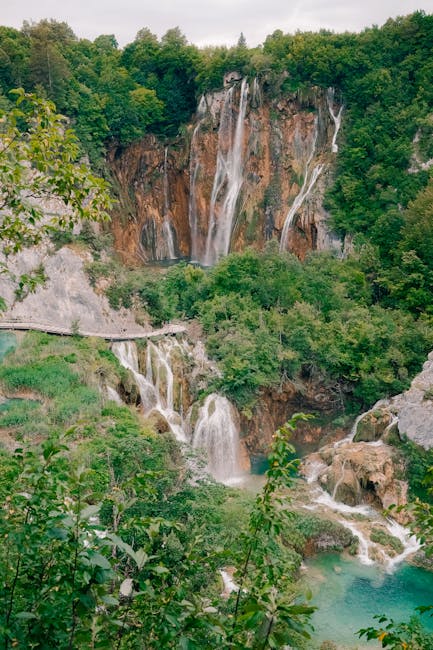
1) Self-drive — maximum freedom, a bit more logistics to manage
The perks:
- Schedule and route flexibility: When you have a car, you choose your arrival time (great for being at the park at opening), your visit length and the direction of the loop. The park’s main address is Plitvička Jezera, 53231 Plitvička Jezera, Croatia. The two main entrances are Entrance 1 (Ulaz 1) and Entrance 2 (Ulaz 2). Use your GPS to pick the entrance closest to your accommodation. Parking is located near both entrances: Parking Ulaz 1 and Parking Ulaz 2.
- Potential cost savings: If you’re traveling with others, splitting car rental, fuel and parking can be cheaper than paying per-person for an organized tour. Parking usually costs around €5–8 per day depending on season and lot.
- Easily combine with other stops (like Rastoke or other spots in the Lika region), or leave very early/late to fit more into your day.
Downsides and things to watch for:
- Traffic and parking in high season: Between June and August lots fill fast — getting there before opening (often 07:00–08:00 depending on the season) is recommended. The park opens early in summer (sometimes as early as 07:00) and closes later in the evening (hours vary, often around 20:00 at peak). Check official park times before you go.
- Tickets and queues: Even with a car it’s strongly advised to buy tickets online for a timed entry. Adult tickets range from about €10 (off-season) to €40–45 in high season (indicative rates that change yearly). Without a reservation you may face long ticket lines or be denied entry during peak slots.
- You need a basic plan for the park: To make the most of your freedom, prepare an itinerary (the park’s suggested routes A, B, C, etc.). Otherwise you can waste time or miss highlights. Signs exist but key spots can be crowded.
Practical tips:
- Arrive at least 30 minutes before opening if you want to avoid crowds and catch the best light for photos.
- Park closest to the entrance that matches your route: Ulaz 1 gives quicker access to Veliki Slap (the highest waterfall); Ulaz 2 is the better starting point for the lower lakes. Parking is marked on local signage and the park’s official map.
- Allow 4–6 hours for an efficient self-guided visit if you plan to do the main loop including the Kozjak boat transfer and internal shuttle bus.
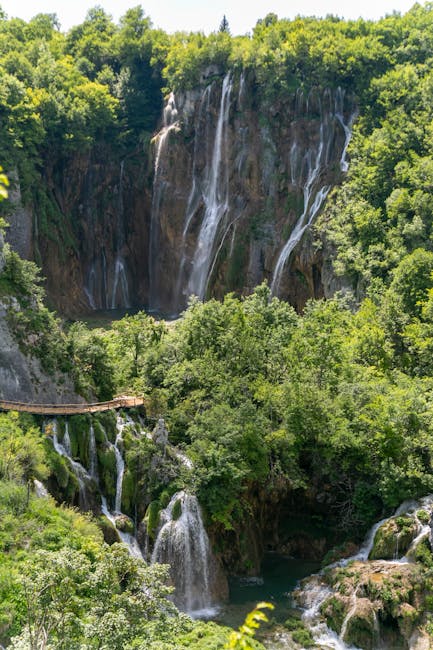
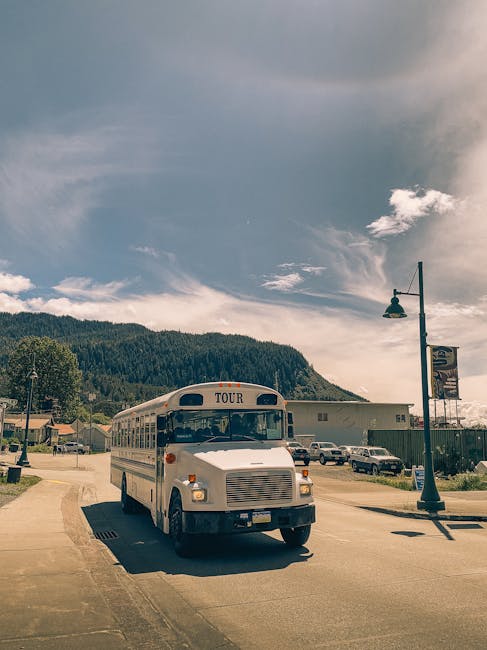
2) Organized day trips from Zagreb, Zadar or Split — comfort and logistics handled for you
The perks:
- Everything’s planned: hotel pickup, air-conditioned bus transfer, a group guide and often entrance tickets are included. That removes the hassle of finding parking, buying tickets or managing the route. Day trips from Zagreb (about 2–2.5 hours), Zadar (1.5–2 hours) or Split (2.5–3 hours) are very common.
- Good value for solo travelers: If you’re traveling alone, a day trip can be cheaper than renting a car or arranging private transport — costs are shared across participants.
- Guides add context: Group guides explain natural history, travertine geology, local wildlife and conservation rules, which enriches the visit without extra effort on your part.
Downsides:
- Less flexibility: Tours run on fixed schedules (early departures, late returns). You’re tied to the group’s plan and often have just 4–5 effective hours in the park.
- Crowds and group pace: Groups can be large (20–50 people) moving together, which reduces quiet moments and the chance to linger at photo spots. If you want people-free shots this option is less ideal.
- Limited customization: You can’t pick a different route on the fly or extend your stay in a section you love.
Typical prices and schedules:
- Daily trip price from Zagreb: generally €60–120 per person depending on what’s included (transport, guide, entrance). Some packages include only transport and guiding and charge extra for the park ticket (€10–45 depending on season).
- Common departure times: 06:00–07:30 from Zagreb, returning around 18:00–20:00. From Zadar or Split departures typically start between 07:00 and 08:30 with returns between 17:00 and 20:00.
Local tips:
- Pick operators who include the park ticket to skip the ticket line; ask about maximum group size before booking.
- Opt for the earliest departures to experience the park outside of peak flows. Tours that include a lunch stop in a local village (Rastoke or somewhere in the Lika region) add a nice local touch.
- Check cancellation policies for bad weather — some tours shorten park time in heavy rain.
3) Private guided tours — deep immersion, higher cost
The perks:
- Tailored experience: A private guide (in English or other languages) will shape the route around your interests (photography, botany, birdwatching, history). It’s the best choice if you want in-depth explanations about travertine formation, lake development and endemic biodiversity.
- Schedule flexibility: You can start at opening, linger after most groups leave, and set the pace — perfect for dawn or dusk photo sessions.
- Local insider tips: A guide will point out the best viewpoints, framing techniques for Veliki Slap (the Big Waterfall) and quieter trails.
Downsides:
- Cost: A private half-day tour often starts around €120–200 and can climb to €300–500+ depending on language, duration and guide expertise. Park tickets (€10–45 depending on season) are extra.
- Availability: High-quality guides are in demand in peak season; you should book weeks in advance to secure your preferred slot.
- Less independence: Even customized tours follow the guide’s schedule — agree a shared plan to avoid downtime.
Practical tips:
- Check the guide’s credentials: qualifications, languages, and client reviews. Ask for a detailed itinerary (key stops, time on site, planned breaks).
- Negotiate whether the tour includes entrance tickets and transfers from your lodging. Some guides offer pickup from Zagreb or Zadar at an additional fee.
- Photographers should ask the guide about ideal light windows and less-crowded viewpoints — sometimes that means starting on a less conventional route.
4) Multi-day hikes and staying nearby — active immersion with overnight options
The perks:
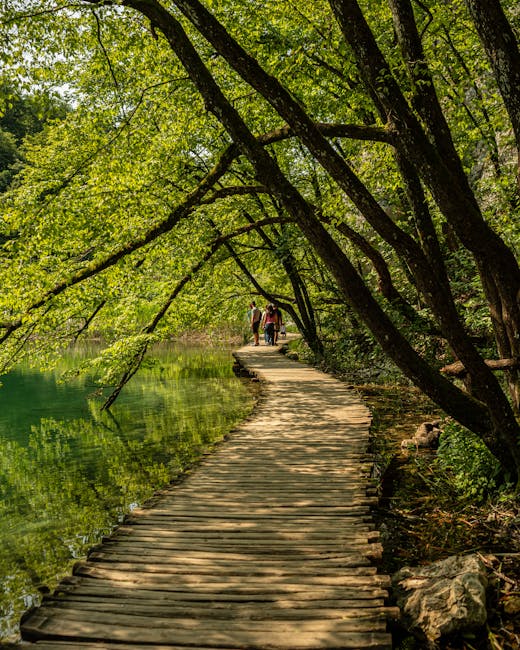
- Close-to-nature experience: Choosing to hike (the park has several marked routes: A, B, C, H, K according to its signage) offers a full immersion. Routes range from short walks (1–2 hours) to long day hikes (6–8 hours) that explore the upper and lower lakes, falls and viewpoints.
- Stay right by the park: Overnighting in local guesthouses or small hotels (e.g. in Plitvička Jezera village) lets you be on site early or late, avoid peak crowds and enjoy golden hour light.
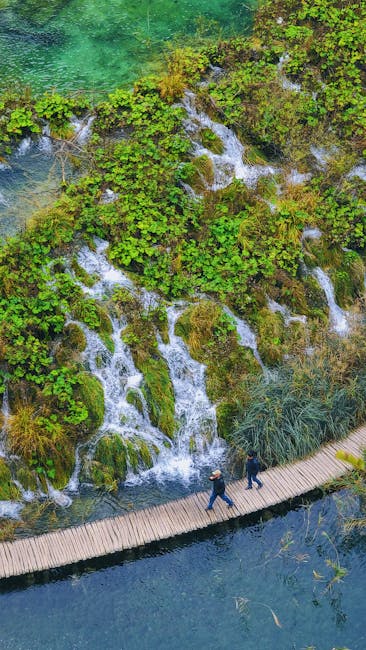
- Physical activity rewarded by views: For hikers the park offers varied terrain (forest trails, moderate elevation changes, wet boardwalks), perfect for combining effort and scenery.
Downsides:
- Physical demands and gear: Trails can be wet and slippery. Good hiking boots, poles if needed, and rain protection are essential. Some sections close in winter.
- Time and planning: A full hike needs several hours or an overnight nearby to fully enjoy it. Some parts of the park are confined to official routes — follow conservation rules.
- Camping inside the park: Wild camping is strictly prohibited in Plitvice Lakes National Park. If you want to camp, use nearby official campsites such as Autocamp Korana (in the Plitvička Jezera area) or other listed campgrounds on tourist maps.
Local tips:
- Choose the route to match your fitness: circuits B and C cover most highlights in 3–5 hours; route H is more extensive for experienced hikers (6–7 hours).
- Respect boat and shuttle timetables (e.g. the electric boat on Lake Kozjak usually operates between 08:00 and 18:00 in summer) when planning your return if you intend to cross the lake.
- Book accommodation early for high season. Options range from family-run B&Bs to small hotels like Hotel Jezero (located at or near the park depending on availability) — check addresses and availability online.
5) Water and panoramic options — electric boat, shuttles and viewpoints
The perks:
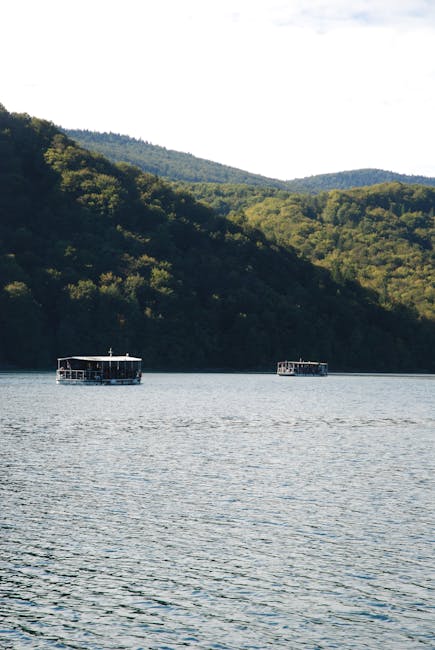
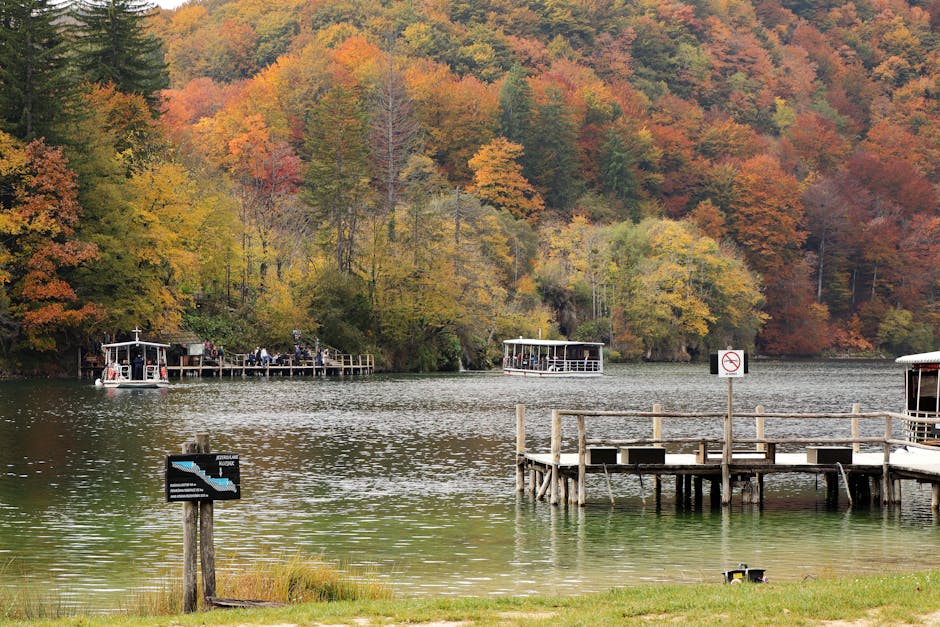
- A unique perspective from the water: Lake Kozjak, the largest lake, is crossed by the park’s official electric boat. The ride shortens walking distances between upper and lower sectors and offers peaceful views from the center of the lake.
- Rest between sections: The boat and internal shuttle buses let you take a breather without leaving the park experience. Shuttles often connect areas near the entrances and run frequently in summer.
- Good for families and visitors with reduced mobility: Combining boat and shuttle use makes the visit more accessible and reduces long walks between key spots.
Downsides:
- Reliance on schedules: Boats and shuttles run at fixed times (e.g. Kozjak boat typically 08:00–18:00 in summer with varying frequency). Miss a departure and you may wait for the next one or walk longer routes.
- Included or extra costs: In many official circuits the boat crossing is part of the day ticket, but some private tours or specific tickets may charge it separately. Check your ticket — some short-route tickets don’t include the crossing.
- Less walking immersion: If you love hiking and want to cover every trail on foot, relying too much on boats and minibuses reduces direct contact with the park’s trails and landscape variety.
Practical details and tips:
- Indicative Kozjak boat hours: roughly 08:00–18:00 in summer, with departures every 20–40 minutes depending on demand. In low season timetables and frequency are reduced. Landing buoys are shown clearly on the park map.
- Cost: usually included in the entrance ticket; if not included expect around €3–6 for the transfer (indicative rates that vary by season and park policy).
- Photo best-practices: take the crossing between 09:00–11:00 or after 16:00 outside the busiest times for calmer reflections and fewer passengers on board.
- Panoramic spots: Veliki Slap (the Big Waterfall), the viewpoint near Ulaz 1 and the overlooks above the upper lakes provide the most dramatic perspectives. Locate these on the official map as soon as you arrive.
Conclusion — Which option suits your profile?
Choosing between self-drive, an organized excursion, a private guide, multi-day hiking or water-based exploration mostly hinges on your priorities. Do you want maximum freedom and time efficiency (self-drive)? Prefer hassle-free logistics and general explanations (organized day trip)? Crave deep immersion, local knowledge and optimized photo time (private guide)? Or would you rather be active, avoid crowds and stay overnight nearby (multi-day hiking)? Finally, boats and shuttles are ideal for reducing walking while enjoying lake views.
A practical summary:
- If you’re traveling as a couple or family and want control over your schedule while keeping costs reasonable, self-driving is often best — buy tickets online and arrive early to avoid crowded parking and boardwalks.
- If you’re solo, don’t want much physical effort and want a turnkey solution, organized day trips from Zagreb, Zadar or Split are a great compromise — just check whether the entrance ticket is included.
- If you want a detailed, personalized experience without wasting time, a private guided tour is worth the investment — book early, especially in high season.
- If you’re a hiker or nature lover who wants to dodge the crowds, plan at least one night in Plitvička Jezera, pick a longer route and follow park rules (no wild camping, stay on the trails).
- And finally, electric boat crossings and internal shuttles improve accessibility and give unique lake perspectives — include them in your route to vary your viewing angles.
Whatever you choose, don’t forget the essentials: proper shoes, water, sun protection and waterproofs, buy tickets in advance in high season, and strictly follow park rules (don’t feed wildlife, stay on the paths, no swimming). The Plitvice Lakes are fragile — your behavior helps protect them for future generations. Safe travels and enjoy every reflection on the water — the natural show is worth the planning!