





Introduction
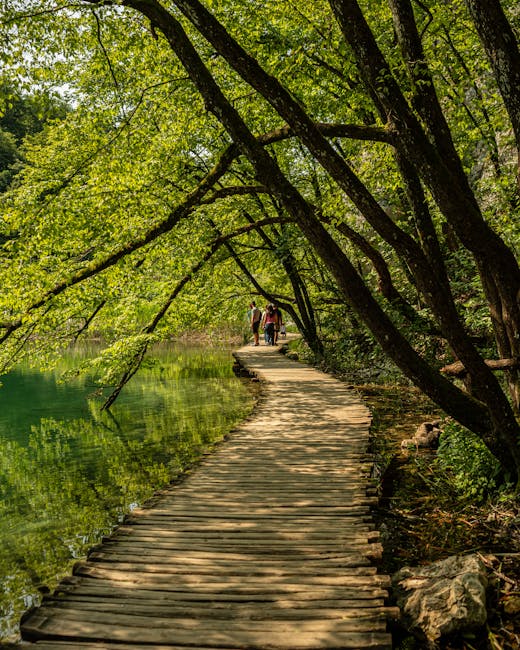
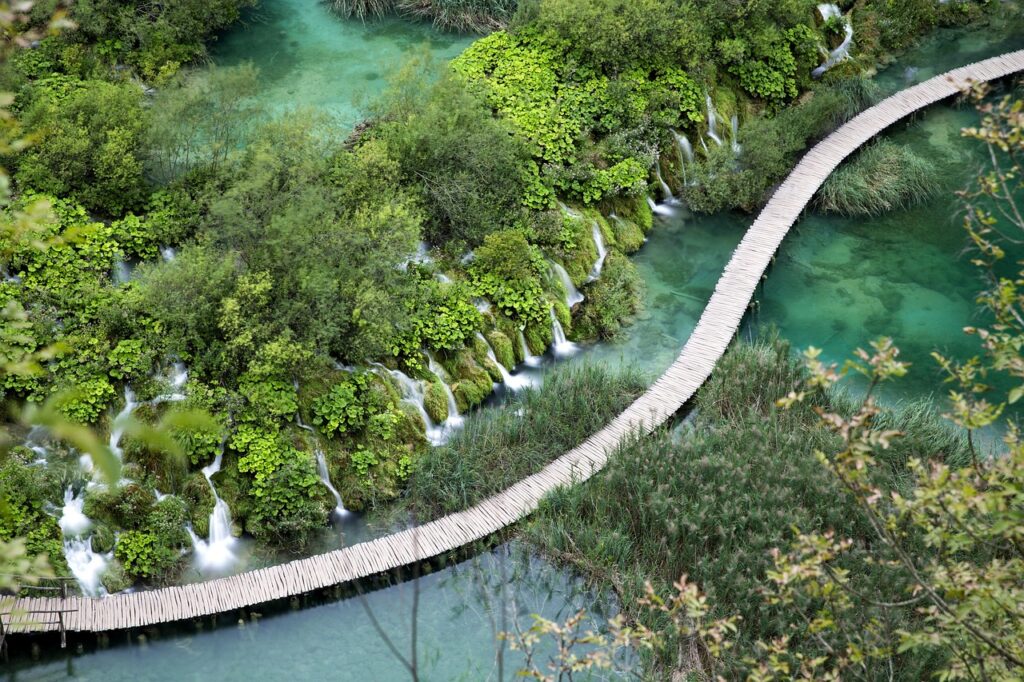
Planning a low-carbon trip to the Plitvice Lakes (Plitvička Jezera National Park) takes more than just booking a ticket: it means coordinating transport, accommodation, gear and behaviour to cut your carbon footprint while fully enjoying this UNESCO World Heritage site. The Plitvice Lakes sit in the heart of Croatia in the Plitvička Jezera municipality, featuring a unique series of 16 terraced lakes linked by waterfalls and surrounded by protected forest. Between meadows, turquoise waters and wooden boardwalks, visiting Plitvice can be both immersive and a showcase for responsible tourism.
This 5-step guide gives you a practical, hands-on approach to organising a sustainable journey from nearby cities (Zagreb, Rijeka, Split) or from abroad, prioritising public transport, carpooling, cycling where feasible, and accommodations and activities that respect the environment. I’ll outline train stations and bus terminals with exact addresses, typical timetables and price ranges in euros (seasonal estimates), park entry options (Entrance 1 / Ulaz 1 and Entrance 2 / Ulaz 2), plus local tips to optimise travel, avoid peak crowds and choose nature-friendly services.
You’ll also find concrete recommendations: which buses to take from Zagreb’s main bus terminal (Autobusni kolodvor Zagreb), how to combine train and shuttle to lower your impact, where to charge an electric vehicle if you’re driving one, and which alternatives to favour for the final kilometres to the park. Practical details include official addresses, price ranges in euros for park tickets and transport, and general opening times to help plan your day or short stay. Finally, local tips (best viewpoints, spots for a responsible picnic, times to photograph waterfalls without crowds) will help turn your journey into genuine ecotourism.
1. Pick a low-impact main route: trains, buses and carpooling
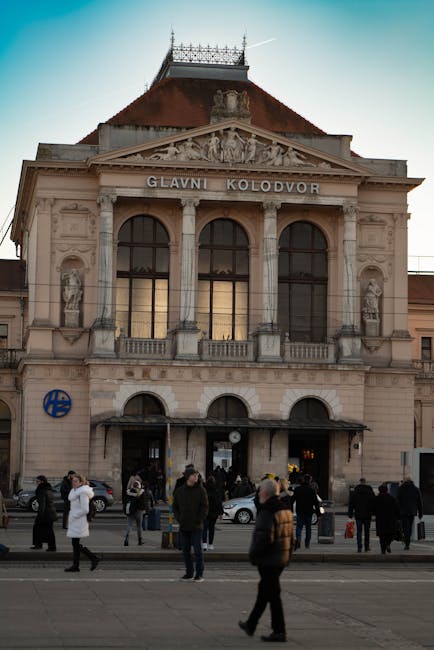
The first step for an eco-friendly trip to Plitvice is choosing a route that favours public transport. From Zagreb, a train + bus combo is one of the most sustainable options. Main train station: Zagreb Glavni kolodvor, Trg kralja Tomislava 12, 10000 Zagreb, Croatia. National trains run regularly to Karlovac (about 40–50 minutes); from Karlovac you can catch buses to Plitvička Jezera. A Zagreb → Karlovac train ticket typically costs around 4–8 EUR depending on class and booking.
For a direct bus from Zagreb, head to the main bus station: Autobusni kolodvor Zagreb, Trg Ante Starčevića 6, 10000 Zagreb, Croatia. Operators (for example Autotrans) usually run morning and mid-day departures to Plitvice: typically 07:00, 09:00, 13:00, 16:00 (times vary by season). Indicative one-way price Zagreb → Plitvička Jezera: 12–20 EUR depending on season. Book online in advance to avoid sold-out services in high season (June–August).
From the Adriatic coast (Rijeka or Zadar), favour long-distance buses over renting a private car. Rijeka bus station address: Autobusni Kolodvor Rijeka, Trg Riječke rezolucije 1, 51000 Rijeka. There are direct or Karlovac-connecting services, with fares usually between 15 and 30 EUR depending on distance. From Zadar, several services run directly to Plitvice, especially in summer.
Carpooling (Blablacar or local Facebook/Carpooling groups) is a great way to lower per-person impact while keeping schedule flexibility. Benefits: shared cost (often 10–25 EUR per person depending on pickup), fewer vehicles on the road, and a chance to get local tips from drivers. For responsible carpooling, check that the driver keeps the vehicle well maintained, avoid trips with large detours and prioritise hybrid/electric cars if available.
- Key address: Zagreb Glavni kolodvor, Trg kralja Tomislava 12, 10000 Zagreb, Croatia (train)
- Key address: Autobusni kolodvor Zagreb, Trg Ante Starčevića 6, 10000 Zagreb, Croatia (bus)
- Estimated prices: Train Zagreb→Karlovac 4–8 EUR; Bus Zagreb→Plitvička Jezera 12–20 EUR; Bus Rijeka/Zadar→Plitvice 15–30 EUR
- Local tip: aim for early departures to arrive at the park before 10:00 and avoid the crowds
2. Getting to the park: entrances, prices, opening times and eco transfer options
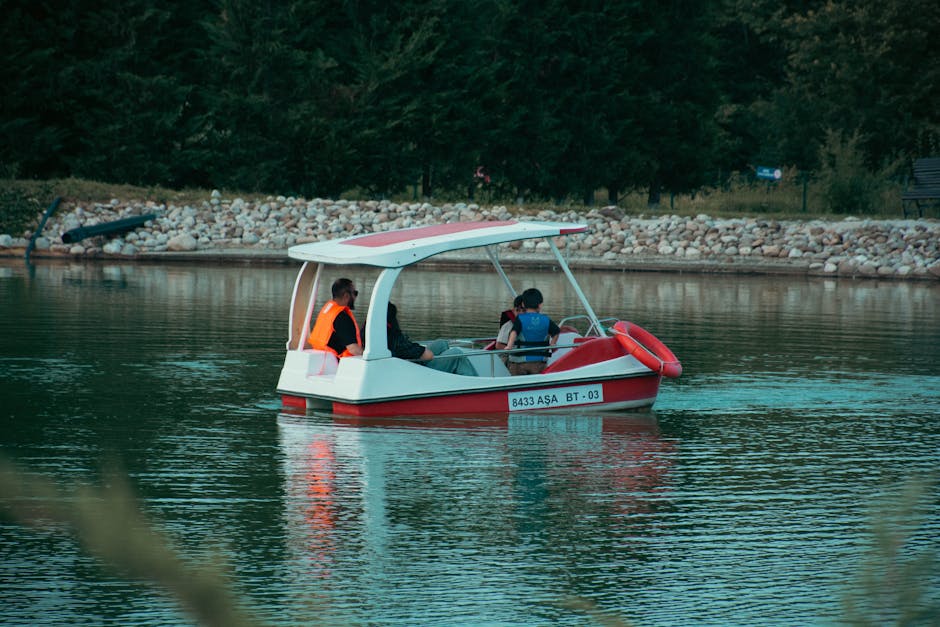
The Plitvice Lakes have two main visitor entrances: Entrance 1 (Ulaz 1) and Entrance 2 (Ulaz 2). Park address: Plitvička Jezera National Park, 53231 Plitvička Jezera, Croatia. Entrance 1 is near the village of Poljanak/Korana (often signposted as « Entrance 1 (Ulaz 1) »). Entrance 2 is closer to the southern shore of the lakes (often signposted as « Entrance 2 (Ulaz 2) »). Both gates give access to different walking routes, scenic trains and the electric boats that cross Lake Kozjak.
Entry fees (informative estimates — always check the park’s official site before you travel): low season (November–March) around 8–12 EUR/adult; shoulder season (April, October) 20–30 EUR/adult; high season (May–September) 35–50 EUR/adult. Prices may vary by entry time (late-entry discounts) and by category (youth, seniors, families). Tickets generally include the electric shuttle boats on Lake Kozjak and the park’s panoramic train.
Opening hours: the park is open every day, but hours vary by season. Typical hours: 07:00–19:00 in high season (May–September), 08:00–16:00 in low season (November–March). Ticket offices often open about 30 minutes before the official start of circuits, but plan 1 to 6 hours for a visit depending on the route you choose. Shuttles and trains run in cycles during opening hours; last departures depend on the park’s closing time.
Eco transfer options from bus stations: several local operators run shared minibuses or electric shuttles from the Plitvička Jezera bus station to the entrances (prices roughly 2–8 EUR). If you arrive by bike or e-bike, secure parking is available near the entrances; check with your accommodation about bike storage or shelters.
- Park address: Plitvička Jezera National Park, 53231 Plitvička Jezera, Croatia
- Entrances: Ulaz 1 (Entrance 1) and Ulaz 2 (Entrance 2) — signs and parking are clearly marked on site
- Indicative prices: 8–12 EUR low season, 20–30 EUR shoulder season, 35–50 EUR high season
- Typical hours: 07:00–19:00 (high season), 08:00–16:00 (low season)
3. Lower your impact during the visit: routes, gear and behaviour
Once you’re inside, your goal is to enjoy the park while keeping your footprint small. The marked routes (A, B, C, K, H, etc.) vary in length and duration: for example, the full circuit C can take 4–6 hours and covers the main viewpoints plus the electric boat across Lake Kozjak. Shorter circuits (A or K) take 1–2 hours. Choose a route that matches your fitness and time to avoid frequent off-trail rests.
Recommended kit: lightweight, grippy hiking shoes, a light waterproof jacket, a reusable water bottle (there are potable water points in some areas), a small bag for any rubbish (leave nothing behind), sun protection and trekking poles if you need extra support on slopes. Avoid using drones — they’re banned in the park to protect wildlife and preserve the visitor experience.
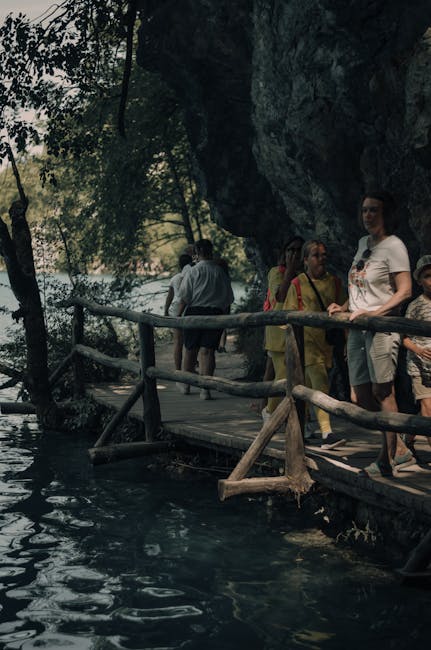
Behaviour to adopt: stay on boardwalks and marked trails to prevent bank erosion and disturbance to fragile vegetation. Don’t feed wildlife or pick plants. Shoot photos discreetly: no flash in wildlife areas, and avoid posting heavily edited locations that could encourage visits to sensitive spots (choose off-peak hours for the best photos).
Practical tips to minimise impact: arrive early (before 09:00) or later in the afternoon to reduce congestion and pressure on facilities; opt for a zero-waste picnic (food in reusable containers) and use the recycling bins in visitor areas; follow park ranger instructions. The included electric shuttles and the small ferry on Lake Kozjak are great ways to limit internal motorised movement.
- Routes: A/B/C/K/H (durations 1–6 hours) — pick one that fits your time and fitness
- Sustainable gear: reusable bottle, grippy shoes, lightweight backpack, small rubbish bag
- Rules: stay on boardwalks, drones prohibited, do not feed wildlife
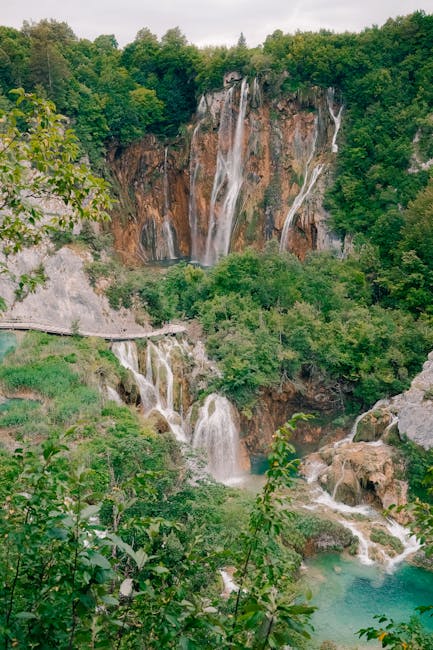
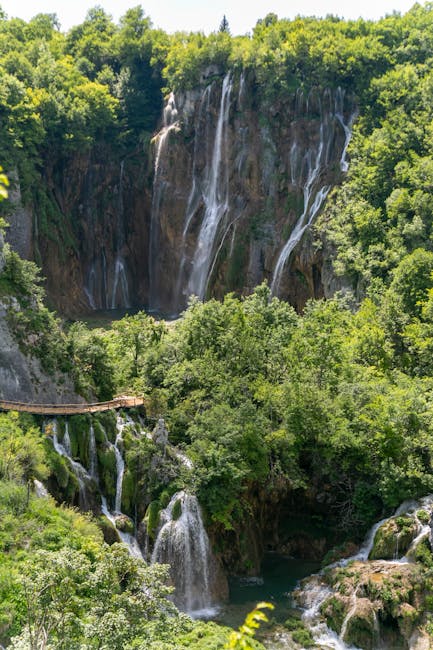
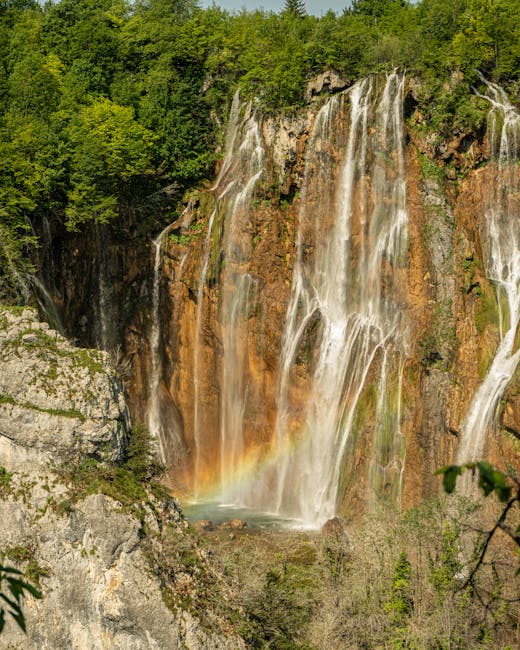
- Local tip: plan a photo stop at the « Veliki Slap » (Big Waterfall) early in the morning for shots without crowds
4. Eco-friendly accommodation and responsible local services
To extend your eco approach, choose accommodation committed to sustainable practices. Near the Plitvice Lakes, several places follow responsible policies: energy-saving measures, waste sorting, water-efficient systems and using local products. A well-known example is Hotel Jezero, address: Ul. Lička 1, 53231 Plitvička Jezera, Croatia. Hotel Jezero sits on the park’s edge and offers rooms, local food and information about trails. Indicative rates: 70–140 EUR/night depending on season and room type.
Other, often greener options are family-run guesthouses and eco-bungalows. They frequently serve breakfasts made from regional produce (local honey, cheese, homemade bread), cutting down food-transport emissions. Guesthouse prices: 40–90 EUR/night. Look for a « sustainable » label or ask directly about their green practices (waste sorting, energy use, biodegradable cleaning products).
Responsible local services: restaurants serving local produce (freshwater fish, Lika cheese, garden vegetables), shops offering low-packaging goods and certified local guides. If you need transfers or activities (guided hikes, night wildlife walks), prioritise licensed operators who limit group sizes (small groups, no motor vehicles on trails).
Accommodation tips: book ahead in high season; prefer places close to park entrances to avoid morning car trips; check whether they offer e-bike or EV charging (some hotels do). Finally, support small local businesses for supplies (the village bakery, farm shops) to boost the region’s circular economy.
- Recommended hotel: Hotel Jezero, Ul. Lička 1, 53231 Plitvička Jezera, Croatia — rates 70–140 EUR/night (estimate)
- Budget options: local guesthouses — 40–90 EUR/night
- Local tip: pick accommodation near the entrances to reduce car travel
5. Heading home, networking and best practices to extend your green impact
The final piece of your eco trip is thinking about the return and how to extend the benefits of your visit. Choose a bus or train for the return with flexible departure times to avoid driving back in a private car. From Plitvička Jezera, check bus departures to Zagreb (often morning and afternoon) at the local bus station: Plitvička Jezera Bus Station (indicative address in the village centre, check local signage). Estimated return bus cost: 12–20 EUR.
After your visit, share your experience responsibly: recommend certified local operators, mention sustainable accommodations and highlight positive practices on public platforms. That steers future visitors towards responsible choices and supports the local sustainable economy. If you used a local guide, leave constructive feedback and a reasonable tip (commonly 5–10%); this directly helps develop sustainable tourism in the area.
Networking: if you liked a guide, hotel or restaurant, ask whether they accept card or mobile payments (reduces cash handling and makes supporting local projects easier) and whether they run environmental initiatives (tree planting, waste management programs). Some local organisations accept donations for park conservation — a direct way to support Plitvice’s preservation.
Finally, reflect on your habits after the trip: adopt repeatable actions (sorting waste, cutting plastic, choosing local products) and share your practices with your community. By combining low-impact transport, responsible lodging, respectful behaviour and support for local actors, you turn a simple visit into a lasting contribution to the protection of the Plitvice Lakes for future generations.
- Return: Plitvička Jezera → Zagreb local bus 12–20 EUR; check local timetables
- Responsible sharing: leave reviews for sustainably-minded local operators
- Support: targeted donations to local conservation projects if available
- Local tip: keep local brochures to help other travellers make good choices
Conclusion
Planning a green trip to the Plitvice Lakes takes thoughtful preparation: pick low-emission transport (train, bus, carpool), choose the right entrance and arrival time, act responsibly inside the park, and support sustainable local accommodation and services. The key addresses (Zagreb Glavni kolodvor, Autobusni kolodvor Zagreb, Plitvička Jezera National Park) and the price ranges in this guide help you budget and map your route. Remember that entry fees (roughly 8–50 EUR depending on season) and opening times change — always check the park’s official site and transport operators for the latest info.
Beyond numbers and addresses, the main goal is preserving the fragile beauty of the Plitvice Lakes. Simple actions — arriving early, staying on boardwalks, using a reusable bottle, choosing routes suited to your level — form the foundation of a sustainable visit. By favouring accommodations and services that use local products and limit environmental impact, you directly support the ecological and economic resilience of the Lika region.
Finally, turn your experience into a shared resource: recommend responsible providers, flag up best practices, and keep applying these principles on future trips. Sustainable tourism is a collective effort — every well-planned journey helps reduce carbon footprints and ensures future generations can still marvel at the waterfalls, turquoise lakes and ancient forests of the Plitvice Lakes. Have a responsible, eco-friendly trip and fully enjoy this natural gem.