





Introduction — Why Choose Sustainable Ways to Get to Plitvice Lakes
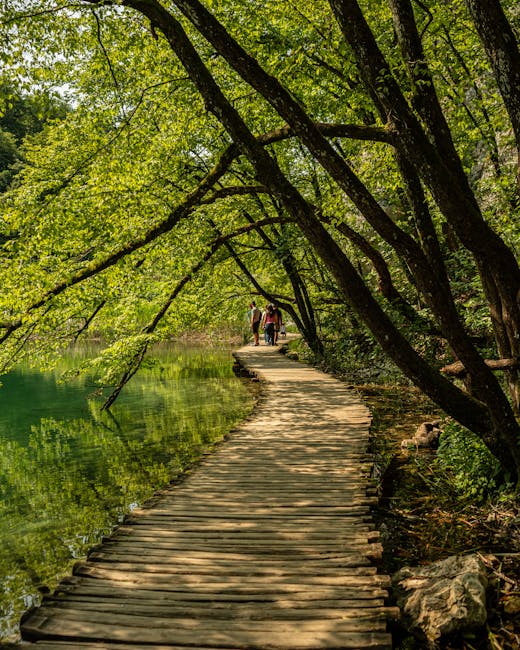
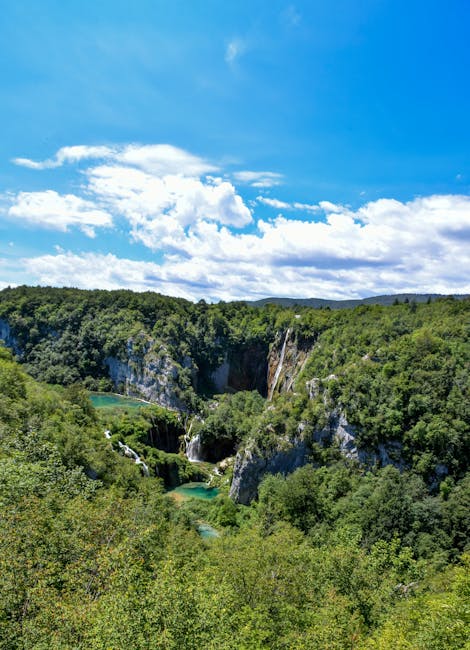
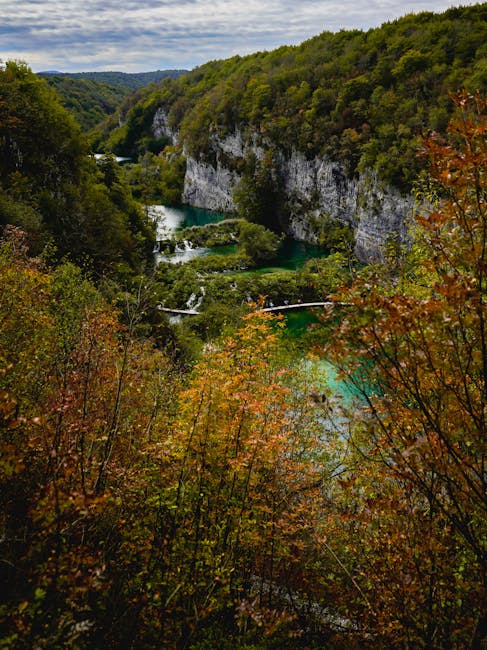
The Plitvice Lakes, officially Plitvička Jezera National Park, are one of Croatia’s natural crown jewels and a UNESCO World Heritage site. Located in the municipality of Plitvička Jezera (53231 Plitvička Jezera, Croatia), the park draws hundreds of thousands of visitors each year. With that many people arriving, mobility and sustainability become critical: cutting emissions, easing road congestion, and protecting trails and crystal-clear waters are key to ensuring a long-lasting, authentic experience.
Opting for trains and carpooling as you travel to Plitvice Lakes is a solid alternative to driving your own car. Trains lower the per-passenger carbon footprint, make travel less stressful, and often link up with local buses for the final stretch. Carpooling — whether via platforms like BlaBlaCar or local initiatives — splits costs, reduces the number of vehicles on the winding roads up to the park, and creates opportunities to connect with locals and fellow travelers.
This guide focuses on practical, sustainable options to reach Plitvička Jezera by train and carpooling, with exact addresses, typical schedules, prices in euros, local tips, and alternatives if you’re traveling with bikes or large luggage. You’ll find information for departures from major Croatian hubs (Zagreb, Zadar, Split) and recommendations for planning combined journeys (train + bus or train + carpool) to the park gates. Timetables and fares vary by season (peak tourist season: June–August; winter changes apply), but the estimates below will give you a reliable base to plan a responsible and enjoyable trip.
Before diving into practical details, note two key park addresses: Plitvička Jezera National Park, Entrance 1 (Korana) — Plitvička Jezera, 53231 Plitvička Jezera, Croatia; and Plitvička Jezera National Park, Entrance 2 (Novo Selo) — Plitvička Jezera, 53231 Plitvička Jezera, Croatia. Entrance fees apply and vary by season (see the section on opening times and ticket prices). For sustainable mobility, always plan your final leg from a train station or an official carpool pickup point, and aim for morning departures to make the most of shuttle and connection frequencies.
1) Using the Train as the Backbone of Your Trip (Zagreb, Karlovac, Rijeka)
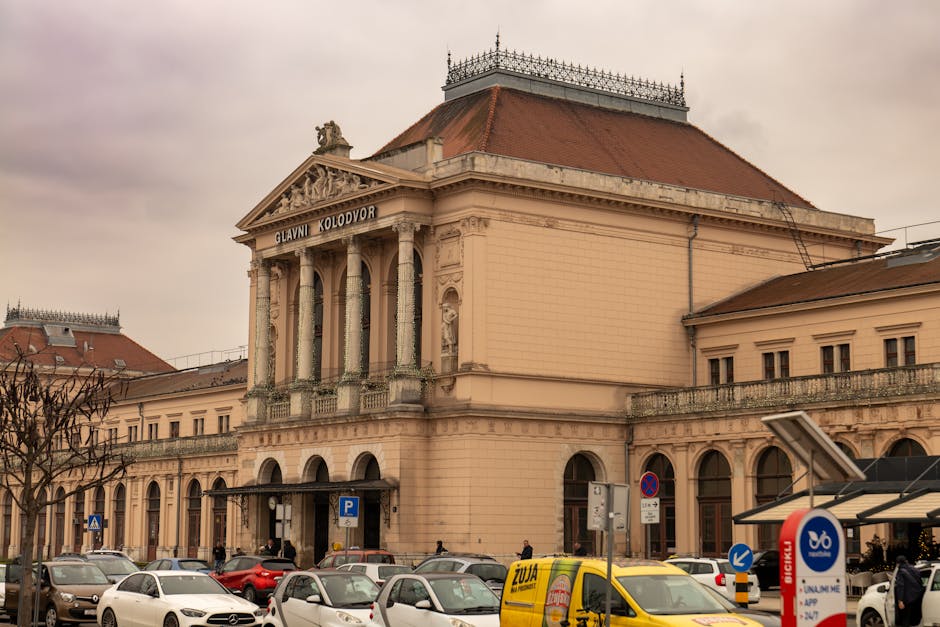
The train is an excellent choice for the first part of the journey to Plitvička Jezera, especially if you’re starting from Zagreb or other Croatian cities. The main rail hub for international travelers is Zagreb Glavni Kolodvor (Zagreb Central Station), address: Trg Franje Tuđmana 6, 10000 Zagreb, Croatia. Regional and national trains depart regularly from this station.
Recommended route: Zagreb → Karlovac → transfer by bus/carpool to Plitvička Jezera. The Zagreb–Karlovac connection is well served by regional trains (HŽ Putnički promet). Typical frequency: regional trains every 30–60 minutes from around 05:00 to 23:00, depending on season. Approximate duration: 40–60 minutes. Estimated price: €5–7 in second class (prices vary; buy at the station or online at hzpp.hr). Karlovac station address: Karlovac kolodvor, Kolodvorska ul. 1, 47000 Karlovac, Croatia.
From Karlovac you have several options:
- Direct bus Karlovac → Plitvička Jezera: local carriers (e.g., FlixBus or Autotrans) run 2–4 departures per day in high season. Approximate travel time: 1h30–2h. Price: around €10–18 depending on operator and how far in advance you book.
- Carpool from the station: check platforms like BlaBlaCar or local noticeboards. Indicative price: €10–20 per passenger from Karlovac, depending on the driver and vehicle.
- Shared transfers or shuttle services: GoOpti offers shared transfers from Zagreb and Karlovac to Plitvice (prices €20–40 per person depending on service).
Alternative rail options: if you’re coming from Rijeka (Rijeka Glavni Kolodvor, Trg Riječke rezolucije 1, 51000 Rijeka), you can connect to Karlovac by train and then take a bus to Plitvice. From Split, direct rail travel north isn’t very practical — it’s usually better to take a bus or combine a train to Knin and then a bus (this is longer and less convenient). From Zagreb, the train + bus combo is the most reliable and most sustainable.
Practical tips: buy train tickets early to get the best fares; leave 10–15 minutes buffer to change platforms; if you’re bringing a bike, check in advance — some regional trains allow bikes for a small fee (€2–4), but space isn’t guaranteed during peak times.
2) Organized Carpooling (BlaBlaCar, Local Groups, Meeting Points) — Cheap and Social
Carpooling is a practical, sustainable answer when the train doesn’t get you directly to the park. In Croatia, the most used platform is BlaBlaCar (https://www.blablacar.com), which connects drivers with passengers. There are also local Facebook groups (e.g., « Croatia Carpooling/Plitvice rideshare ») and carpool boards at some stations and parking areas. Carpooling splits costs, reduces vehicle numbers on narrow mountain roads, and offers a social experience — a great way to get live local tips.
Practical meeting points:
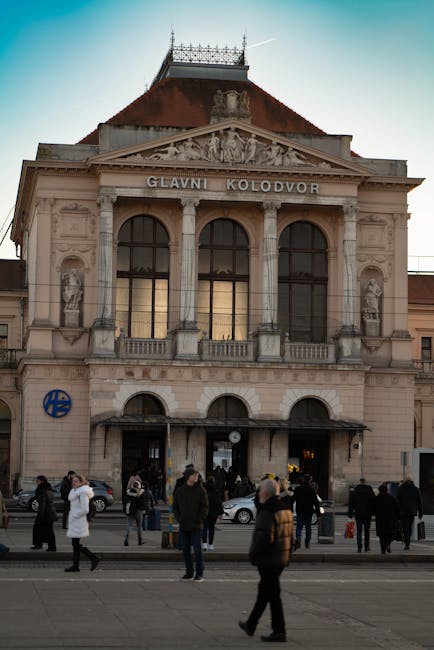
- Zagreb Glavni Kolodvor – Trg Franje Tuđmana 6, 10000 Zagreb. Riders often meet in the parking area by the main entrance or in front of the station café.
- Karlovac Train Station – Kolodvorska ul. 1, 47000 Karlovac. Central and easily accessible, commonly used for southbound departures.
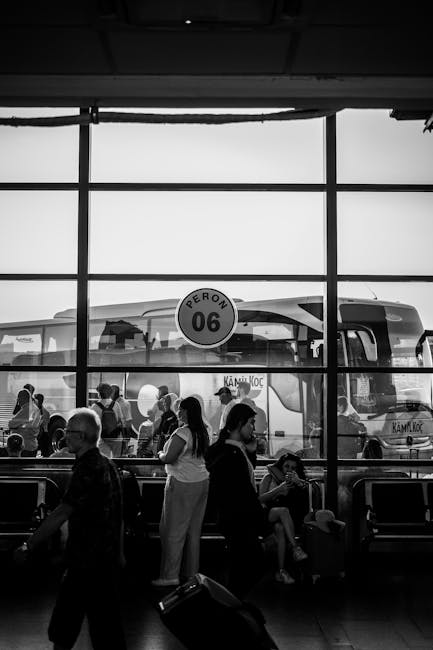
- Plitvička Jezera Bus Station – Address: Bus Station Plitvička Jezera, 53231 Plitvička Jezera. Handy for grouping up and covering the last mile if needed.
Prices and cost sharing: a carpool seat from Zagreb to Plitvička Jezera typically ranges between €15 and €30 per passenger, depending on season, number of passengers, and driver policy. Shorter trips (Karlovac → Plitvice) are around €10–20. Prices are usually posted in advance on the platform; choose drivers with good reviews and high response rates when possible.
Timing and frequency: trips are scheduled by drivers — the 05:30–10:00 window is popular for getting into Plitvice in the morning (to beat park crowds). Evening returns often run between 16:00 and 19:00. Always confirm the exact pickup time 24 hours ahead and allow 15–30 minutes flexibility.
Safety and best practices: read driver reviews, confirm baggage allowances, agree on an exact pickup spot, and verify the share of costs (platforms often calculate a fair contribution). If you’re being eco-conscious, prioritize hybrid or electric cars when available and bring a reusable bag for snacks and supplies.
3) Practical Combos: Train + Carpool, Train + Bus, and Shared Transport
Combining train + carpool or train + bus often gives the best balance: the comfort and low carbon footprint of the train for the main leg, plus the flexibility and coverage of carpool or bus for the final stretch. Here are sample routes by departure point.
From Zagreb:
- Option A (train + bus): Take a regional train from Zagreb Glavni Kolodvor (Trg Franje Tuđmana 6) to Karlovac (40–60 min, €5–7). From Karlovac, take the direct bus Karlovac → Plitvička Jezera (1h30–2h, €10–18). Ideal if you don’t have a car.
- Option B (train + carpool): Same train to Karlovac or to a convenient stop (e.g., Duga Resa). From the station, join a BlaBlaCar driver for the final leg (€10–20). This can offer greater schedule flexibility and sometimes be quicker.
From Zadar:
- Option A (direct bus — quicker than the train): Zadar Bus Station (Kolodvor Zadar, Put Dikla 1, 23000 Zadar) runs direct buses to Plitvička Jezera (1h45–2h15, €8–15). Train travel isn’t the most convenient from Zadar.
- Option B (train + carpool): If you prefer the train, travel to Knin (Knin railway station, 22300 Knin), then carpool or take a bus to Plitvice (travel time varies, ~1h30–2h).
From Split:
- Option A (direct bus): Split Bus Station (Autobusni Kolodvor Split, Ulica Dr. Franje Tuđmana 7, 21000 Split) operates day and night buses to Plitvice (3–4h, €20–30). Again, the bus is often simpler than the train.
- Option B (train + carpool): Take the train to Knin, then carpool. It’s possible but more time-consuming.
Small logistical tips:
- Book long connections (buses or shared transfers) in advance during high season; FlixBus and Croatian operators (Arriva, Autotrans) sell tickets online in euros.
- If you mix train and carpool, allow a 30–60 minute buffer for connections, especially with luggage.
- Have fallback options in case of cancellations (e.g., store a local taxi number: Taxi Plitvice, +385 53 751 111 — indicative price €30–60 from nearby villages).
4) Practical Info, Entrance Fees, Parking and Local Tips for a Sustainable Visit
Arriving sustainably also means following local rules and knowing the costs so you’re not surprised. Here are useful details on park entry, parking, and local sustainable recommendations.
Park entrance tickets (Plitvička Jezera National Park) — seasonal notes:
- Main ticket offices: Entrance 1 (Korana) & Entrance 2 (Novo Selo), Plitvička Jezera, 53231 Plitvička Jezera, Croatia.
- Indicative prices (2026, subject to seasonal change — check the official site plitvice.hr before you go):
- High season (15 June–15 September): adult ~ €35–45; discounts for students and seniors ~ €22–30; children 7–18 years €15–22; children under 7 free.
- Shoulder season (April–May, October): adult ~ €15–25; discounts apply.
- Low season (November–March): adult ~ €8–14 depending on availability and route.
Parking:
- Official parking at Plitvička Jezera Entrance 1 (Korana) — large lot at the entrance. Indicative fee: €7–10 per day for a car; buses €15–25 (seasonal rates).
- Parking Entrance 2 (Novo Selo) — similar capacity and fees. Reference address: Plitvička Jezera Parking, 53231 Plitvička Jezera.
- If you arrive by carpool and leave a vehicle for the day, use the official parking areas (they’re safer and signposted) and avoid parking on side roads or private property.
Park rules and sustainable advice:
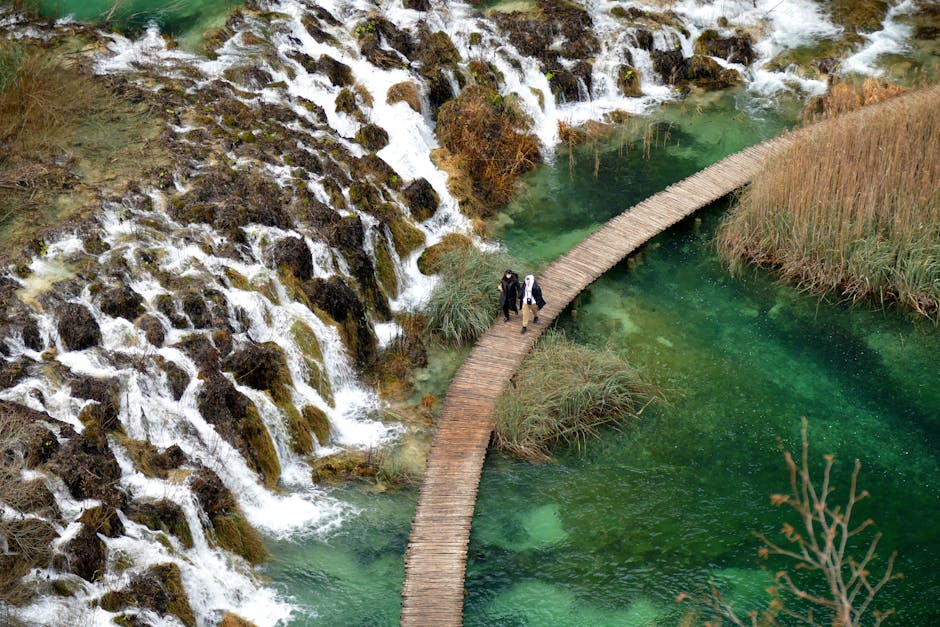
- Stick to marked trails: going off-path damages fragile vegetation and the travertine formations.
- Bring water and snacks in reusable containers; there are refreshment points but they can get crowded in high season.
- Do not swim in the lakes: it’s prohibited to protect the ecosystem. The crystal-clear waters are legally protected.
- Use the park’s electric shuttles and electric boats where available: these are sometimes included in the ticket or available for a modest extra fee (check at the ticket office). They help minimize impact on trails and wildlife.
- If you arrive by train + bike, note that cycling is not allowed on the main park trails; leave bikes in authorized storage areas near the parking lots.
Local practical tips:
- Arrive early in the morning (or late afternoon) to avoid crowds and benefit from softer light for photos.
- If you use carpooling, let the driver know your plans (early arrival, long hike, late return) so a pickup can be arranged for your return.
- For overnight stays, consider lodging in the nearby village of Plitvička Jezera (Address: Hotel Jezero, Plitvička Jezera 33, 53231 Plitvička Jezera) — hotels and guesthouses often offer transfers from stations and bus stops.
Conclusion — Pick the Sustainable Route That Fits Your Trip
Getting to Plitvice Lakes sustainably means combining practicality, local intel, and environmental respect. The train remains the cleanest backbone for the first leg, especially from Zagreb (Zagreb Glavni Kolodvor, Trg Franje Tuđmana 6, 10000 Zagreb) to Karlovac (Kolodvorska ul. 1, 47000 Karlovac). From there, a local bus or an organized carpool (BlaBlaCar or local groups) will take you the rest of the way to Plitvička Jezera (Entrances 1 & 2, 53231 Plitvička Jezera). Total transport costs for a sustainable trip from Zagreb typically range between €15 and €40 per person (train + bus/carpool), plus the park entrance fee (varies: €8–45 depending on season).
Follow a few best practices for a smooth, responsible trip: book train and transfer tickets in advance during high season; check local timetables the day before; choose shared options when possible; and strictly respect park rules (stay on trails, don’t swim, manage waste). Consider travel insurance if you plan long hikes or late transfers. Finally, stay flexible: outside peak times, carpooling often offers attractive prices and a chance to meet locals who can enrich your visit.
In short, the best sustainable option depends on your starting point, budget, and how much you value social flexibility (carpooling) versus planned comfort (train + bus/shared transfer). Combining train and carpooling minimizes your carbon footprint, reduces congestion around the park, and often leads to a more authentic experience. Have a great trip — and remember that every choice you make today helps protect the fragile beauty of Plitvice Lakes for future generations.