





[AGAINST THE FLOW] Why You Should Skip the Plitvice Tour Shuttle (and What to Take Instead)
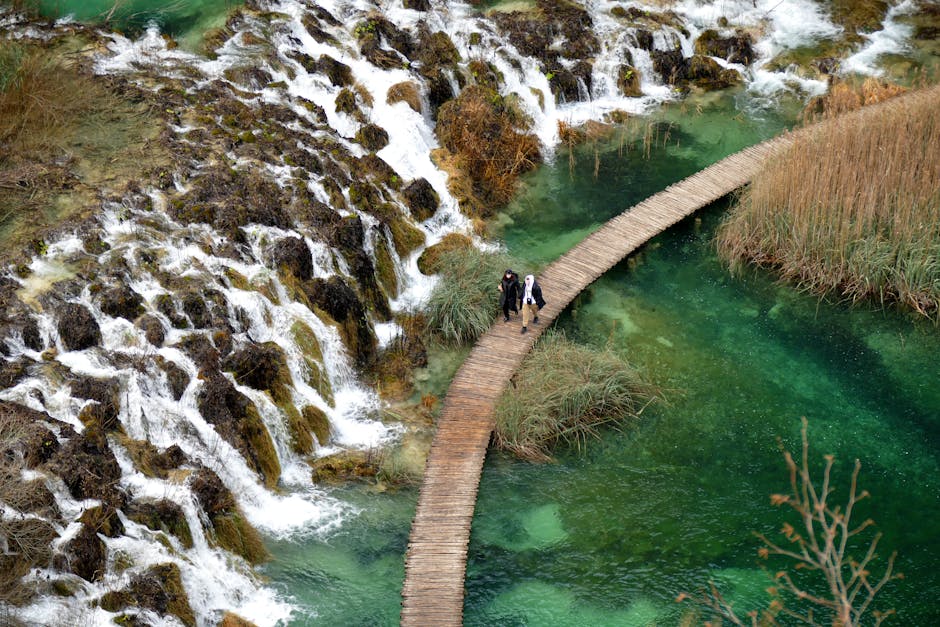
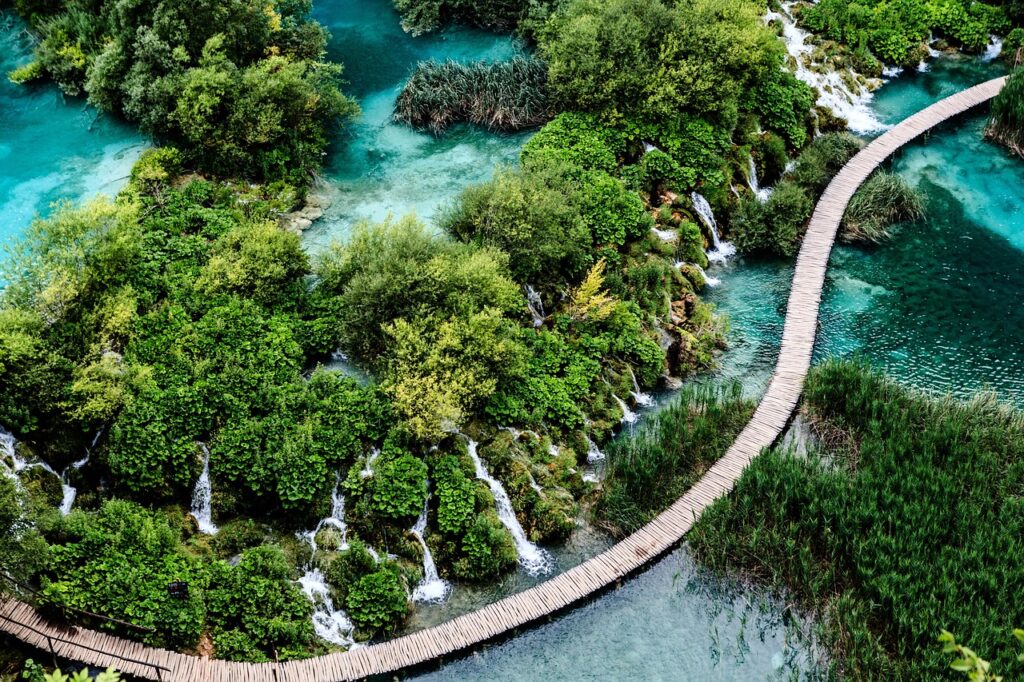
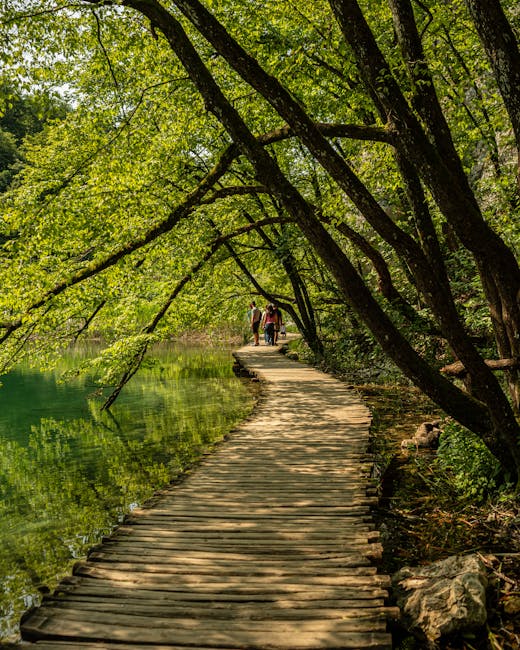
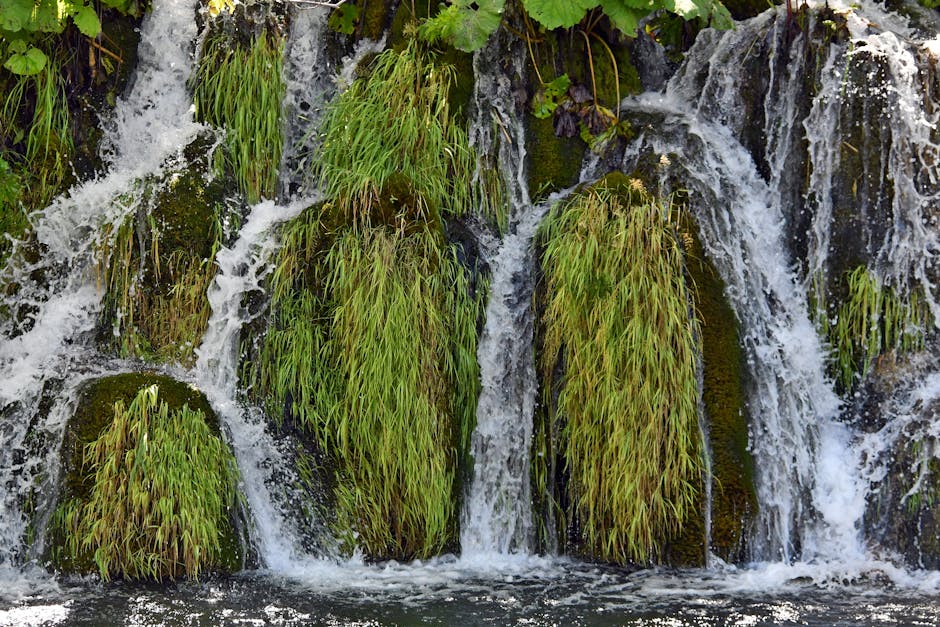
Introduction — Plitvice, or more precisely the Plitvice Lakes National Park (Plitvička Jezera), is one of those places that etches a single image into most people’s minds: cascading waterfalls, wooden boardwalks and emerald waters. The result? A whole industry has sprung up to serve a fast, standardized visitor experience: all‑inclusive shuttles, day trips from Zagreb, Zadar or Split, and grouped transfers that promise simplicity and time saved. But simplicity comes with a cost that isn’t always obvious: fixed departure times, limited time inside the park, rigid routes, and an experience tuned for group selfies rather than silence and contemplation. This piece takes the opposite view: it honestly explains why the tour shuttle, convenient as it may be, is often a poor choice if you actually want to feel Plitvice rather than tick a box. It also offers concrete, practical alternatives that respect the place, your time and your curiosity.
The goal here isn’t to attack tour companies — they do a service for a lot of people — but to lay out, with facts and tips, why the shuttle can be overrated and how to replace it with options that are often more authentic, cheaper and far more satisfying. You’ll learn when a shuttle might still make sense, and, more importantly, which alternatives to choose depending on where you’re coming from (Zagreb, Zadar, Split): regular bus + a walk, arriving in a rental car with the right parking choice, or an itinerary that avoids the two main entrances at peak times.
Finally, you’ll find precise alternatives — exact stop names, addresses, price ranges in euros, typical schedules and practical tips to dodge common traps (when to buy park tickets, where to leave your bags, how to time your visit for morning or evening light). This is not an anti‑tourism rant: it’s a pragmatic, contrarian guide written so your Plitvice visit stays a moment of wonder, not a group chore.
1) Why the Tour Shuttle Is Often Overrated
The assumption behind many shuttle bookings is simple: “it’s easier, everything’s organized.” But commercial simplicity says nothing about the quality of the experience. Shared shuttles to Plitvice bring three major limitations:
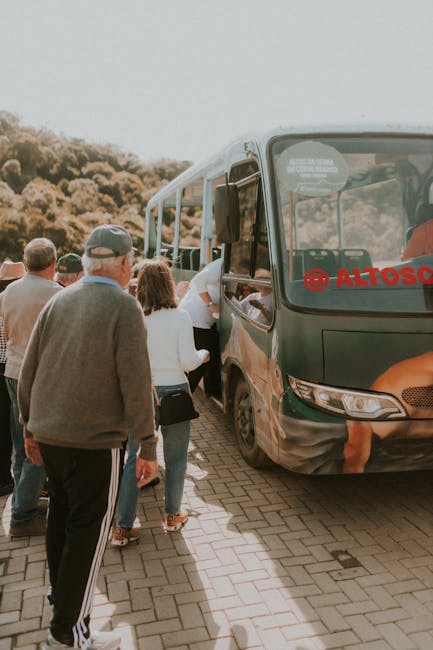
- Fixed schedules: you’re stuck in time windows. Shuttles leave the city early, give you 4 to 6 hours before you have to get back on the bus — enough to see the main highlights, not enough to hike, sit on a rock and read, or change plans if the weather shifts.
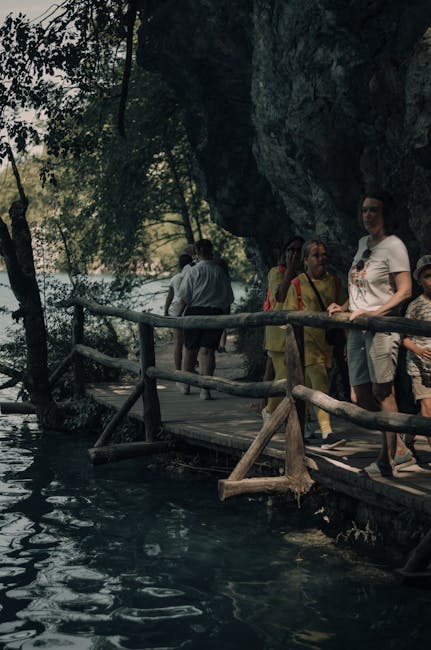
- Flows and crowds: those shuttles drop people off and pick them up at the same spot — usually Entrance 1 or Entrance 2 — at the times when everyone arrives. The result: queues, buses, full car parks and rushed photos with no peace or breathing room.
- Environmental and social footprint: a bus for 20 people can seem efficient, but the cumulative effect of daily excursions from multiple cities puts heavy pressure on a fragile park. Local businesses (cafés, independent guides, nearby villages) get bypassed in favor of a photo‑centric consumer model.
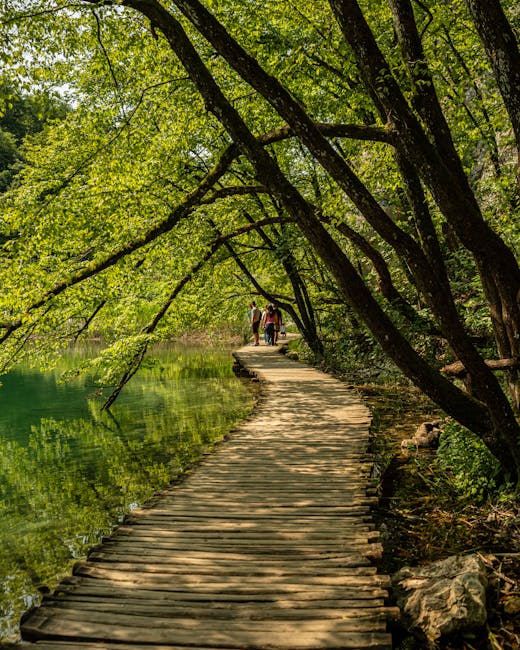
Beyond these limits, the shuttle robs you of a fundamental part of Plitvice: variability. The best impressions come when you step off the busiest trails, take a small side path, or snag a quieter hour (early morning or late afternoon) — things a shuttle, tied to a rigid timetable, makes almost impossible. The consequence: you’ll bring home the same images as hundreds of other visitors that day, but without the emotional depth of a personal discovery.
2) Real logistical problems they don’t sell you on with the shuttle
The shuttle promises “door‑to‑door,” but the logistical reality can be more confusing than it sounds. First, most shuttles drop you at peripheral parking areas (Parking Plitvička Jezera) and not directly into the maze of queues and boardwalks. You then become dependent on the park’s internal shuttles (the little train, the panoramic boat) which also have lines and schedules. Second, time management: if your shuttle arrives in the afternoon you’ll suffer from less flattering light for photos and some trails may be closed in the low season.
Third point: the real price. Group shuttles often include agency fees, markups, commissions — you’re paying for convenience and peace of mind, but seldom for a better experience. For a freelancer or a small family, the per‑person cost can top €30–50 on top of the park entrance fee. Finally, there’s limited flexibility: if you fall ill, if the weather turns, or if you want to stay longer, a shuttle on a fixed schedule becomes a constraint.
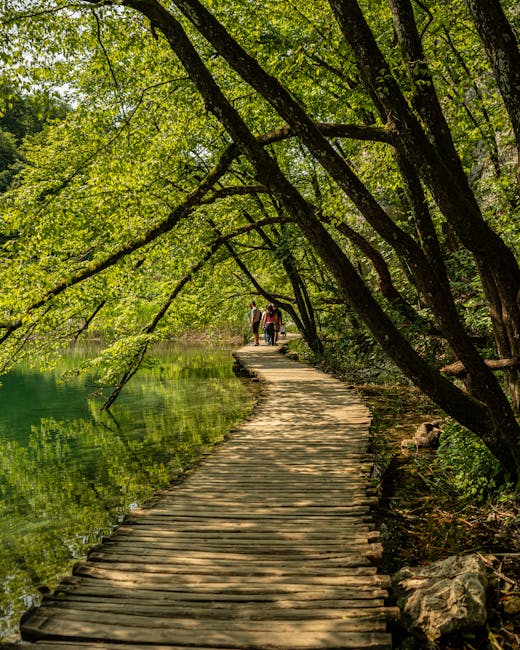
In short: the shuttle can be handy if you have very little time and zero interest in exploring, but for anyone who wants to listen to the water, breathe the air and stretch the visit, it becomes a form of alienation. At that point, it’s better to look at alternatives that actually account for nature, logistics and true cost.
3) Concrete alternative A — Take the regular bus + walk: Autotrans to Parking Plitvička Jezera
If you want a simple, budget‑friendly option that preserves the freedom to explore, take the regular bus instead of a tour shuttle. Autotrans (the Croatian bus company) runs services between Zadar, Zagreb and Plitvička Jezera. Practical example:
- Recommended departure: Autobusni kolodvor Zadar (Zadar Bus Station), address: Kneza Trpimira 1, 23000 Zadar, Croatia.
- Arrival: Parking Plitvička Jezera, 53231 Plitvička Jezera, Croatia (official bus stop).
- Estimated price: around €12–18 one way from Zadar (prices vary by season and operator; check online or at the ticket counter).
- Typical schedule: several departures daily in high season (two to four), fewer in low season — check times online 48–72 hours before travel.
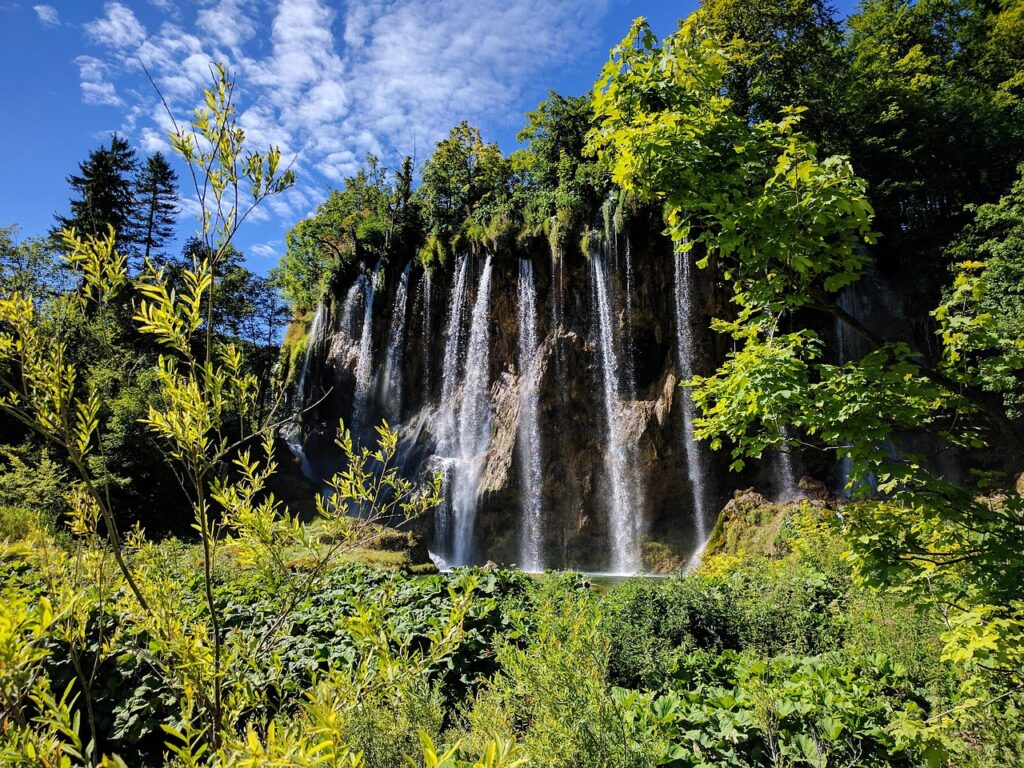
Why this is better than a shuttle? You gain flexibility: the bus drops you at the parking area, and you can choose to enter via Entrance 2 (Hladovina) and do the full north‑to‑south loop, or take the small path to the village of Mukinje and climb back up via less crowded trails. Entrance 2 (Hladovina) is officially located at: Plitvice Lakes National Park — Entrance 2 (Hladovina), 53231 Plitvička Jezera, Croatia. Park tickets must be purchased separately; in high season adult prices can range from €30 to €55 depending on hour and month — buy online or arrive early at the ticket office to avoid lines.

Practical advantages:
- Lower cost than a private shuttle and no agency markup.
- Bus schedules often line up with park opening times.
- Freedom to organize on site: stay longer, change routes, explore nearby villages like Mukinje.
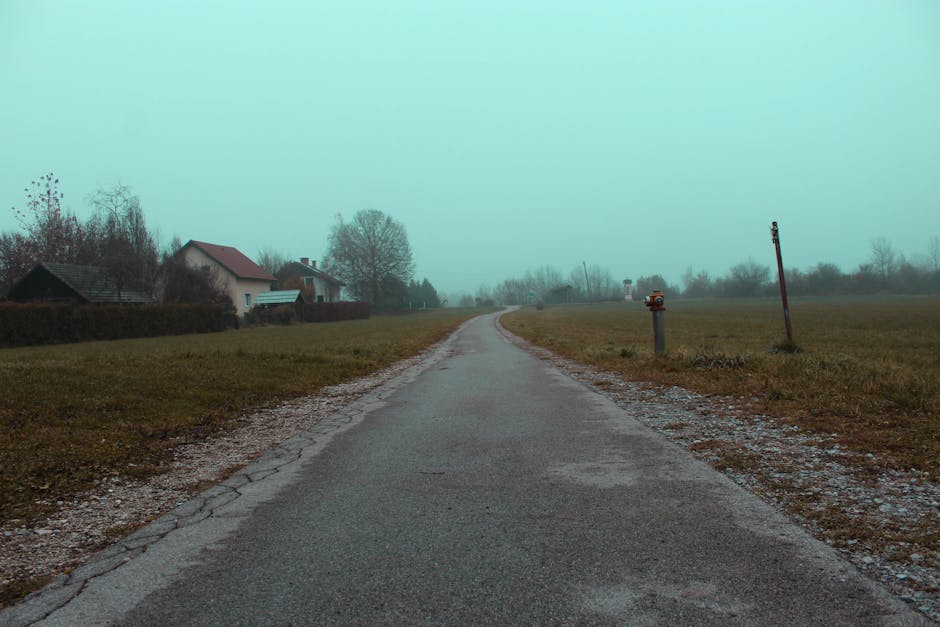
4) Concrete alternative B — Rent a car in Zadar (or Zagreb) and aim for Entrance 2 or the secondary trails
For those who want total autonomy, renting a car often gives the best value, especially for groups. Practical option:
- Recommended agency: Sixt Zadar (often available at the airport). Zadar Airport — Zračne luke Zadar, Put Melnica, 23000 Zadar, Croatia (rental desks at the airport).
- Distance: Zadar → Plitvice about 120 km, 1h45–2h depending on route and season.
- Estimated price: compact rental from ~€30–50 / day excluding insurance, variable by season.
- Parking: Parking Plitvička Jezera (coordinates: 53231 Plitvička Jezera), parking fees: usually a few euros per day depending on season; check on site.
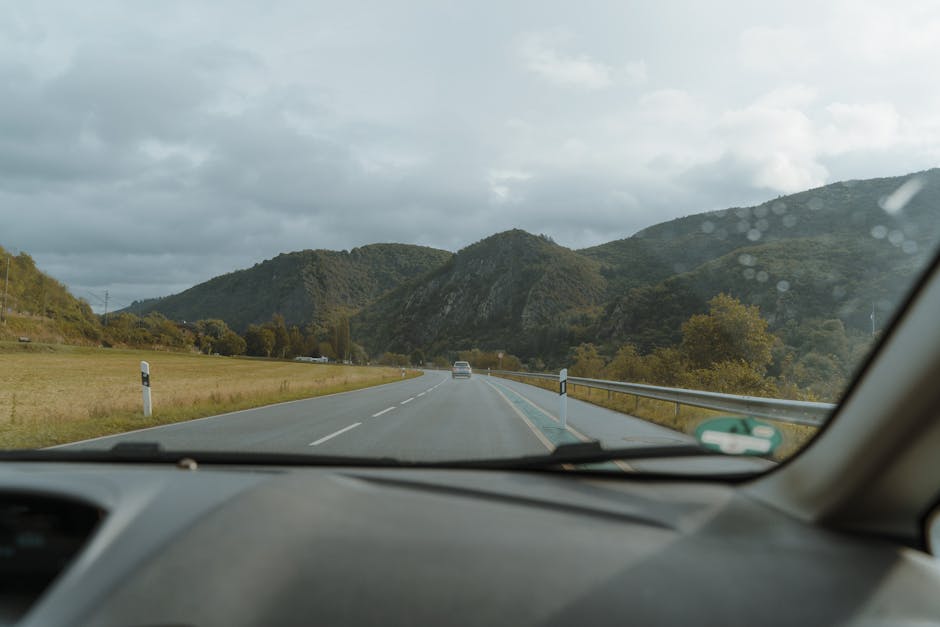
Why a car is often better? You control your schedule, avoid the morning and midday crush, reach viewpoints scattered away from the central boardwalks, and combine Plitvice with other stops (Gračac, the village of Rastovača, lesser‑visited lookouts). Practical tip: aim for Entrance 2 (Hladovina) or the small parking areas near routes C/D to start your loop counterclockwise — this reduces direct encounters with groups arriving by shuttle.
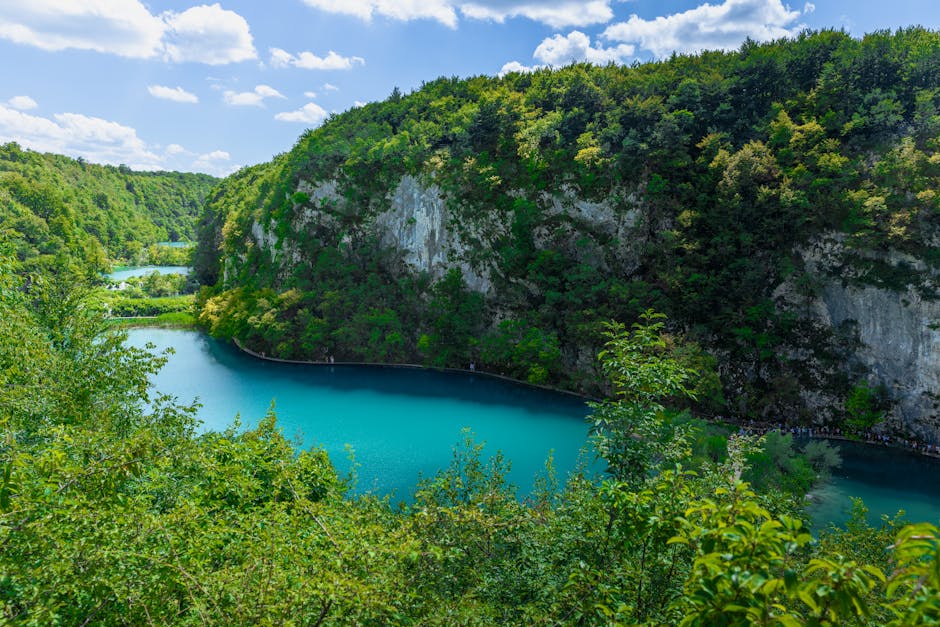
Finally, remember to reserve your park ticket in high season. Buying the ticket online (official Plitvice Lakes National Park site) will spare you time at the ticket office and let you choose a favorable time slot (e.g. entry at 08:00 or 16:00 for morning/evening light). Ticket prices vary — in 2024 high season adult: €40–55; off‑season often €10–20 — check current rates and opening hours before you go.
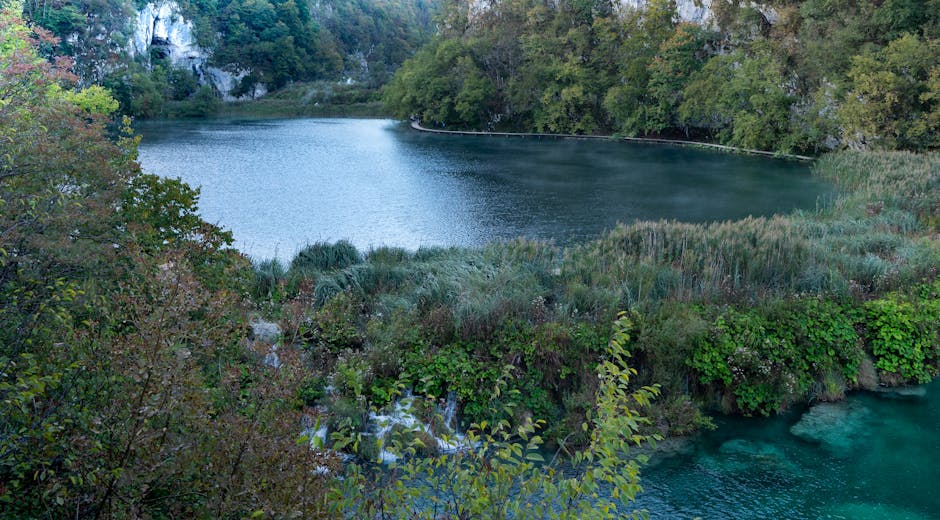
Conclusion — Choose freedom and quality over pre‑packaged convenience
To sum up: the tour shuttle is tempting because it promises a turnkey solution. But that convenience often strips away the best parts of Plitvice: free time, the chance to veer off the main flow, and the discovery of quiet corners that independent travelers find. Taking the regular bus (Autotrans) to Parking Plitvička Jezera or renting a car in Zadar (counters at Zadar Airport) are concrete, inexpensive and more respectful alternatives. They also let you tailor your visit to your own pace: enter early, follow side trails, extend your stay until sunset, or pair Plitvice with a nearby village for a deeper, more authentic experience.
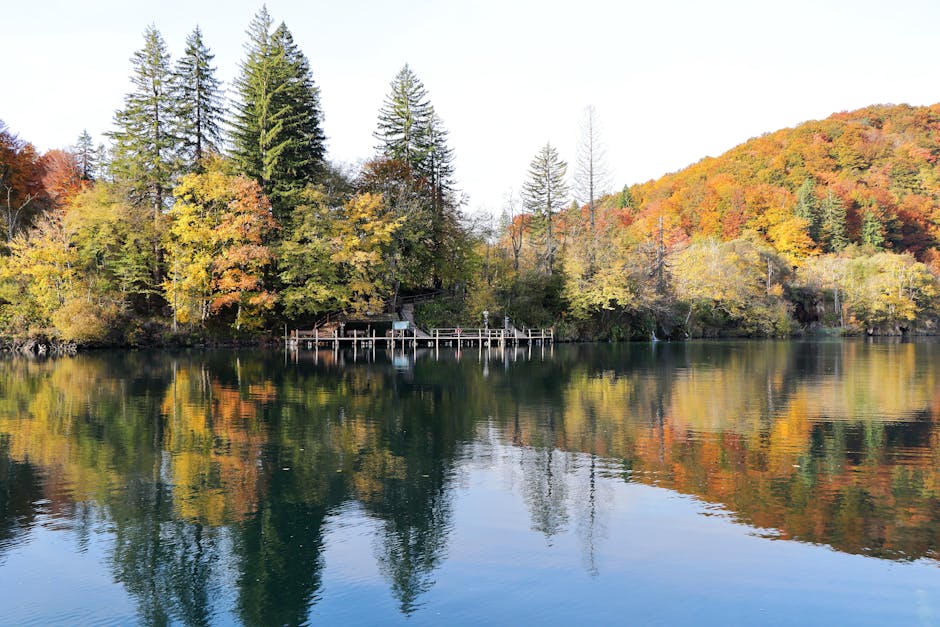
Final practical tips: book park tickets online in high season to secure a time slot; prefer Entrance 2 (Hladovina) if you arrive by car or regional bus; bring waterproof shoes and a small blanket if you plan to wait for golden light; and most of all, step a few dozen meters off the main boardwalks — the reward is often a silence and a quality of light that commercial photos don’t capture. Plitvice deserves better than the rush of a shuttle. Choose slowness and freedom: you’ll see the place, and you’ll truly experience it.