





Introduction — Why this guide to carpooling and public transport for the Plitvice Lakes
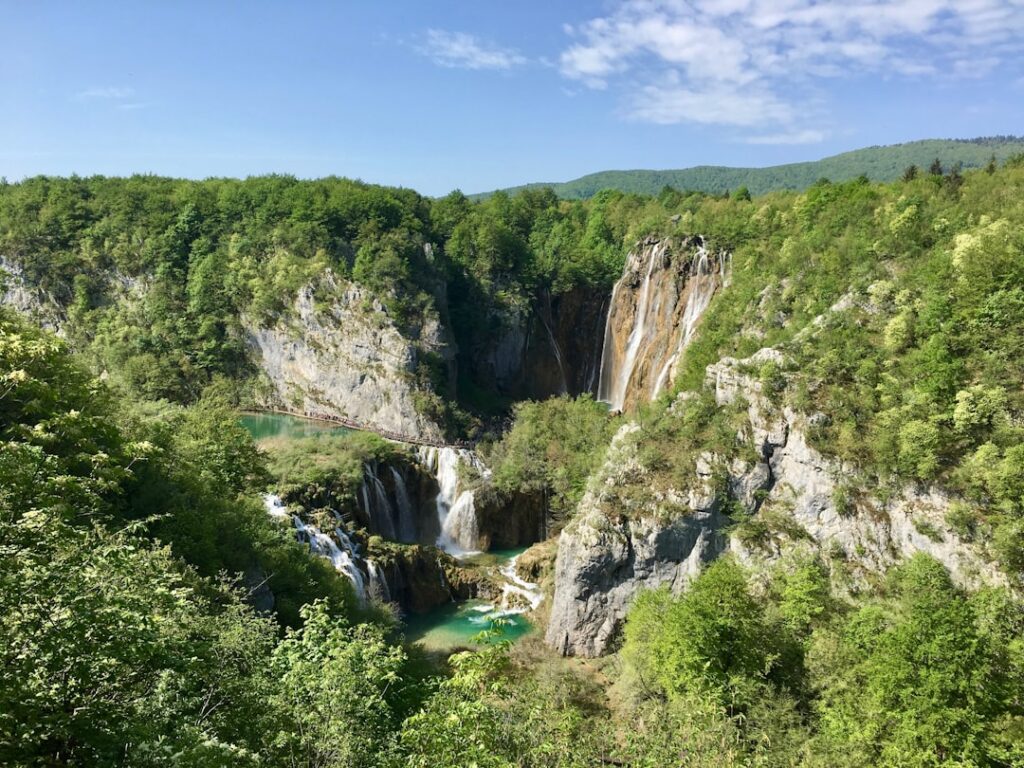
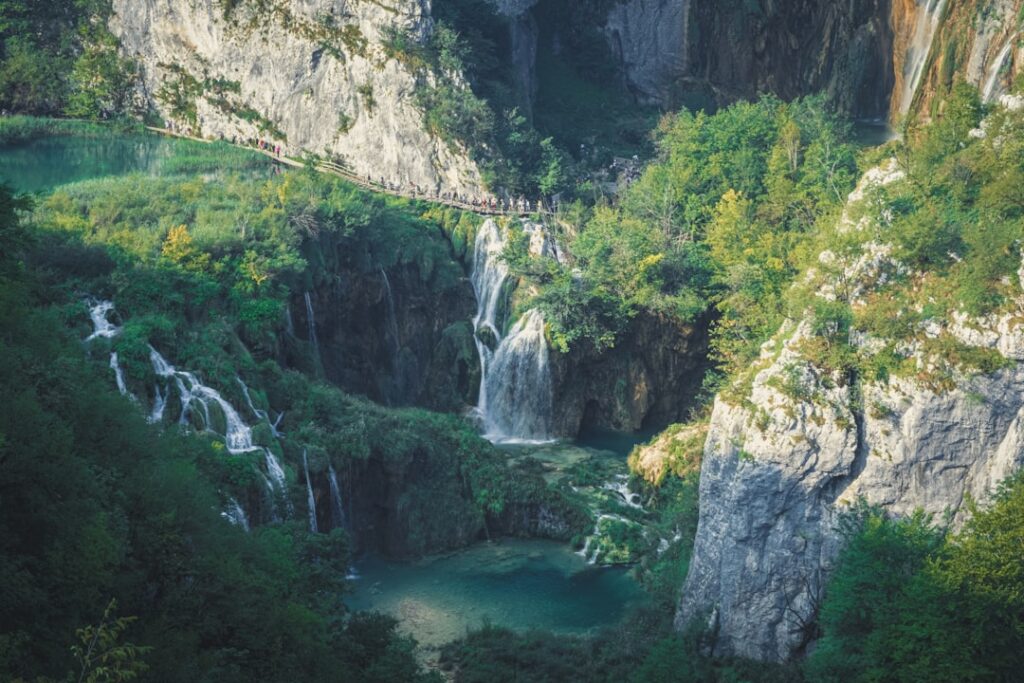
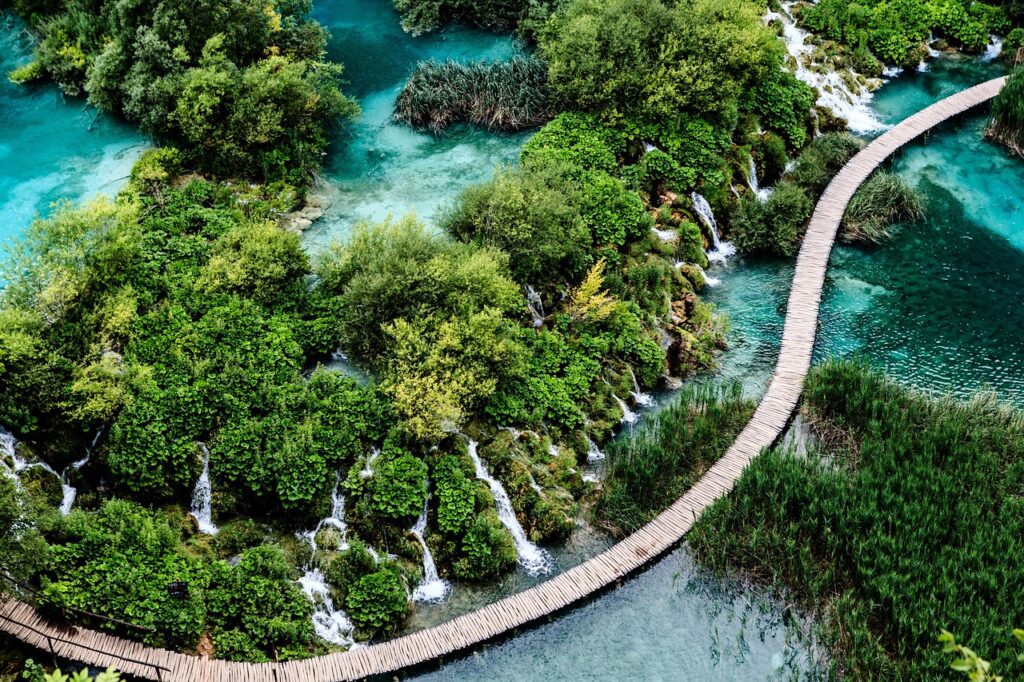
The Plitvice Lakes (Plitvička Jezera National Park) are one of Croatia’s most visited natural gems. A UNESCO World Heritage site, the park is made up of sixteen terraced lakes linked by waterfalls and wooden boardwalks that reveal breathtaking views. But that popularity brings logistical challenges: narrow roads, limited parking, seasonal bus timetables and heavy crowds in high season. This guide is a practical tool for independent travelers who want to use carpooling and for those who prefer public transport (buses, trains, local shuttles).
I provide concrete routes, exact addresses, price ranges in euros, typical schedules and immersive descriptions of arrival points and connections. You’ll find local tips to reduce waiting times, make the most of your day on the trails and avoid the busiest areas. The information covers the main origin hubs: Zagreb (the capital), Zadar, Split and Rijeka, plus options for those arriving by plane or train. I also cover carpooling platforms like BlaBlaCar, recommended meeting points, estimated costs, safety considerations and alternatives in case of cancellations.
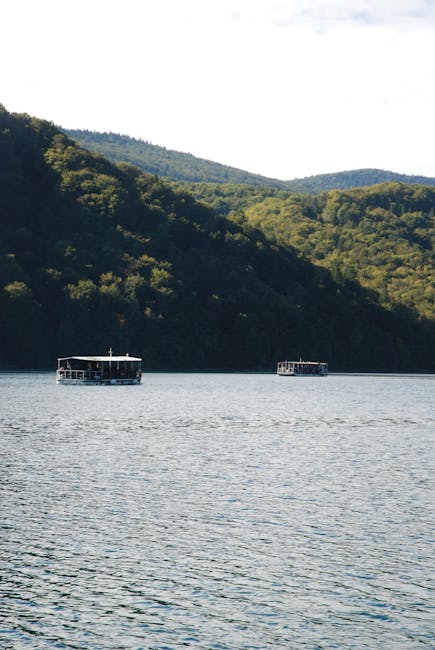
This guide includes precise references: bus station addresses (autobusni kolodvor), typical departure times (e.g. recommended early departures), approximate fares by season, and descriptions of the two main park entrances — Entrance 1 (Rastovača) and Entrance 2 (Hladovina) — with their pros depending on your route. Finally, you’ll find practical advice on parking, using the park’s internal shuttles (panoramic train & boat), which tickets to book, and alternative options (local taxis, private minibuses, organized transfers). The aim is to make your arrival at the Plitvice Lakes as smooth as possible so you can enjoy nature without transport stress.
Main access from Zagreb: buses, carpooling and detailed routes
Zagreb is the most common gateway to Plitvice. Driving directly takes about 2 h 15 to 2 h 30 (130 km) via the A1/E71 motorway, but times vary with traffic and season. If you’re not driving, the main options are intercity buses, carpooling (BlaBlaCar) and private transfers. Here are practical details and tips for each mode.
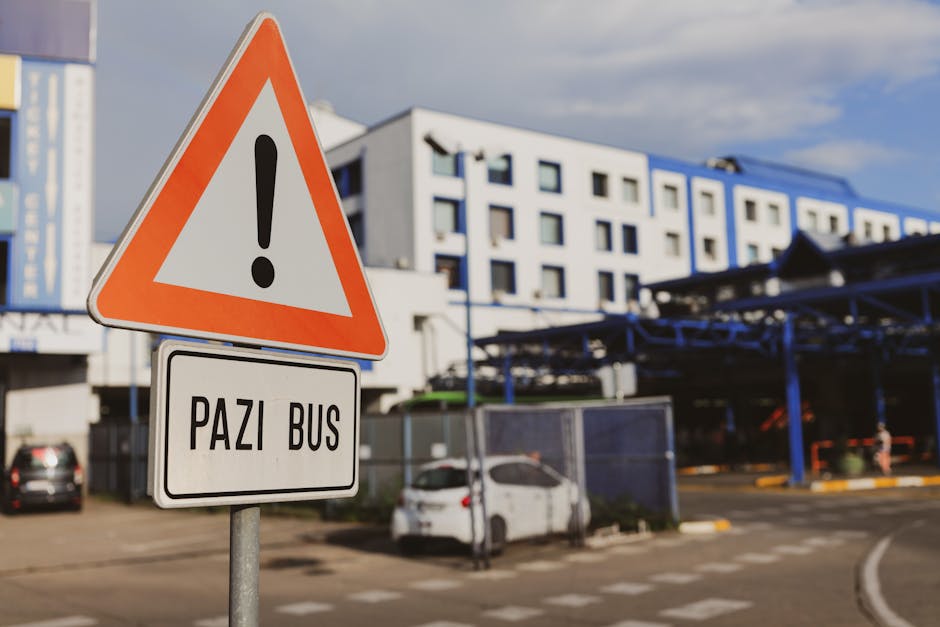
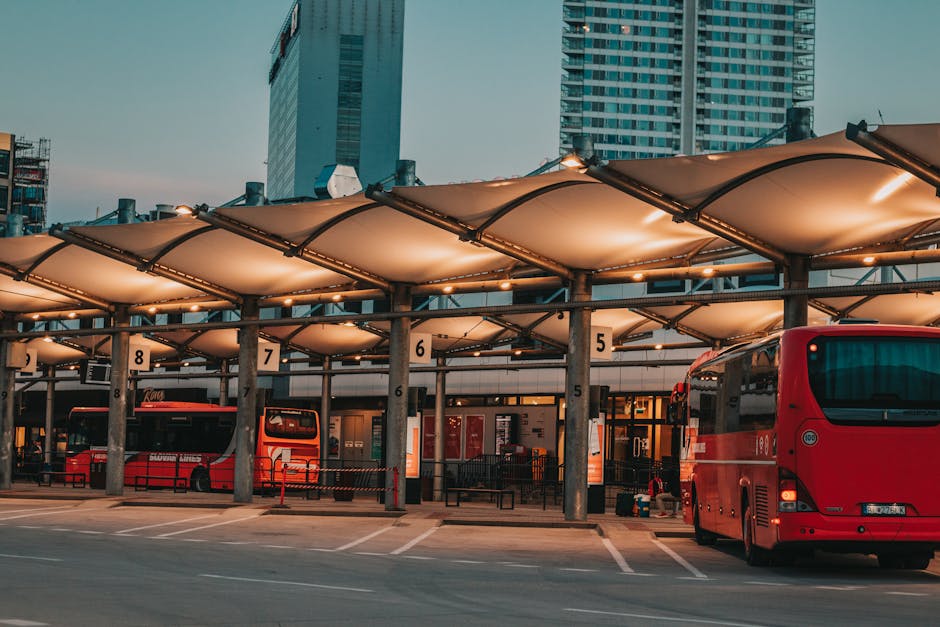
Buses: departures start from Autobusni kolodvor Zagreb (Zagreb Central Bus Station), exact address: Aleja Hrvatske mladeži 4, 10000 Zagreb, Croatia. Several companies run services to Plitvička Jezera, with frequent morning departures (usually between 06:00 and 09:30). Typical duration: 2 h 30 to 3 h depending on service and stops. Fares: around €12–€18 one way. Typical schedule:
- High season (June–Sept): departures at 06:30, 07:30, 09:00, 11:00.
- Low season: 07:30 and 10:00 are the most common departures.
Buses usually drop off at Plitvička Jezera bus station (the village). Expect a 5–10 minute taxi ride or a 20–30 minute walk to Entrances 1 or 2 depending on the stop.
Carpooling (BlaBlaCar): the platform is very active on the Zagreb–Plitvice route. Average price: €10–€18 per person. Common meeting points in Zagreb:
- Zagreb central bus station (Aleja Hrvatske mladeži 4)
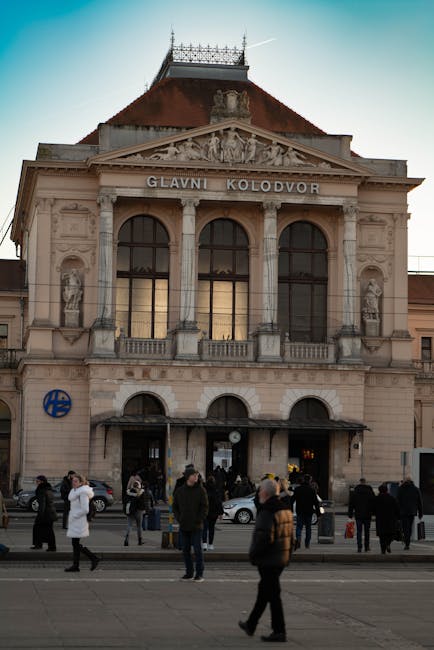
- Zagreb Glavni Kolodvor central train station (Trg kralja Tomislava 12, 10000 Zagreb)
- Public parking areas near the A1 for a quick entry onto the motorway.
Tips: always pick a driver with good ratings and check the drop-off point (Entrance 1 or 2). Confirm the departure time and route — some drivers prefer to drop passengers at the village of Plitvička Jezera rather than at a specific park entrance.
Private transfers / taxis: agencies in Zagreb offer private transfers from around €120–€180 one way depending on vehicle and passenger count. Advantages: flexible timing, direct drop-off at your chosen entrance (Entrance 1 or Entrance 2), and pickup from your exact accommodation. For groups of 3–4, this can be competitive compared to bus + local taxi costs.
Routes from the Adriatic coast: Zadar, Split and Rijeka — buses, trains, ferries and carpooling
Travelers coming from the Adriatic coast (Zadar, Split, Rijeka) have several options. Distances are longer, but coastal roads and the A1 motorway offer direct routes. Below are practical details for each city, including bus station addresses, travel times, prices and tips for combining ferry + bus where relevant.
From Zadar: Autoklub / FlixBus services depart from Autobusni kolodvor Zadar, Trg Kneža Višeslava 1, 23000 Zadar, Croatia. Duration: 1 h 45 to 2 h 30 depending on the service (about 120 km). Price: €7–€12. Timetable: several morning departures (06:30–09:30) in high season. Carpooling: BlaBlaCar is active on this route with fares similar to the bus. Note that coastal drivers may take a scenic detour along the D1, which adds time but delivers beautiful views.
From Split: Autobusni kolodvor Split (Trg Franje Tuđmana 10, 21000 Split, Croatia) offers direct connections and FlixBus services. Duration: 3 h 15 to 4 h (around 250 km). Price: €15–€25. Schedules: morning departures between 05:30 and 09:00 in high season, less frequent off-season. The train is not convenient from Split for Plitvice (indirect connections). Carpooling: many drivers use the A1 motorway and list seats on BlaBlaCar, often at competitive prices if you book ahead.
From Rijeka: Autobusni kolodvor Rijeka (Obala 22. rujna 1, 51000 Rijeka, Croatia) provides less frequent direct services. Duration: 2 h 45 to 3 h 30 depending on route (about 180–210 km). Price: €12–€20. Tip: sometimes it’s faster to take a bus to Karlovac or Ogulin and then a local connection to Plitvička Jezera — check the connections. Carpooling is a good alternative from Rijeka thanks to flexible meeting points.
Intermodal tip: if you arrive by ferry (e.g. from the islands to Zadar or Split), plan your connections carefully considering bus timetables and transit time to the bus station. In high season, booking your bus seat in advance (FlixBus or local operator) avoids unpleasant surprises.
Park entrances, parking, internal shuttles and on-site logistics — addresses, schedules and practical fares
Once you arrive in the village of Plitvička Jezera, the next step is choosing the park entrance that best fits your plan. The main access points are Entrance 1 (Rastovača), Entrance 2 (Hladovina), and arrival points for visitors staying in nearby accommodations. Official park address: Plitvička Jezera National Park, 53231 Plitvička Jezera, Croatia. Visitor info offices are usually located near the entrances and central parking area.
Entrance 1 (Entrance 1) — Rastovača: ideal if you approach from the north (Zagreb) and want to start with the upper parts of the park. Advantages: quick access to upper trails and views over the higher waterfalls. The entrance and parking are close to the village; several paid parking areas exist (approximate fee: €6–€10 per day depending on season and vehicle type). Opening hours: typically 07:00–20:00 in high season (May–Sept); reduced hours in low season (08:00–16:00).
Entrance 2 (Entrance 2) — Hladovina: often recommended for visitors arriving by bus via the village because access to lower trails and the lakes is more direct. Free internal shuttles between park points can take visitors to the panoramic train and regular boats. The same parking rules apply, and spots tend to fill up early in the morning (especially July–August).
Tickets and internal shuttles: park tickets usually include use of the panoramic shuttle (small train) and the boat between lakes depending on your chosen route, but this varies by ticket type. Indicative fares (2024/2025 season):
- High season (1 June–30 Sept): €20–€40 per adult depending on entry time (prices can be higher during peak hours).
- Low season: €8–€18.
It’s strongly recommended to buy tickets online on the official Plitvice Lakes National Park website to secure an entry time and avoid queues. Internal shuttles (train + boat) generally run from 09:00 to 17:00 with increased frequency in high season.
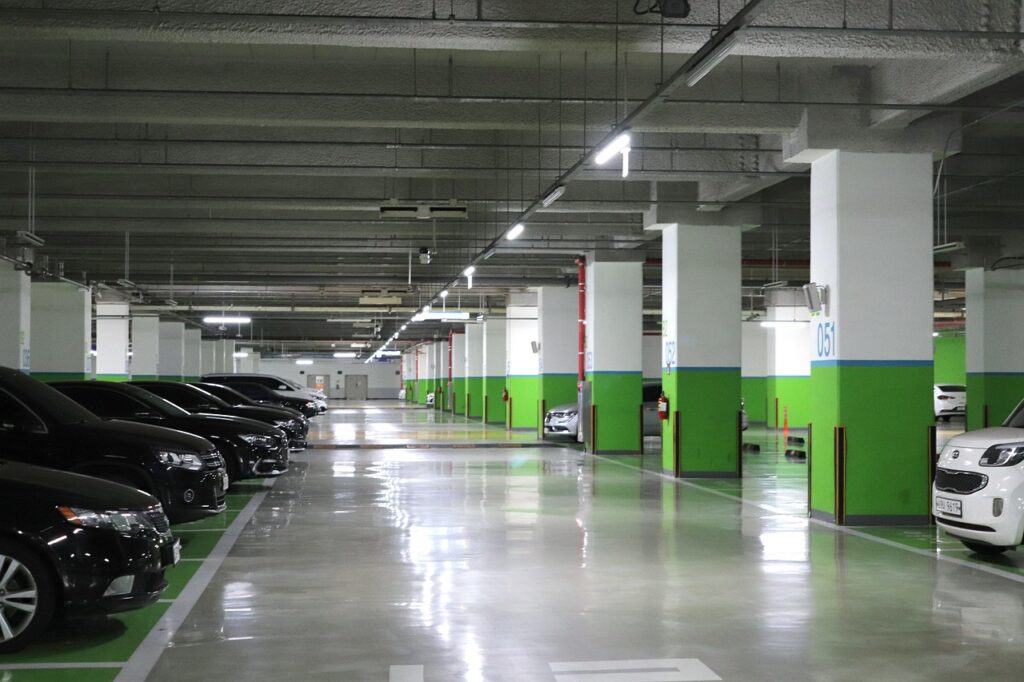
Parking and accessibility: parking is well signposted, but spaces fill up early. For cheaper and less stressful parking, consider leaving your car in the village (Plitvička Jezera) and taking a short shuttle or taxi. For visitors with reduced mobility, specific routes and shuttle services are available — ask at the park’s ticket office for details.
Practical tips, safety, local carpooling and alternatives for the unexpected
Planning your trip to Plitvice means factoring in weather, season and transport flexibility. Here are practical recommendations and contingency options to avoid the most common pitfalls.
Book in advance: for buses (FlixBus and local operators) and for carpooling, it’s wise to reserve or confirm your booking the day before. In high season, some buses sell out days in advance, and BlaBlaCar drivers may raise prices. For early departures (06:00–08:00), book well ahead.
Recommended meeting points for carpooling:
- Zagreb: in front of the central train station (Zagreb Glavni Kolodvor, Trg kralja Tomislava 12)
- Zadar: in front of the central bus station (Trg Kneža Višeslava 1)
- Split: in front of the bus station (Trg Franje Tuđmana 10)
These spots are easy to find, safe and well lit. Always confirm the vehicle registration number and the driver’s identity before getting in.
Managing delays and alternatives: if your bus is canceled or a BlaBlaCar driver pulls out, here are backup options:
- Catch another bus later in the day (check the timetable at the bus station).
- Arrange a private transfer from the nearest station — rates vary from €100–€200 depending on distance and comfort.
- If you’re a small group, renting a car for the day can be cost-effective: rental rates from €30–€50 per day depending on vehicle class and season.
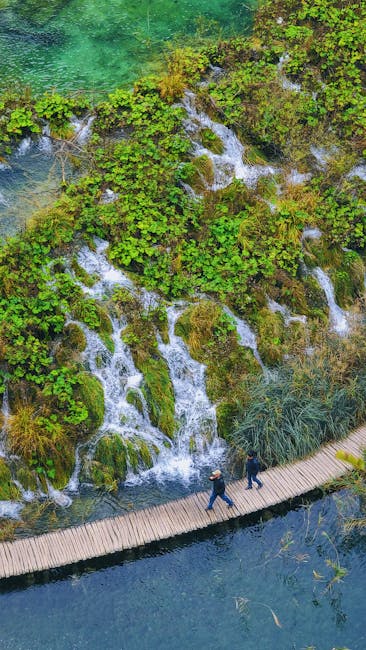
Safety and local rules: strictly follow park signage: don’t leave the wooden walkways, swimming in the lakes is prohibited, and wear appropriate footwear. In an emergency call the Croatian emergency number 112; the park also has rescue teams in high season.
Local tips for avoiding the crowds:
- Arrive early (or late afternoon) to avoid the peak crowd between 10:00–15:00.
- Starting your visit from Entrance 1 lets you explore quieter upper trail sections before most people head down to the lower lakes.
- Bring a packed lunch: park restaurants are expensive and often crowded (expect €8–€18 for a simple meal).
How to combine Plitvice with other stops: multi-destination routes and accommodation suggestions
Plitvice is often part of broader Croatian itineraries. Here are practical ways to combine the park with other destinations, accommodation tips and scheduling suggestions to optimize travel time.
Classic route Zagreb → Plitvice → Zadar/Split:
- Day 1: arrive in Zagreb, overnight stay.
- Day 2: early departure to Plitvice (arrive in the morning), day visit, overnight in Plitvička Jezera or return to Zagreb in the evening.
- Day 3: continue on to Zadar or Split depending on your plan.
Recommended places to stay near the park:
- Hotel Jezero, near the park: Plitvička Jezera 88, 53231 Plitvička Jezera — price range €70–€140/night depending on season.
- Local guesthouses (sobe) in the village: €40–€90/night, often including breakfast.
Booking ahead in high season is essential.
Combining with other parks: nature lovers might pair Plitvice with Paklenica (near Zadar) or Krka (near Šibenik). Transfers between these parks are usually by car; expect driving times of 1.5 to 3 hours depending on the combination.
Timing tips: a full visit to Plitvice ideally takes 4–6 hours (routes B or H depending on your pace). If you arrive by bus early in the morning (between 07:00–09:00), you can have a very full half-day and still leave in the afternoon for your next stop. Watch return bus schedules closely: check them at the village bus station in the morning.
Conclusion — Best way to plan your arrival at the Plitvice Lakes
Reaching the Plitvice Lakes by carpooling or public transport is not only possible but often recommended to reduce parking stress and environmental impact. From Zagreb, Zadar, Split or Rijeka there are regular bus connections and many carpooling options (BlaBlaCar) that let you reach the park for reasonable prices (typically €7–€25 depending on distance). Private transfers remain a convenient option for groups or travelers on tight schedules, with prices ranging from €100–€200.
On site, pick your preferred entrance in advance (Entrance 1 for upper trails, Entrance 2 for the lower lakes), book tickets online if possible, and aim to arrive early to avoid crowds. Tickets often include access to the panoramic train and internal boat, but fares vary significantly by season — expect higher prices in summer. Bring suitable shoes and clothing, water and a packed lunch if you want to avoid long queues at park eateries.
Finally, remember that flexibility is your best asset: keep local bus operator contacts, save BlaBlaCar driver details, and inform your accommodation if you’ll be late. With good preparation, the journey to Plitvice becomes a pleasant part of your trip, as memorable as the lakes themselves. Enjoy the show, respect the park and its rules, and return with unforgettable photos and memories.