





Introduction — Why planning your route to Plitvice Lakes matters
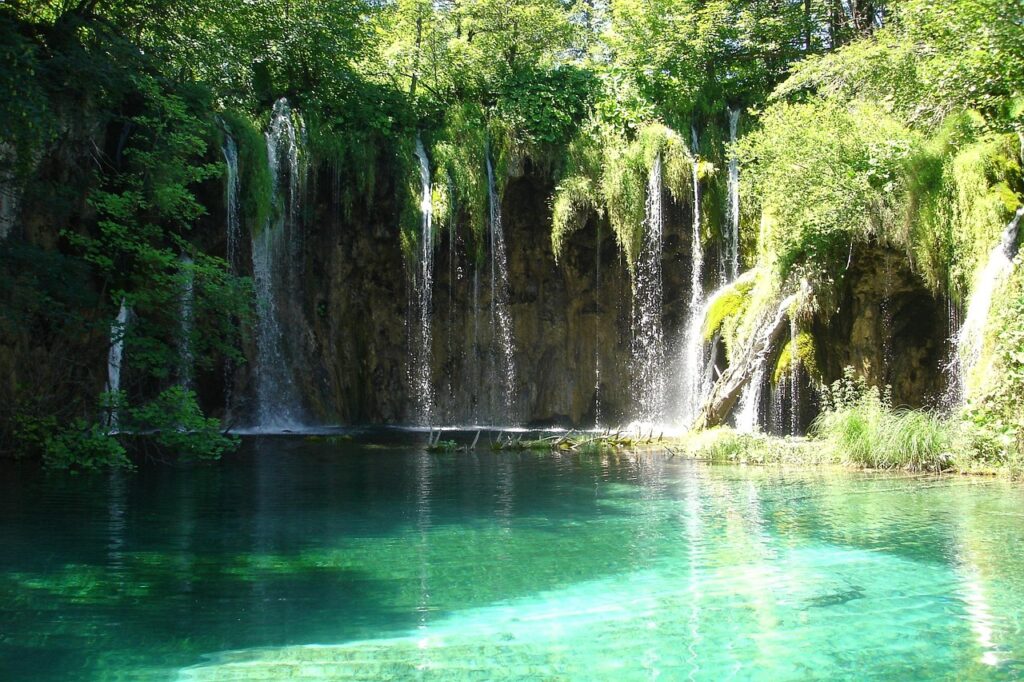
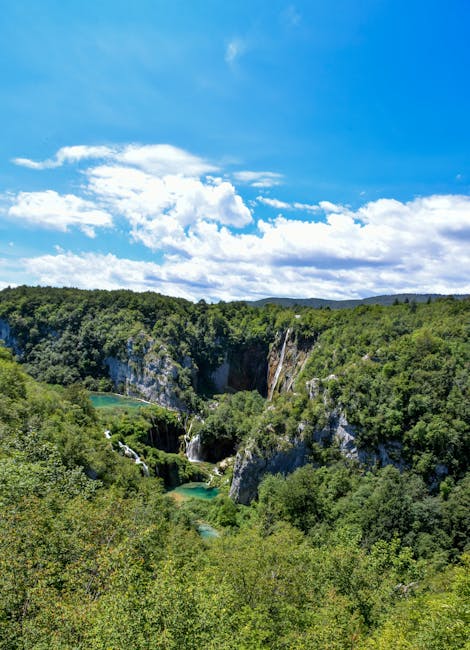
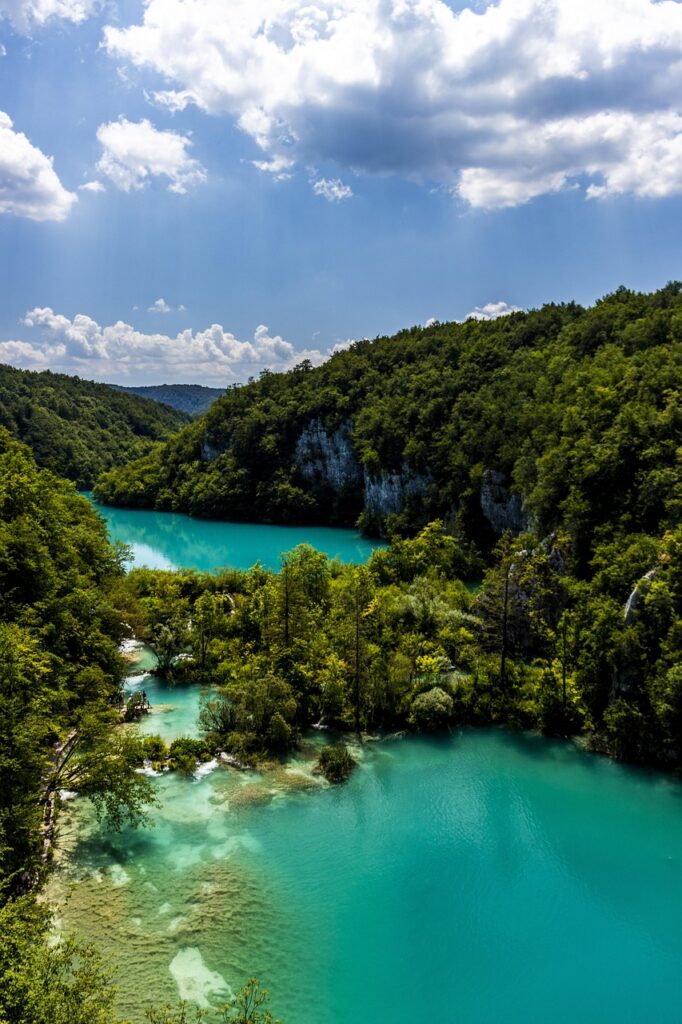
Plitvice Lakes (Plitvička Jezera National Park) is one of Central Europe’s most visited natural wonders. A UNESCO World Heritage site, this extraordinary series of 16 terraced lakes, turquoise waterfalls and ancient woodland draws hundreds of thousands of visitors every year. How you get there will shape your whole experience. A well-planned journey reduces stress, saves time and money, and can turn a simple visit into a memorable day full of scenic stops, local tastes and unexpected discoveries.
This comprehensive guide walks you through every practical transport option to Plitvice Lakes: rental car, intercity buses, organized shuttles, private transfers, the train (and why it’s limited), connections from major airports (Zagreb, Zadar, Split, Rijeka), plus a few international routes from Ljubljana, Budapest or Vienna. For each option you’ll find exact pickup/dropoff points, typical schedules, price ranges in euros, vivid route descriptions, local tips and hands-on recommendations (best arrival point by season, which park entrance to use, parking options).
We also include up-to-date practical info on the park’s two main entrances: Ulaz 1 (Entrance 1) and Ulaz 2 (Entrance 2), their rough locations, access rules and indicative entry fees in euros. Timetables and prices change regularly—especially high-season tickets and bus frequencies—so consider this guide a solid baseline plus alternatives if your train or flight is delayed. Finally, you’ll find essential local tips: best arrival times to avoid crowds, which hiking routes to pick, where to park for the day, and which local providers to prefer for a comfortable transfer.
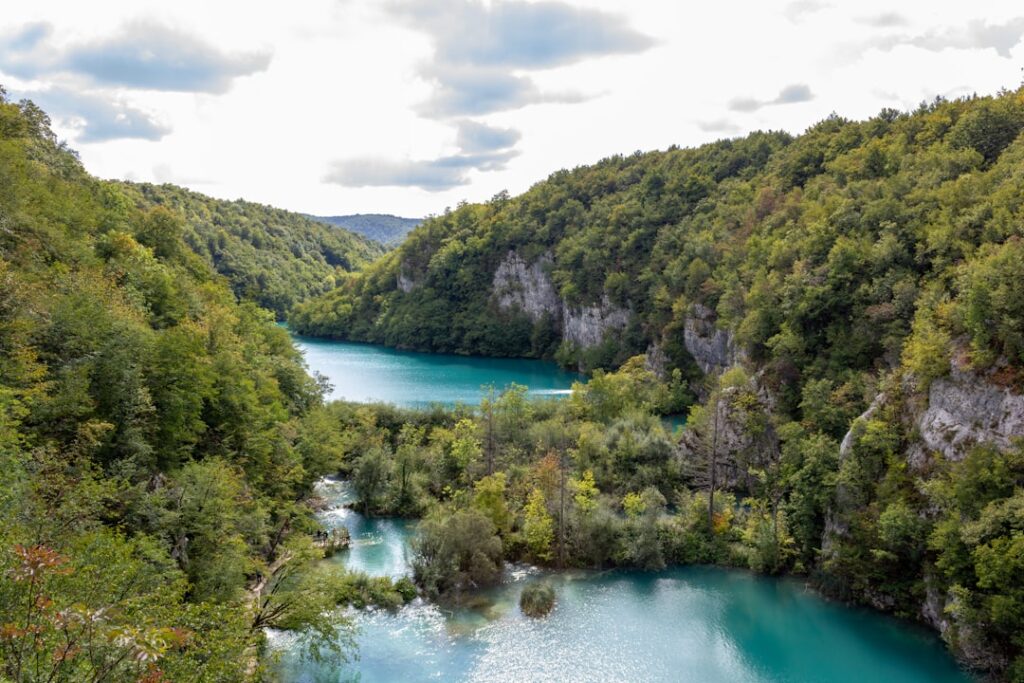
1) By car — freedom, routes, parking and costs
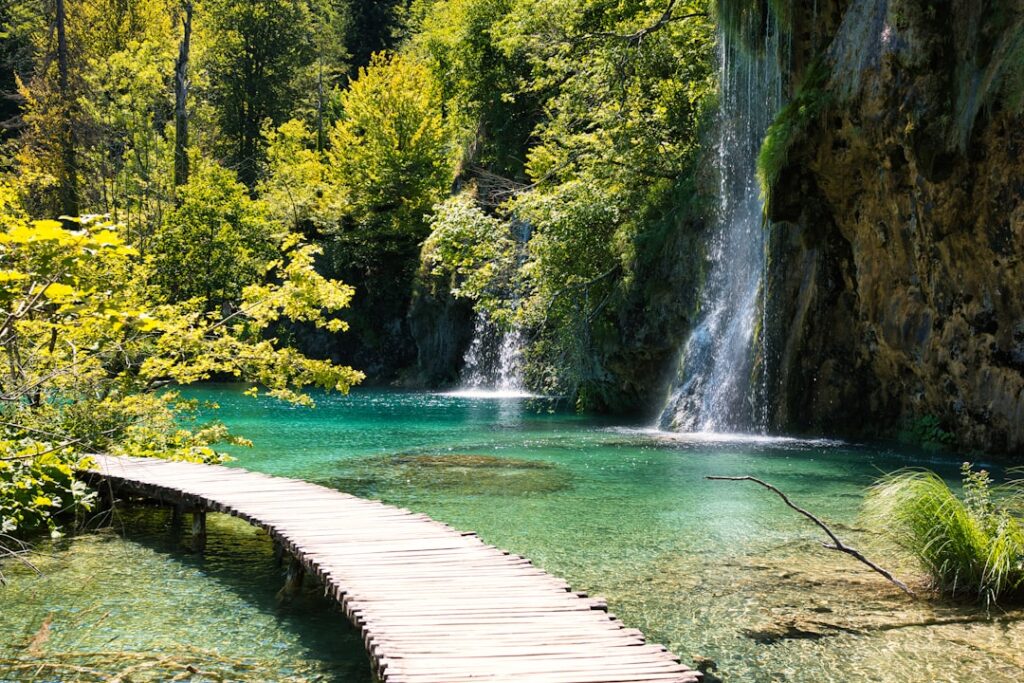
Driving to Plitvice is usually the most flexible option and the one I recommend if you want to combine a park visit with exploring the surrounding area (the Korana River, the mill village of Rastoke, Sinj, etc.). The main roads serving Plitvice are the A1/E65 (from Zagreb or Split), the D1 scenic national road, and a network of well-maintained local roads. Most GPS systems accept either “Plitvička Jezera, 53231 Plitvička Jezera, Croatia” or simply “Plitvice Lakes National Park.”
Typical driving times (nonstop):
– From Zagreb (Franjo Tuđman Airport / city center): about 130 km, 1h45–2h (A1 + D1);
– From Zadar (city center): about 120 km, 1h30–1h45 (D1);
– From Split (city center): about 240 km, 2h30–3h (A1 + D1);
– From Rijeka: about 200 km, 2h30–3h (A6/A1 or D1 depending on route).
These times vary by season (summer high season, roadworks, etc.).
Car rental and costs:
– Typical rental rates: €30–€70/day for a small economy car; €60–€120/day for a family car or SUV; extra insurance is often recommended. Big international brands like Sixt, Avis, and local companies such as Oryx Rent a Car or Avant Car operate in the region.
– Fuel: as a 2026 estimate, expect about €1.60–€1.90 per litre depending on station; for a round trip from Zagreb budget roughly €25–€50 in fuel depending on the vehicle.
– Tolls: A1 includes toll sections (Zagreb–Plitvice via A1 + D1); allow €5–€18 for tolls depending on the exact route.
Parking and park entrances:
– Plitvice has several official parking areas around the two main entrances. Get there early to secure a spot near Entrance 1 or Entrance 2. The park’s general address is: Plitvička Jezera National Park, 53231 Plitvička Jezera, Croatia.
– Parking fees: €1–€5/day depending on location and season (some limited free roadside parking exists on secondary roads). Official lots labeled P1, P2, P3 are signposted on site. Tip: arrive before 09:00 in high season or the closest lots will fill up.
Practical tips: bring an offline map or a paper map—mobile coverage can be patchy in the valley. If you rent at an airport (Zagreb, Zadar, Split) check one-way drop fees if you plan to return the car at a different location. In winter, fit winter tyres and carry chains when necessary: local roads can be snowy and icy.
2) Intercity buses and shuttles — budget-friendly options and typical schedules
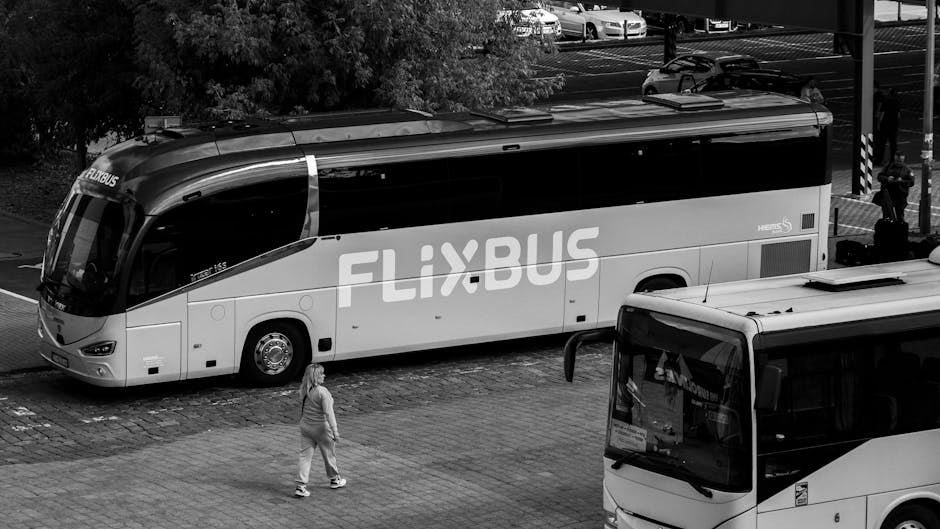
Intercity buses are the go-to option for travelers without a car and offer great value. Several companies run services to Plitvice from Zagreb, Zadar, Split and other major towns. Buses usually arrive at the local bus station near the village of Korenica or directly at the park parking/entrance areas on seasonal lines.
Main stations and addresses:
– Zagreb Bus Station (Autobusni kolodvor Zagreb), Trg Ante Starčevića 6, 10000 Zagreb, Croatia.
– Zadar Bus Station (Autobusni Kolodvor Zadar), Ante Starčevića 2, 23000 Zadar, Croatia.
– Split Bus Station (Autobusni Kolodvor Split), Rančićeva ul. 1, 21000 Split, Croatia.
– Korenica (local bus station near Plitvice): arrivals are often listed as “Korenica / Plitvice” on tickets.
Prices and typical schedules (indicative):
– Zagreb → Plitvice/Korenica: €10–€20 one-way, with increased daily frequency in high season (April–October) and departures often around 06:30, 08:00, 11:00 and 15:00. Journey ~2h15.
– Zadar → Plitvice: €12–€25 one-way, morning departures (07:00–09:00) and some direct seasonal shuttles; journey ~1h45.
– Split → Plitvice: €20–€35 one-way, roughly 3h, usually 1–3 departures per day depending on the season.
Buy tickets online via carrier websites (FlixBus sometimes serves the region), at station ticket counters or through local agencies. In peak season buy in advance.
Airport shuttles and day tours:
– From Zadar Airport (Zračna luka Zadar, Put Bokanjca 85, 23000 Zadar), shuttles run to Zadar Bus Station with connections to Plitvice. Airport → city shuttle: €4–€7.
– From Zagreb Airport (Franjo Tuđman, Ulica Rudolfa Fizira 21, 10150 Velika Gorica), use the airport shuttle or bus 290 to the bus station, then a direct bus to Plitvice. Total transfer cost typically €15–€30 depending on connections.
– One-day tours from Zadar, Split or Zagreb usually include round-trip transport + park entrance + guide; expect €55–€120 per person depending on inclusions.
Local tip: pick a bus that arrives before 10:00 to enjoy the trails with fewer people. Double-check the drop-off location (Korenica vs park parking): some buses stop at Korenica, which may require a short taxi or walk to the park entrance. Bring water, snacks and a rain jacket—the weather in the valley can change fast.
3) Private transfers, taxis and door-to-door services — comfort at a price
If comfort, speed and flexible timing matter most, private transfers or taxis are the best options. They’re ideal for large families, travelers with heavy luggage, or anyone who wants to stop for sights en route (Rastoke, fortresses, viewpoints). Local companies operate vehicles from 1 to 8+ passengers and drivers often speak some English.
Sample one-way rates (indicative):
– Zagreb city → Plitvice (private transfer): €120–€180 for a car (1–3 people); €180–€260 for a minivan (4–8 people). Duration ~2h.
– Zadar city → Plitvice: €80–€140 depending on vehicle. Duration ~1h30.
– Split city → Plitvice: €200–€300 for a comfortable private transfer (2–4 people), often with an extra charge for tolls.
Prices vary with season, vehicle type, passenger count and stops along the way.
Booking and pickup points:
– Book via trusted platforms (GetTransfer, Suntransfers, or local Plitvice agencies). Provide exact pickup and dropoff addresses (for example “Autocentar Zagreb, Trg Ante Starčevića 6, 10000 Zagreb” or “Plitvička Jezera National Park, Entrance 1, 53231 Plitvička Jezera”).
– Drivers can usually wait at Entrance 1 (Ulaz 1) or Entrance 2 (Ulaz 2)—specify which entrance you want when you book.
Taxis and local apps: in larger cities (Zagreb, Split, Zadar), taxis and ride apps (Uber is not always available across Croatia; local alternatives exist) can drive to Plitvice, but fares are similar to or higher than pre-booked private transfers. Taxis charge by time and distance—on long rides a private transfer with a fixed price is usually more transparent.
Practical tip: confirm whether the quoted price includes tolls and parking. If you want the driver to wait for your return, negotiate a return rate—waiting fees are usually €15–€25/hour. Ask the driver to suggest local stops; they often know a great coffee spot or a viewpoint that most tourists miss.
4) Plane + final leg — airports, connections and total door-to-door time
If you’re arriving in Croatia from abroad you’ll likely land at one of these airports: Zagreb (Franjo Tuđman), Zadar, Split or Rijeka. Each airport gives different options to reach Plitvice; your choice depends on flight price, season, total travel time and local plans.
Airports and addresses:
– Zagreb Airport (Franjo Tuđman), Ulica Rudolfa Fizira 21, 10150 Velika Gorica, Croatia. About 120–140 km from Plitvice.
– Zadar Airport (Zračna luka Zadar), Put Bokanjca 85, 23000 Zadar, Croatia. Around 120 km.
– Split Airport (Zračna luka Split), Rudimira 1, 21217 Kaštela, Croatia. About 240 km.
– Rijeka Airport (Omišalj), Omišalj 51, 51512 Krk/Općina Omišalj, Croatia. Roughly 200 km.
Detailed options from each airport:
– From Zagreb: the fastest route is to take the airport shuttle to the bus station (public bus 290 or Pleso prijevoz shuttle) then a direct bus to Plitvice. Shuttle airport → bus station €4–€7; direct bus €10–€20. Total door-to-door ~2h30. Private transfer: €120–€180. Rental car: €30–€70/day.
– From Zadar: airport shuttles to Zadar city (€4–€7) link with direct buses or organized tours to Plitvice (seasonal shuttle return fares €30–€50). Total door-to-door ~2h by direct bus. Private transfer Zadar→Plitvice €80–€140.
– From Split: the easiest options are car rental or private transfer—bus links exist but are less frequent and take longer. Bus Split→Plitvice €20–€35, about 3h. Flying into Zagreb and transferring from there is usually not worth it timewise.
– From Rijeka: direct public connections are limited; a private transfer (≈€180–€260) is recommended. You can combine train + bus but expect long travel times.
Door-to-door timing: factor in time to get off the plane, collect luggage, transfer shuttle → bus station, waiting and the trip itself. Example: an international flight arriving in Zagreb at 08:00 → shuttle + bus → arrive Plitvice around 11:30–12:00. In high season try to arrive early (before 09:00) or consider staying a night nearby (Korenica, Jezerce, Rakovica) so you can be first at the trails.
Tips: look for early-morning flights or consider arriving the evening before if you want a long park day. Roads can be congested on summer weekends; an overnight near the park makes for a much calmer morning visit (check exact hotel addresses near Plitvička Jezera before booking).
5) Train and active alternatives — why there’s no direct train and cycling/hiking options
Unlike some other European parks, there is no direct railway line to Plitvice. Nearby stations are some distance away and require a bus or taxi connection. That’s due to karst topography, environmental protection and the limited rail infrastructure in this mountainous Croatian area.
Nearby stations:
– Gospić Railway Station (approx.) — the closest station but with limited international and frequent services; address: Gospić Railway Station, 53220 Gospić, Croatia (services limited).
– Zagreb Glavni Kolodvor (Zagreb main station), Trg kralja Tomislava 12, 10000 Zagreb, Croatia — a common rail hub to combine with a bus.
– Rijeka Railway Station — useful for some combined itineraries.
Train + bus combinations: many travelers take a train to Zagreb, Rijeka or Karlovac, then connect to an intercity bus to Plitvice. Practical example: take an international train to Zagreb Glavni Kolodvor → bus from Zagreb bus station → Plitvice (~2h15). It’s a nice option if you love train travel, but it’s rarely the fastest choice.
Cycling and hiking options: active travelers can reach the area by bike or organize a mixed bike+trek tour. The D1 and minor roads are scenic, but certain sections are hilly. Electric mountain bike rentals are available locally (Korenica/Plitvička Jezera): €20–€45/day depending on the model.
Multi-day hiking routes link the lakes with nearby villages—book guesthouses in advance (price range €30–€100/night). Bring a detailed map: trail signs in the park show routes A–K, and some stretches are hike-only.
Tips: if you insist on using the train for part of your trip, schedule your bus connection in advance—combined train+bus tickets aren’t always sold together. Cyclists should avoid peak park hours and stick to secondary roads for safety; the terrain is demanding and hilly.
Conclusion — Picking the best route for your profile and the season
The best way to reach Plitvice Lakes depends on your starting point, budget, comfort level and the season. If you’re based in Zagreb or Zadar, intercity buses are an economical and straightforward choice (typical fares €10–€25). For full independence and photo stops en route, renting a car is hard to beat: total freedom, the ability to visit Rastoke and nearby villages, and easy parking if you arrive early. Private transfers and taxis provide absolute comfort and peace of mind—great for groups or for squeezing the most into a half-day (rates roughly €80–€260 depending on origin and vehicle). Finally, the train can be part of a hybrid journey but there’s no direct rail link to the park.
In high season (April–October) time management is vital: arrive before 09:00 to enjoy quieter trails, or pre-book your entry ticket and park shuttle. Park entry fees vary by season—expect €10–€40 for an adult depending on timing (prices change; check the park’s official site). For air travelers, land at Zagreb or Zadar if you want the shortest connection; from Split or Rijeka it’s often best to arrange a private transfer or stay overnight.
Final practical tips: keep printed confirmations for buses and transfers, download an offline map of the park, wear sturdy hiking shoes and a waterproof jacket, and follow park rules to protect this fragile site. If in doubt, contact the park office: Plitvička Jezera National Park, 53231 Plitvička Jezera, Croatia (ticketing and opening hours on the official website). Follow this guide and you’ll optimize your journey, enjoy a memorable arrival and spend as much time as possible soaking up the turquoise lakes, waterfalls and woodland paths that have made Plitvice world-famous.