





Introduction — Plan your arrival at Plitvice Lakes
Plitvice Lakes (Plitvička Jezera / Plitvice Lakes National Park) are one of Croatia’s natural crown jewels and a UNESCO World Heritage Site. Every year hundreds of thousands of visitors flock to this dramatic system of 16 terraced lakes, waterfalls and limestone forests. Visiting the lakes requires a bit of practical logistics: knowing how to get there, where to park, how to use the internal shuttles and boats, and how to handle schedules and fares so you can make the most of your time on site. This comprehensive guide lays out the main transport options — bus, train, car and boat — with addresses, typical schedules, prices in euros, local tips and vivid descriptions to make your trip through the park smooth and memorable.
Whether you’re traveling from Zagreb, Split, Zadar, Rijeka or the Adriatic coast, you’ll have choices: direct buses, a train+bus combination, the freedom of a rental car, and boat crossings inside the park. Each option has perks: buses are affordable and practical, trains can offer a slower scenic route (but usually require a transfer), cars give you flexibility with routes and timing, and the park’s electric boats and panoramic shuttle trains are included (or nearly included) as part of on-site transport to connect the upper and lower sections.
This guide is meant to be a practical roadbook: full addresses (usually in English and Croatian), price estimates in euros (noting seasonal variations where relevant), typical schedules and concrete tips to avoid crowds and common pitfalls. Because schedules and fares change with the seasons (high season — June to August — and low season — November to March) and operational updates, it’s strongly recommended to check timetables and prices a few days before you travel (official park website, bus operators, HŽ – Croatian Railways).
Finally, you’ll find practical recommendations here: where to park safely, which internal shuttles are free or paid, the best times to photograph the falls, and how to combine modes of transport for an optimized route (for example: train to Karlovac, direct bus to Plitvice, then on-foot exploration and an electric boat ride inside the park). The following sections describe each transport mode in detail — bus, train, car and boat — and include precise addresses, prices in euros, typical schedules and trusted local tips.
1) Getting to Plitvice Lakes by bus — options, addresses, fares and tips
The bus is the most commonly used way to reach Plitvice Lakes from major Croatian cities. Connections run frequently from Zagreb, Zadar, Split and even Dubrovnik in high season. Bus journeys are often direct and usually the most economical and reliable solution for travelers without a car.
Main stations and departure points:
- Zagreb – Autobusni kolodvor Zagreb (Main Bus Station Zagreb), Trg kralja Petra Krešimira IV 3, 10000 Zagreb. Many carriers operate direct services to Plitvička Jezera (Plitvice).
- Zadar – Autobusni kolodvor Zadar, Obala kneza Branimira 24, 23000 Zadar. Direct services mainly run in the summer season (June–September).
- Split – Autobusni kolodvor Split, Kolodvorska 6, 21000 Split. Direct routes or connections via Zadar or Karlovac during peak season.
- Plitvička Jezera Bus Station, Trg M. Terezije (often listed as Plitvice NP bus stop). Local address: Plitvička Jezera 53231. From there, shuttles or short walks to Entrance 1 and Entrance 2.
Companies and bookings:
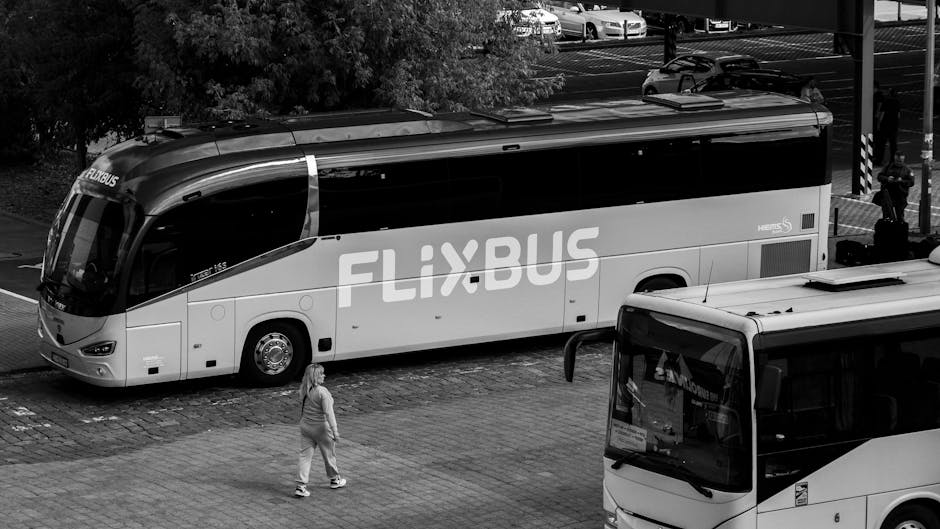
- FlixBus – serves Zagreb → Plitvička Jezera at certain times. Book online: www.flixbus.com. Indicative prices: €12–€25 one-way depending on season and how far in advance you book.
- Arriva / Autotrans – long-standing local operators running intercity services. Tickets are available at stations or via their local portals. Prices similar to FlixBus, often €10–€20.
- Local seasonal companies – direct services from the coast (Split, Dubrovnik) in summer: fares €20–€40 depending on route and distance.
Typical schedules and travel times:
- Zagreb → Plitvička Jezera: frequent departures 07:00–18:00, journey about 2 h 15 to 2 h 45 depending on the service. Early morning departures (07:00–09:00) are common so you can arrive before the main tourist rush.
- Zadar → Plitvička Jezera: around 1 h 45–2 h 15 depending on route; morning and early afternoon services, with more options in high season.
- Split → Plitvička Jezera: 3 h to 4 h 30 depending on route; often a direct summer service or via Zadar/Karlovac.
Fares and tickets:
- Standard range: €10–€25 one-way from Zagreb (outside promotions). Prices rise in July–August.
- Group/family fares: some companies offer discounts. Check at the ticket desk.
- Online booking: recommended in high season to secure a seat. Card payments are accepted on official websites.
Access from Plitvička Jezera bus station:
Most buses stop near the bus station or directly at one of the main entrances (Ulaz 1 / Ulaz 2). From the stop, expect a 5–20 minute walk depending on where you arrive. In peak season, local shuttles operate between the bus station and the entrance parking lots, often timed to coincide with bus arrivals.
Local tips:
- If you arrive by bus, buy your park entrance tickets online (official Plitvice Lakes National Park website) to avoid queues. Buses arrive in large numbers early morning and around midday.
- Check whether your stop is Ulaz 1 (Entrance 1 / Poljana) or Ulaz 2 (Entrance 2 / Stara Plitvica), as that will determine your route inside the park.
- Store luggage carefully on the bus if needed — ask the driver about luggage hold options.
2) Reaching Plitvice Lakes by train — practical routes and limitations
Croatian trains (HŽ – Hrvatske Željeznice / Croatian Railways) provide comfortable journeys between major cities, but direct rail access to Plitvice Lakes is limited. There isn’t a large train station adjacent to the national park. Still, train travel can be a great part of the trip: combine rail with bus to enjoy a more relaxed or economical journey.
Key stations and recommended connections:
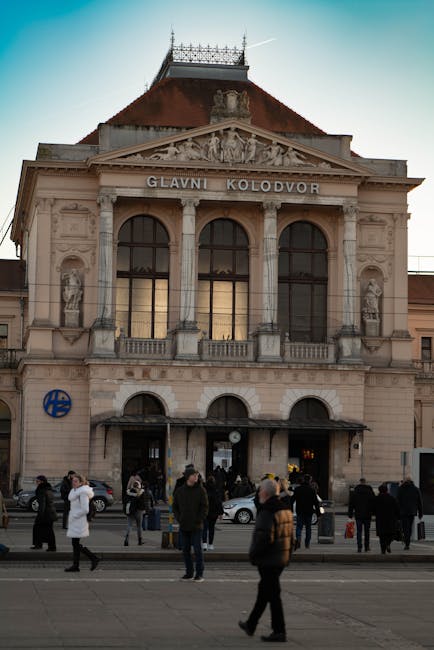
- Zagreb Glavni kolodvor (Zagreb Main Railway Station), Trg kralja Tomislava 12, 10000 Zagreb. This is the country’s main rail hub. Fast and regional trains depart from here to Karlovac, Rijeka, Split and beyond.
- Karlovac Railway Station, Trg J.J. Strossmayera 7, 47000 Karlovac. A useful station for reaching Plitvice: bus connections Karlovac → Plitvička Jezera (bus 1 h 15–1 h 45).
- Knin Railway Station (Knin Railway Station) – an option if your route comes from the southeast or from Šibenik / Split; buses connect onward to Plitvice.
How to combine train + bus:
The most practical approach from Zagreb is to take a regional train to Karlovac (40–60 minutes depending on the service), then catch an intercity bus Karlovac → Plitvička Jezera. Timetables are often coordinated during the tourist season, but you should allow a variable connection time (15–60 minutes). Similarly, from Split or Zadar it can make sense to take a train to the best-served nearby town and continue by bus. Tickets are usually sold separately: HŽ for the train (site https://www.hzpp.hr) and the coach company for the onward journey.
Schedules, durations and prices:
- Zagreb → Karlovac (regional train): 40–60 minutes; indicative fare €4–€8 depending on train and class.
- Karlovac → Plitvička Jezera (bus): 1 h 15–1 h 45; price €8–€15 depending on carrier and season.
- Estimated total time from Zagreb via Karlovac: 2 to 3 hours depending on connections.
Train limitations:
- There is no direct rail service to the park; the final leg is always by bus or car.
- Night services and some regional connections are reduced in low season; plan ahead.
Practical tips:
- Check HŽ (Croatian Railways) timetables and the regional bus schedules to coordinate your connections.
- If you travel with a bicycle, check HŽ and the bus company’s bike carriage policies in advance.
- Look out for combined train+bus tickets offered by local agencies during high season.
3) Driving to Plitvice Lakes — routes, parking, costs and tips
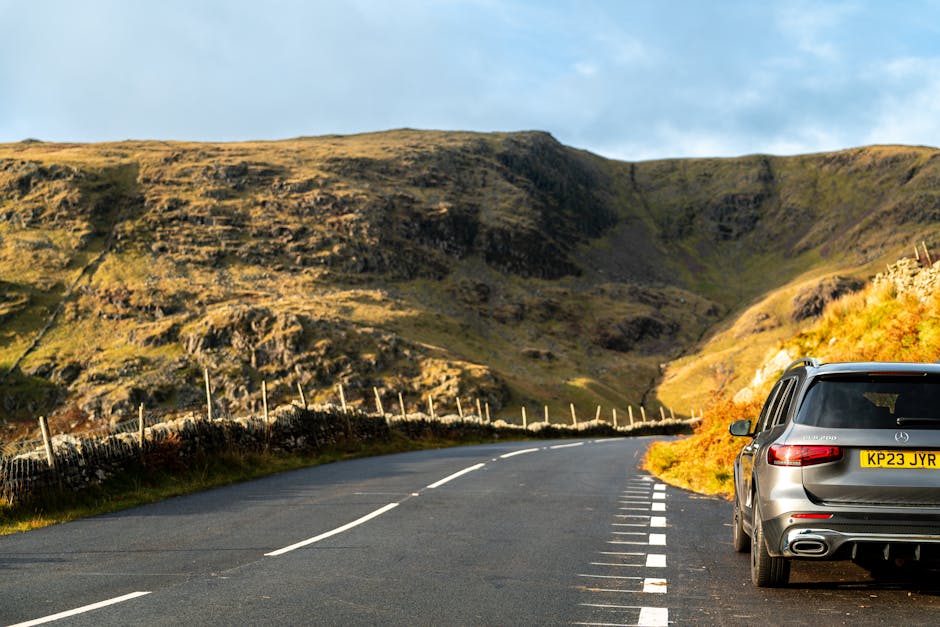
Driving is the most flexible way to visit Plitvice Lakes: it lets you arrive when you choose, explore nearby sights (e.g. Rastoke, Korana River, Paklenica National Park), and control your itinerary. Roads are generally in good condition, especially the main arteries (A1/E71, D1).
Main routes:
- From Zagreb: about 130 km; recommended route: A1/E71 toward Karlovac, then D1 to Plitvička Jezera. Approximate driving time: 2 h to 2 h 15 depending on traffic. An all-D1 scenic route takes longer but is more picturesque.
- From Zadar: about 120 km; route via D1 (Zadar → Gračac → Plitvička Jezera), driving time 1 h 45–2 h.
- From Split: about 300 km; A1 then D1 / national roads, driving time 3 h 30–4 h.
Entrance addresses and parking:
- Plitvice Lakes National Park — Ulaz 1 (Entrance 1 / Poljana): Poljana 1, 53231 Plitvička Jezera, Croatia. This is the most popular entrance for short circuits and the lower lakes area.
- Plitvice Lakes National Park — Ulaz 2 (Entrance 2 / Stara Plitvica): Stara Plitvica 1, 53231 Plitvička Jezera, Croatia. Convenient for the upper lakes and often less crowded mid-day.
- Parking P1 / Parking P2: official car parks near both entrances; fees generally €7–€12 per day in high season, €3–€5 in low season (indicative rates).
Costs and formalities:
- Fuel: price per liter varies (around €1.60–€1.90 depending on period and region). Allow extra margin for longer drives.
- Tolls: sections of the A1 are tolled depending on your starting point; costs vary (e.g. Zagreb → Karlovac is small, with additional tolls further south). Check Croatian motorway sites for exact amounts.
- Parking: €7–€12 per day in July–August; €3–€5 off-season. Follow signs for P1/P2 and staff directions.
- Insurance: if renting a car, consider full coverage with no excess (CDW) where possible, especially on mountain or secondary roads.
Driving and safety tips:
- The D1, although scenic, is winding and can be busy; adjust your speed, especially in wet conditions. Bring chains in winter if you travel off-season.
- Arrive early (before 09:00) in high season to secure parking and enjoy morning light on the waterfalls.
- Park only in official parking areas: wild parking near entrances is prohibited and can result in fines.
- If you plan to stay nearby overnight, hotels and guesthouses (Plitvička Jezera village) often offer private parking; check rates and book ahead in high season.
Alternative routes and local day trips:
A car also lets you visit nearby attractions: Rastoke (Slunj) is 30–40 minutes away and is famous for its mills and cascades, the Rmanj monastery or the Korana gorges. With good planning you can combine a morning at the park with an afternoon in Rastoke in a single day.
4) Boats and shuttles at Plitvice Lakes — internal connections, what’s included and photo tips
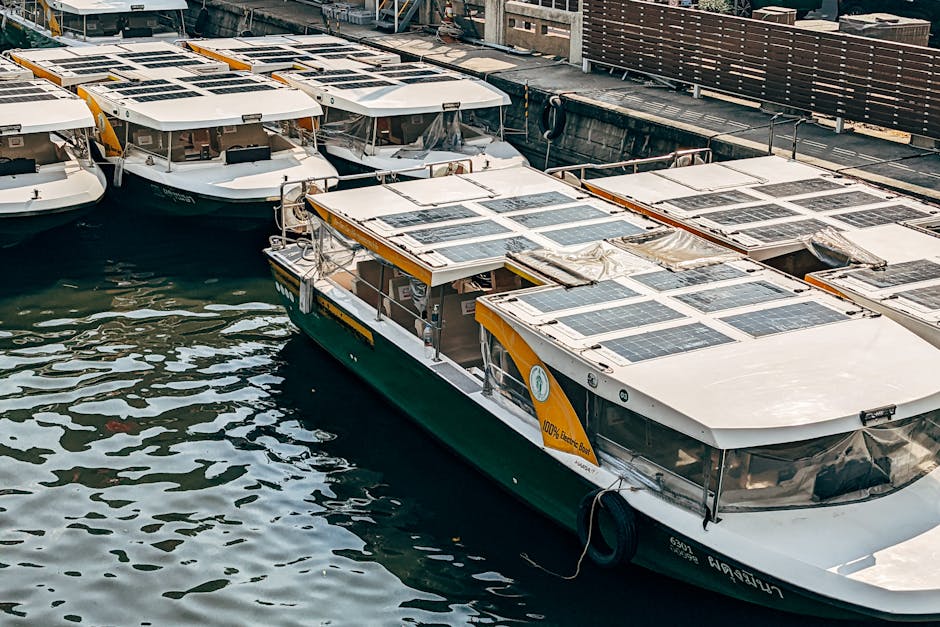
Once inside the park, the electric boat and the shuttle train/bus (small panoramic train) are essential to link the upper and lower lake areas. These on-site transport options make the visit easier and provide unique viewpoints from the water or the panoramic shuttle.
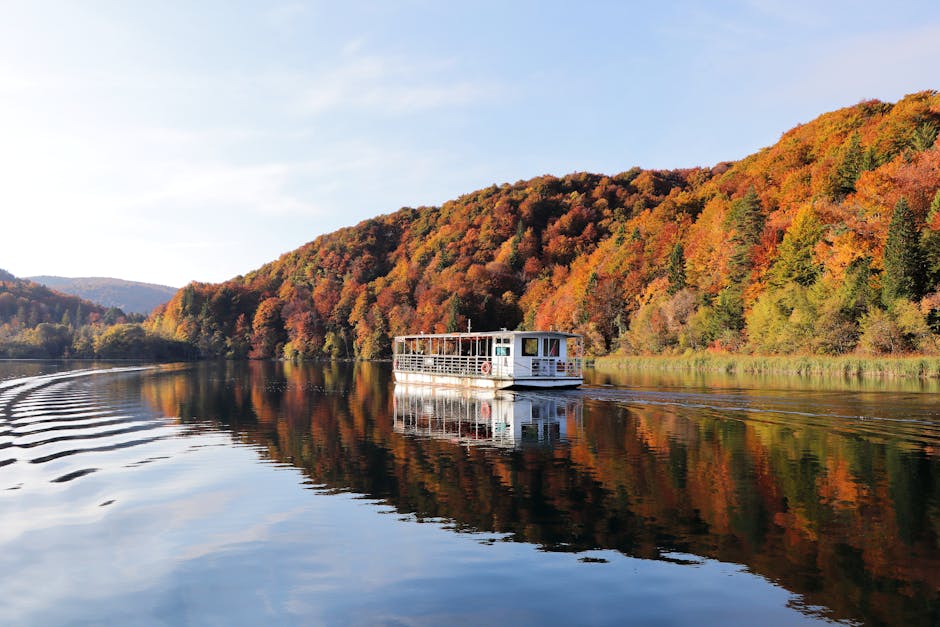
Electric boat on Lake Kozjak:
- The electric boat connects two main points on Lake Kozjak, the park’s largest lake. Boarding points are well signed: piers P3/P2 depending on the area.
- Schedules: in high season (May–September), boats run frequently (every 10–20 minutes) from 08:00 to 18:00; in low season frequency and hours are reduced (check at the park information center).
- Fare: boarding is generally included with the park entrance ticket (official park tickets cover the boat and the internal mini-train). If an extra charge applies for special crossings it will be shown at the ticket desk (typically no more than €1–€3 per person).
- Duration: crossings take about 5–15 minutes depending on the exact route and weather conditions.
Internal panoramic train/shuttle:
- A small train / electric shuttle links the upper and lower zones. It runs continuously in high season with departures every 20–30 minutes.
- Included: rides are usually covered by the entrance fee; check your ticket to confirm it includes « boat & shuttle ». Controls at main entrances are common.
Photography and experience tips:
- Pick a front seat on the boat for unobstructed views of cliffs and waterfalls. The electric boats are quiet and let you capture natural soundscapes (birdsong, rushing water).
- Best photo times: sunrise (around 08:00 in summer, later in low season) or late afternoon when the light skims the limestone walls. Avoid midday in high season when light is harsh and paths are crowded.
- Wear non-slip shoes: docks can be wet and slippery.
- If you have heavy camera gear, secure it: boats can rock slightly and spray is possible near rapids.
Accessibility:
Some shuttles and boats are accessible to visitors with reduced mobility, but the wooden boardwalks sometimes include narrow sections. The park publishes accessibility information and it’s recommended to contact the park information office in advance: Plitvička Jezera National Park Information Office, address: Plitvička Jezera 53231, tel: +385 (0)53 751 015 (indicative number). Check what services are available (there are no elevators, but adapted shuttles may be possible).
Conclusion — Choosing the best option and making the most of Plitvice Lakes
Plitvice Lakes offers a range of access options for different traveler profiles: the bus for tight budgets and stress-free routes from big cities, the train+bus combo for a slower, more authentic pace, the car for freedom and side trips, and the park’s boats/shuttles for efficient connections and unique viewpoints. Each option has advantages, and your choice will depend on priorities: cost, comfort, flexibility or scenic charm.
Final practical recommendations:
- Book ahead in high season: bus / FlixBus tickets, accommodation, and above all your park entrance ticket (daily quotas can limit access at certain times). Park entrance prices vary a lot by season (high season: typically €35–€45 for adults; shoulder and low season: €8–€25). Check the official site: nationalpark-plitvicka-jezera.hr for current fares and reservations.
- Aim for an early arrival (or late afternoon) to avoid crowds and take advantage of the best photo light. Parking lots and piers fill quickly after 10:00 in summer.
- If driving, factor tolls and road conditions into your route planning: A1 + D1 is the most common and reliable combination from Zagreb and Split.
- For a train+bus trip, research the Karlovac connections and allow buffer time between segments. Trains are comfortable but connections can be long in low season.
- At piers and on shuttles, be respectful: boats are electric and the ecosystem is fragile; don’t litter and stick to marked trails.
In short, preparing your transport to Plitvice Lakes greatly increases the chances of an unforgettable day: emerald waters, misty cascades, birdsong and forest atmosphere. Whether you pick the comfort of a car, the simplicity of a direct bus, the charm of a mixed train+bus route, or the convenience of internal boats to link the lakes, this guide will help you plan the route that fits your needs. Remember to double-check the addresses and schedules mentioned here a few days before departure: operators and the park update services and fares periodically. Safe travels and wonderful discoveries at Plitvice Lakes!