





Introduction: why and how to book a bus to the Plitvice Lakes
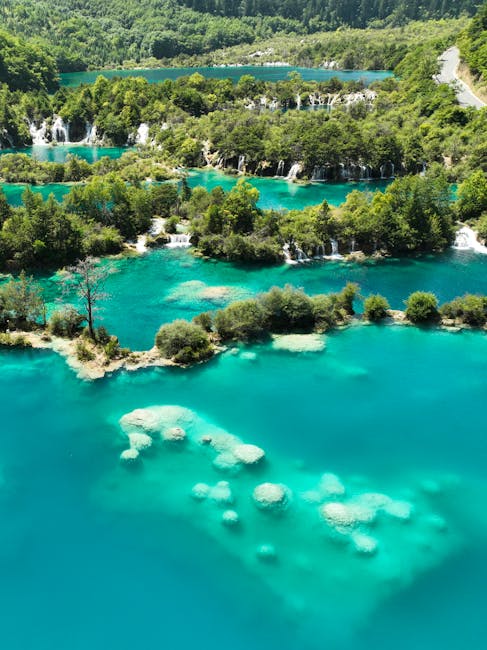
Visiting the Plitvice Lakes (Plitvička Jezera) is often the highlight of a trip to Croatia. This UNESCO World Heritage site draws visitors from around the globe thanks to its tiered waterfalls, turquoise waters and dense forests. To turn that dream into reality you need dependable transport — and taking the bus is usually the most practical, affordable and eco-friendly option if you’re coming from cities like Zagreb, Zadar, Split, Rijeka or even Dubrovnik. This hands-on guide walks you through every step to book a bus: finding timetables, choosing the right stop, prices in euros, typical schedules and a ready-to-print checklist.
We avoid vague advice and focus on action: where to buy tickets, how to pay, which lines to favor, how to manage high season (June–August) and low season (November–March), and which stops put you closest to the park entrances. You’ll get exact station names and addresses, approximate fares in euros for common routes, typical departure windows (morning, midday, afternoon) and tips to make the most of your time there — for example which stop to pick to avoid an extra shuttle or to walk straight to Entrance 1 or Entrance 2.
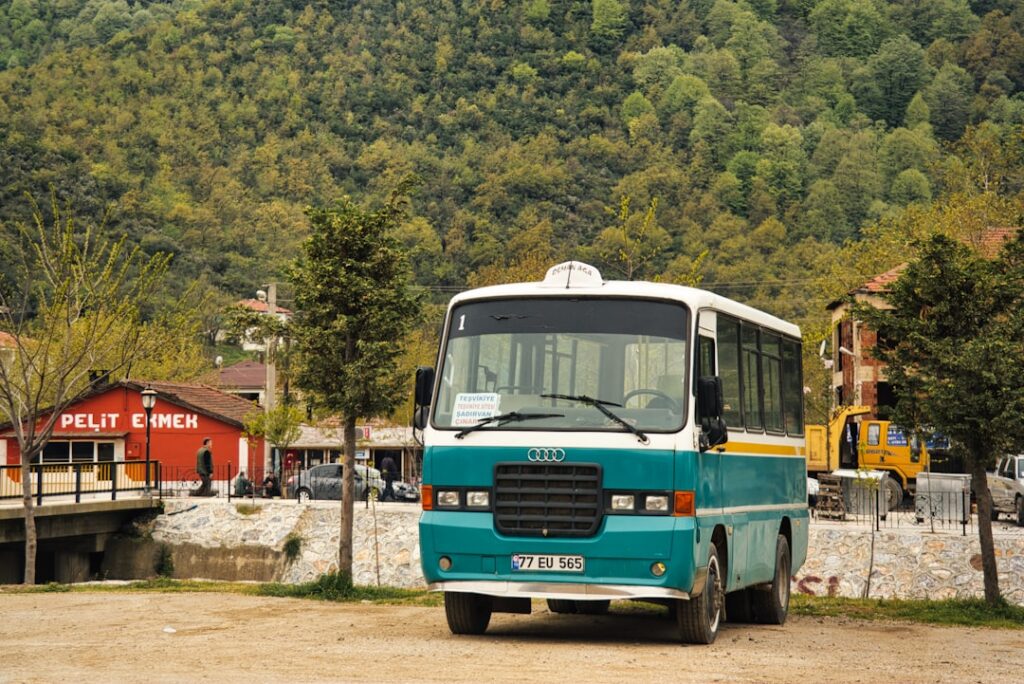
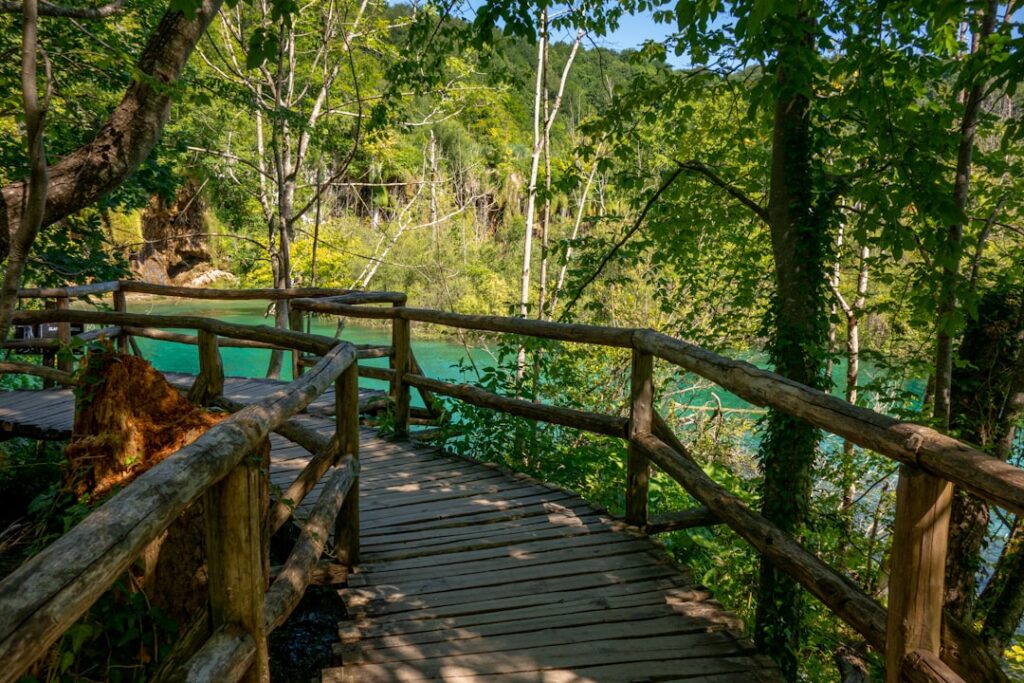
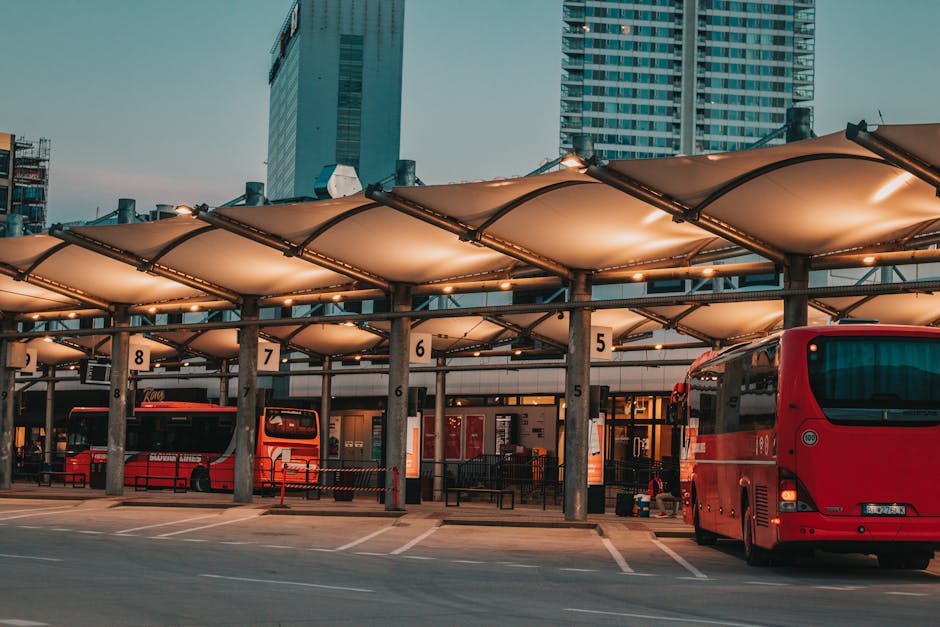
This guide is structured in practical steps: preparing before booking, step-by-step online booking, the day of travel, arriving at the park and post-arrival tips. At the end you’ll find a full checklist so you don’t forget anything (ID, booking confirmation, printed or mobile tickets, local cash, waterproof clothing, etc.). Price and timetable info is updated to 2024 trends and based on regular bus operators like FlixBus, Arriva and Autotrans; we also list the exact addresses of main bus stations: Autobusni kolodvor Zagreb, Autobusni Kolodvor Zadar, Autobusni kolodvor Rijeka, plus the Split and Dubrovnik stations if you’re coming from the coast. Finally, image placeholders help you picture the route and scenery before you go — waterfalls, wooden walkways, bus stations and modern coaches — so you know what to expect on your journey.
Step 1 — Plan your journey: pick your station, dates and budget
Before you book, clarify your starting point, travel date and budget. Here are the main hubs and their exact addresses for trips to Plitvice:
- Zagreb – Autobusni kolodvor Zagreb: Avenija Marina Držića 4, 10000 Zagreb. Taxis/trams available. Ticket office opening hours: 05:00 – 23:00 (seasonal).
- Zadar – Autobusni kolodvor Zadar: Ante Starčevića 4, 23000 Zadar. About a 10-minute walk from the city center.
- Split – Autobusni Kolodvor Split: Trg kralja Petra Krešimira IV 1, 21000 Split.
- Rijeka – Autobusni kolodvor Rijeka: Trg Viktora Bubnja 1, 51000 Rijeka.
- Other key point: Gospić bus station (useful for local connections).
Indicative prices in euros (one-way, average 2024 season):
- Zagreb → Plitvice: €10 – €15
- Zadar → Plitvice: €8 – €12
- Split → Plitvice: €15 – €25
- Rijeka → Plitvice: €12 – €18
Approximate travel times:
- Zagreb → Plitvice: 2 h 00 – 2 h 30
- Zadar → Plitvice: 1 h 45 – 2 h 15
- Split → Plitvice: 2 h 30 – 3 h 30
- Rijeka → Plitvice: 2 h 30 – 3 h 00
Practical tips:
- Catch an early bus (departures between 06:00 and 08:30) to maximize your time in the park and avoid the midday crowds.
- If possible, book a return after 16:00/17:00 to enjoy late-afternoon light over the lakes.
- Check for transfers if the bus doesn’t go directly to an entrance: some services stop at « Plitvička Jezera – Autocamp Korana » or « Plitvica Selo » — note the exact stop before you buy.
Step 2 — Find and compare routes: sites and apps to use
Use multiple sources to compare timetables, fares and stops. The most reliable platforms are:
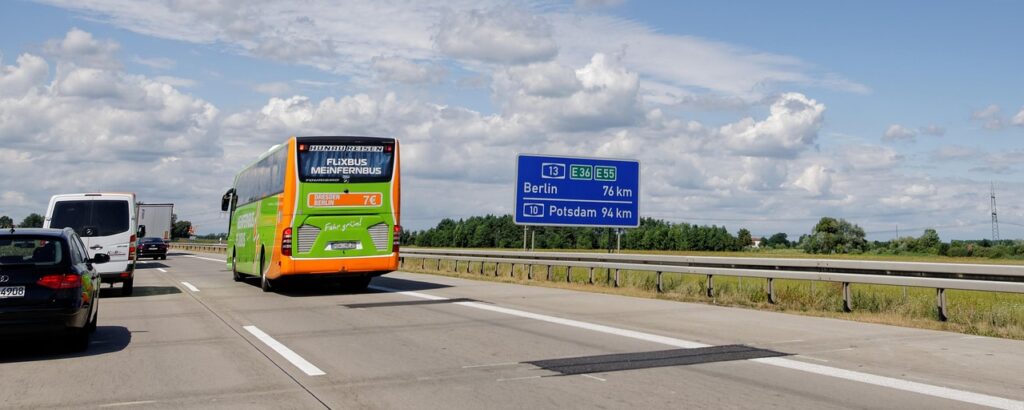
- FlixBus (website and app): covers most major domestic and international routes. Pay by card or PayPal. Fares are often shown in euros and timetables are precise.
- Arriva (www.arriva.com.hr): a local operator that runs many domestic lines. Handy for Zadar–Plitvice and Rijeka–Plitvice connections.
- Autotrans (www.autotrans.hr): regular lines, tickets often also available at station counters.
- Bolt/Google Maps/rome2rio: useful to check travel times and spot intermediate stops.
How to compare routes:
- Open FlixBus and Arriva, enter your departure city and « Plitvička Jezera » as the destination.
- Select the date and compare departure/arrival times, trip duration, number of stops and price.
- Check the final stop: « Plitvička Jezera (Ulaz 1 / Ulaz 2) », « Plitvica Selo » or « Autocamp Korana ». If the stop is not Entrance 1 or 2, note the distance and transfer options (taxi, shuttle, walk).
- Read recent reviews (Google/TripAdvisor) about the chosen line’s punctuality, especially in high season.
Typical schedules observed:
- High season (June–August): several direct buses between 06:30 and 11:30, returns between 15:00 and 20:00.
- Shoulder seasons (Apr–May, Sep–Oct): 1 to 3 buses per day depending on departure city.
- Low season (Nov–Mar): reduced services, sometimes only via Zagreb with a transfer.
Step 3 — Book step by step: online purchases, ticket offices and payment tips
Booking online is usually the simplest and cheapest option. Here’s the step-by-step process (FlixBus method, which is broadly representative):
- Go to https://www.flixbus.com or open the FlixBus app.
- Enter « Zagreb » (or your departure city) as the origin and « Plitvička Jezera » as the destination. Choose the date.
- Pick a time with the exact final stop. Check the duration and price, then click « Book ».
- Enter passenger details (full name, email, phone). On FlixBus the ticket is tied to the name but generally not to passport numbers; keep the confirmation email.
- Pay: bank card (Visa/Mastercard), PayPal or sometimes Apple Pay. Prices display in euros. Save the PDF or a screenshot of your ticket.
If you prefer buying in person:
- You can buy tickets at the station counter (Zagreb: Avenija Marina Držića 4). Buying at the desk is handy if you have questions or are traveling the same day.
- Ticket office hours (indicative): usually 05:00 – 23:00 at main stations. There’s no large international ticket office at Plitvice itself; it’s best to buy beforehand.
Payment and safety tips:
- Book at least 48–72 hours in advance during high season to secure a seat and avoid price spikes.
- Keep a PDF and a paper copy of your ticket. On some buses the inspector may ask for ID in addition to the ticket.
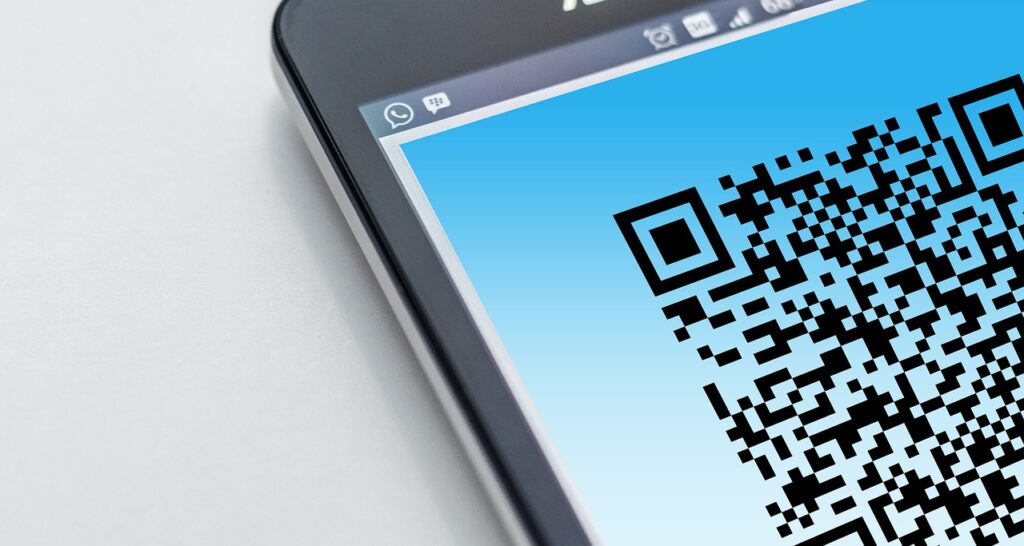
- If you have a QR code, test it on your phone before departure to make sure it displays correctly (brightness, network).
Step 4 — On the travel day: boarding, comfort and arriving at Plitvice
On D‑day: follow these practical steps for a stress-free trip.
- Arrive 30–45 minutes before departure at the bus station (for example Avenija Marina Držića 4 in Zagreb). International buses often leave from the central platform; find the departures board.
- Have your ticket (PDF or printed) and a form of ID ready. Show them to the driver or inspector if requested.
- Luggage: most coaches have an underfloor compartment. Tag your bags and keep any baggage claim ticket if one is issued.
- During the trip: pack water, snacks, a phone charger and a light jacket — temperatures by the lakes can be cooler than in the city.
Arriving at Plitvice:
- Common stops include: « Plitvička Jezera – Ulaz 1 », « Plitvička Jezera – Ulaz 2 », « Plitvica Selo », « Autocamp Korana ». If your bus stops at « Autocamp Korana », ask whether there’s a free shuttle or a walking path to the entrance you want.
- Key distances to remember: Entrance 1 (Ulaz 1): Ul. Josipa II. 1, 53231 Plitvička Jezera — gives direct access to the main circuits. Entrance 2 (Ulaz 2): Ulaz 2, 53231 Plitvička Jezera — better for loop routes and for starting at the upper lakes; it’s usually less busy in the morning.
- Quick check: note the time of the last return bus posted at the stop. In high season extra buses may be added, but in low season be extra cautious.
Step 5 — Extras: parking, shuttles, entrance fees and quick routes
Once you’re in the village or at the stop, sort out park entry and your final transfer:
- Exact entrance addresses:
- Entrance 1 (Ulaz 1): Ul. Josipa II. 1, 53231 Plitvička Jezera. Ideal for shorter panoramic routes (Veliki Slap). Paid parking is adjacent.
- Entrance 2 (Ulaz 2): Ulaz 2, 53231 Plitvička Jezera. Better for loop circuits and to start the visit from the upper lakes.
- Indicative park fees (in euros, vary by 2024 season):
- Low season (Nov–Mar): around €8 – €12 adult
- Shoulder season (Apr–May, Sep–Oct): around €15 – €20 adult
- High season (Jun–Aug): around €30 – €40 adult
- Internal park shuttles: there are bus shuttles and electric boats included in certain circuits — check local timetables on site (often every 15–30 minutes at key points).
Quick itineraries depending on time available:
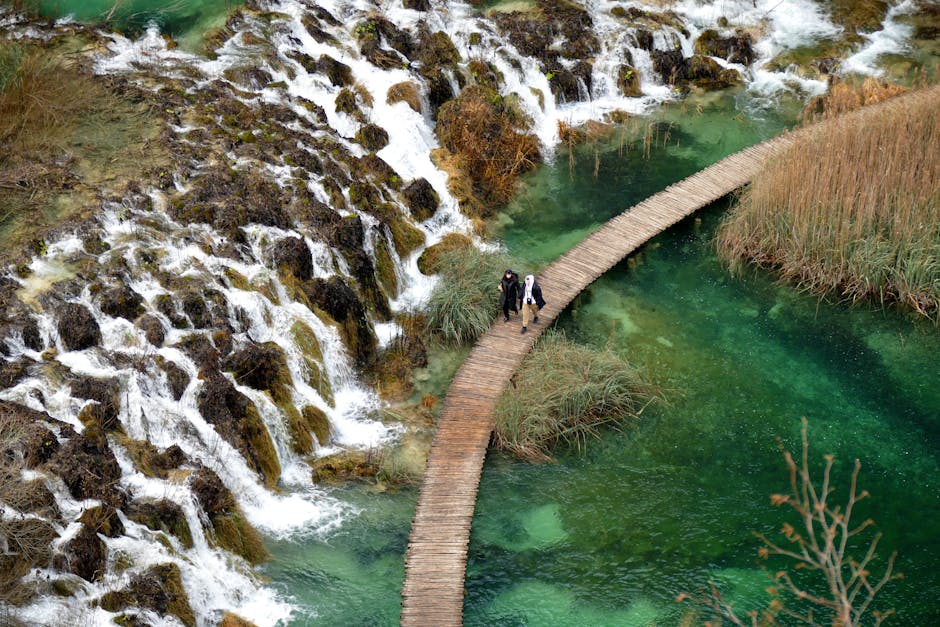
- 2–3 hour visit: Entrance 1 → path to the Big Waterfall (Veliki Slap) → wooden boardwalk → boat (if included) → return.
- Full visit (4–6 hours): Entrance 2 → northern loop → boat → southern paths → highlight waterfalls and turquoise lakes.
Local tips:
- Buy your park ticket online if you visit in high season to skip queues. The park limits the number of visitors during peak hours.
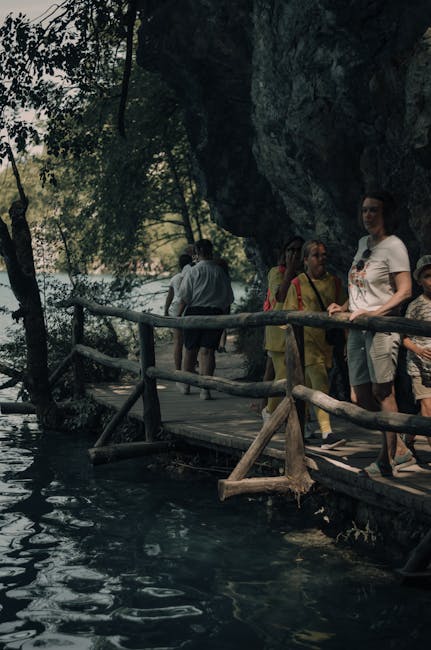
- Wear waterproof shoes and bring a windproof jacket — the wooden walkways can be slippery and the waterfall spray is refreshing but can be chilly.
- Restaurants and kiosks near the entrances accept cards and cash; keep about €10–€20 in cash for snacks and drinks if you want to avoid lines.
Conclusion: final checklist and practical recommendations
To wrap up and make sure everything runs smoothly, here’s a complete checklist to review before you leave:
- Booking: bus ticket printed or PDF on your phone, correct name and times.
- Documents: ID or passport, bank card (just in case), hotel confirmation if needed.
- Luggage: daypack, luggage tags, payment for checked bags if required.
- Gear: waterproof shoes, rain jacket, power bank, reusable water bottle, sunglasses.
- Money: €10–€50 in cash for snacks, shuttles, toilets or souvenirs, card for larger payments.
- Timings: arrive 30–45 minutes before bus departure, note the last return bus time.
- Plan B: local taxi number (e.g. Taxi Plitvice +385 (0)53 752 000) or the address of nearby accommodation by Entrance 1/2.
Final recommendations:
Booking your bus to the Plitvice Lakes is straightforward if you follow the steps above: pick the right station, compare offers on FlixBus/Arriva/Autotrans, book at least 48 hours ahead in high season, print or save your e‑ticket and allow enough time for boarding. Stops are usually clearly marked but can vary by operator — always double-check whether the stop corresponds to Entrance 1 (Ulaz 1) or Entrance 2 (Ulaz 2): Ul. Josipa II. 1, 53231 Plitvička Jezera for Entrance 1 and Ulaz 2, 53231 Plitvička Jezera for Entrance 2. Follow these steps and you’ll arrive relaxed and ready to enjoy one of Europe’s most beautiful parks. Safe travels and enjoy the Plitvice Lakes!