





Introduction — Plitvice Lakes Nature Retreat: Cabins, Ecolodges & Full Immersion
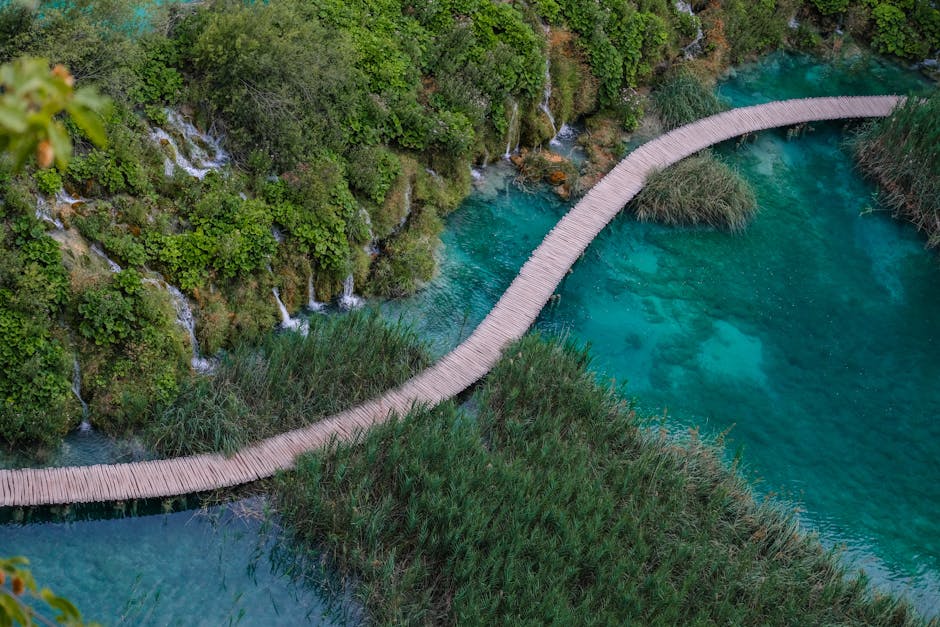
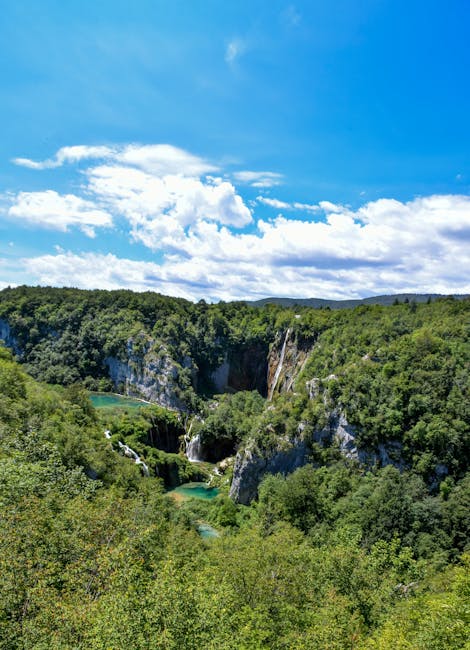
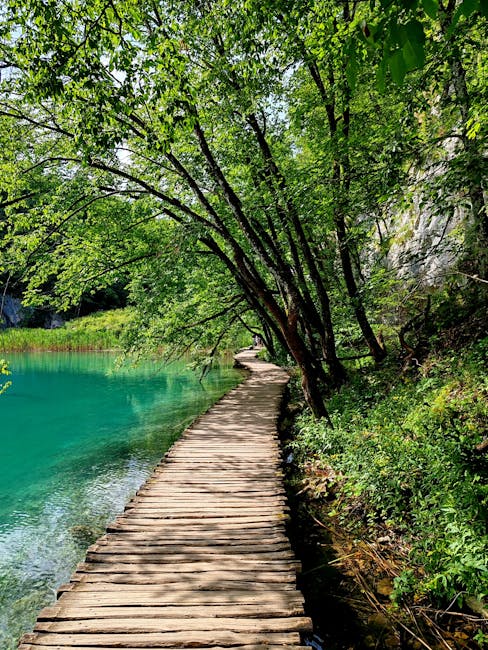
The Plitvice Lakes (Nacionalni park « Plitvička jezera ») are one of Europe’s most picture‑perfect and ecologically sensitive wonders. Nestled in central Croatia at the meeting point of mountain ranges and limestone valleys, this UNESCO World Heritage park features a chain of 16 turquoise lakes linked by waterfalls, ancient woodlands and wooden walkways that invite a full sensory immersion. A nature retreat at Plitvice is more than ticking off the waterfalls: it’s about choosing accommodation that respects the environment and extends the experience—wooden cabins, ecolodges and small family farms—and exploring the park at different times of day: dawn, dusk, or even on a guided night visit.
This practical guide, written for the mindful traveler, outlines accommodation options near and inside the park, explains essential logistics (entrance fees, opening hours, access), describes the locations in detail and shares local tips to fully enjoy the tranquility and biodiversity. You’ll find suggestions for wooden cabins (rustic family cottages and modern chalets), sustainable ecolodges (dry toilets, solar energy, local sourcing), and itineraries ranging from half‑day immersions to multi‑day stays. The aim: help you pick lodging that balances comfort, eco‑awareness and proximity to trails so you can respect the park’s rhythm and avoid peak crowds.
We’ve included exact addresses, price ranges in euros, key time slots (entry times, internal shuttles), and practical advice—how to book, when to visit by season, what to pack for an overnight in a cabin, and how to minimize your footprint. The guide also suggests options for travelers seeking authenticity: small family-run places, guest tables serving Croatian mountain-influenced specialties, and complementary activities (guided hikes, birdwatching, sunrise photography tours).
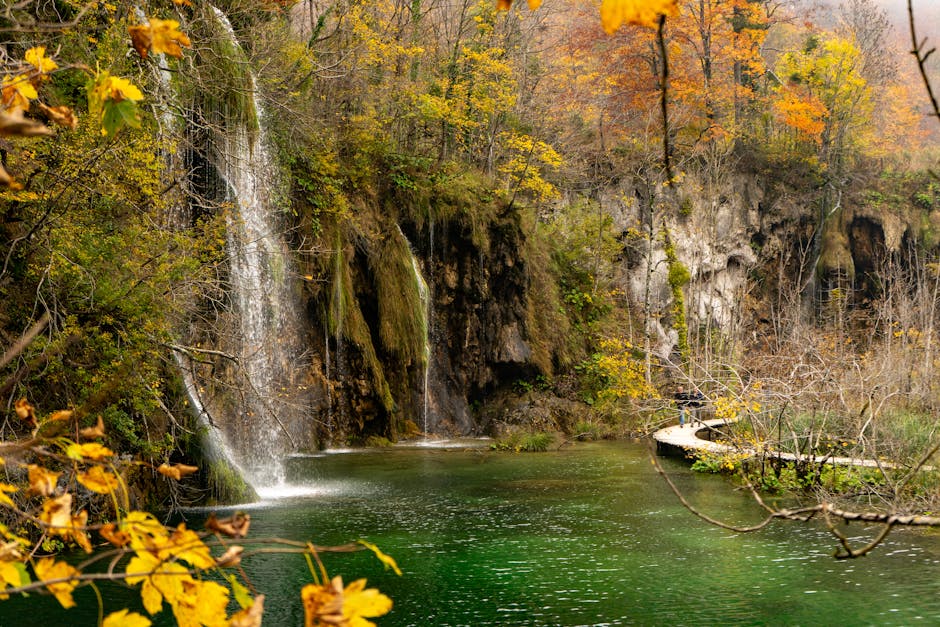
Before diving into accommodation and planning, keep these principles in mind: book through official sites or reputable platforms, follow park rules (stay on the paths, don’t feed wildlife), and have backup plans for unstable weather—the mountain climate can turn a dry trail into a muddy slog within hours. Also consider timing: spring and autumn offer dramatic water levels and colors, summer brings long warm days and more visitors, and winter turns the park into a fairy‑tale icy landscape—perfect for a secluded cabin stay.
Accommodation 1 — Cabins and Chalets Near the Entrances: Rustic Comfort & Quick Access
If you want immediate access to the trails and the park’s main entrances, cabins and chalets in the villages of Plitvička Jezera, Mukinje and Poljanak are a practical choice. These places are often just a 5–15 minute drive from the park gates and are great for families, small groups and hikers who want to start early to beat the crowds. Notable options include:
- Ethno Houses Plitvice (Etno Selo Plitvice)
Address: Grabovac 27, 53231 Plitvička Jezera, Croatia.
Description: A cluster of traditional wooden cottages with equipped kitchens, living rooms and terraces. Family‑friendly layout, local decor and small gardens. Easy access to the park shuttles.
Indicative price: from €85 / night for a 2‑person cottage (shoulder season), €120–180 / night in high season (July–August).
Tips: book at least two months ahead for summer. Cottages typically provide private parking. - Holiday Home Lika Plitvice
Address: Josipa Kozarca 32, 53231 Plitvička Jezera, Croatia (area near Entrance 2).
Description: Modern wooden chalets with central heating, BBQ facilities and family rooms. Great for longer stays and self‑catering (local markets nearby).
Indicative price: €75–140 / night depending on size and season.
Tips: ask for a forest‑facing room for extra quiet; check Wi‑Fi if you plan to work remotely.
Comfort and convenience: many of these cabins include kitchens, perfect for sampling local produce from markets (Lika cheeses, local honey, cured meats). Getting an early start lets you reach one of the two main park entrances (Entrance 1 or Entrance 2) before the tourist buses arrive. Accessibility: most cabins offer free parking and some hosts can help organize transfers from bus stations or airports (Zadar Airport ~120 km, Zagreb Airport ~130–150 km depending on route).
Practical timing: if you’re staying near the entrances, aim to leave around 07:00–07:30 in high season to catch the morning light and enjoy a quieter park. Main trails typically open with the park (see fees & hours section). For late‑night departures (stargazing or moonlit photography), check with your host about local parking and safety rules.
Accommodation 2 — Ecolodges and Sustainable Stays: Responsible Immersion
If you’re aiming for a low‑impact immersion, prioritize ecolodges and properties committed to sustainability. These places emphasize local resources, energy efficiency and offer educational experiences (biodiversity workshops, guided hikes with a naturalist). Representative examples near Plitvice include:
- Eco Lodge Grabovac
Address: Grabovac 46, 53231 Plitvička Jezera, Croatia.
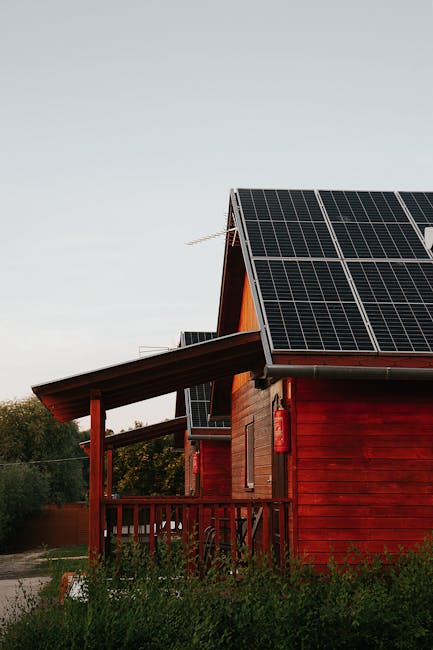
Description: Small ecotourism‑certified property with isolated wooden cabins, solar panels, wood heating systems and low‑water toilets. The focus is on sourcing local produce and serving organic meals made on site.
Indicative price: €95–160 / night (double room or small cabin), half‑board available for an extra €18–30 / person.
Services: workshops on local flora, guided night walks, transfers to the trailheads. - Ecolodge Plitvice Artist Retreat
Address: Mukinje 15, 53231 Plitvička Jezera, Croatia.
Description: A creative blend of art workshops and ecology, small wooden houses, seasonal vegetarian menus and classes in bird and plant identification. Calm, restorative atmosphere.
Indicative price: €110–200 / night with workshops available on request.
Tips: ideal for creative travelers and those seeking a slow immersion. Plan 2–3 nights to fully enjoy the activities.
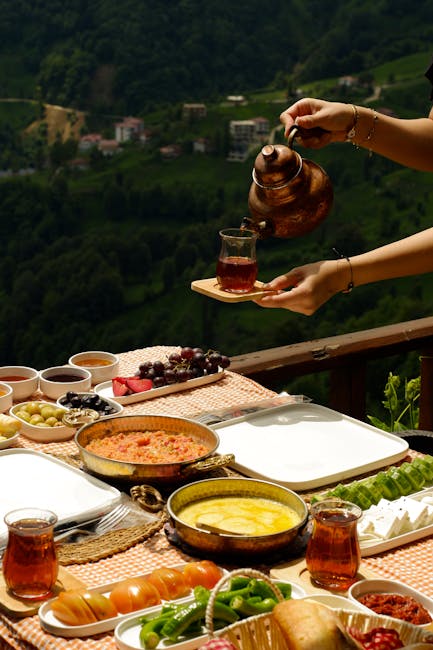
Why choose an ecolodge: beyond comfort, these venues offer real contact with local producers—farmers, beekeepers and naturalist guides. You’ll learn to identify tree species (beech, fir, maple), understand travertine’s role in waterfall formation, and spot elusive wildlife (martens, roe deer, occasionally beavers or otters depending on the season). Ecolodges often serve meals by reservation—typical plates might include štrukli (a local cheese pastry), homemade bread, charcuterie and seasonal vegetables.
Practical tips: check whether the ecolodge provides hot showers around the clock (off‑grid facilities may limit hot water), whether breakfast is included and if the property helps secure park tickets (some accommodations have quotas or partnerships that guarantee early entry). Bring a headlamp for nights in remote cabins and ask your host for a trail map.
Accommodation 3 — Inside the Park: Hotels and Onsite Options for Full Immersion
Staying inside or immediately next to the park boundary gives you direct access to the lakes at opening or sunset, when light is at its best and crowds thin out. Options include historic hotels and small properties offering modern comforts, often right by the official park entrances.
- Hotel Jezero
Address: Josipa Kozarca 29, 53231 Plitvička Jezera, Croatia (located on the side of the large Prošćansko Lake / near Entrance 2).
Description: A 3‑star hotel operated by the park management, rooms with lake views, on‑site restaurant serving local dishes, shuttle service to Entrance 1 and Entrance 2.
Indicative price: €70–150 / night depending on season and room type.
Hours: reception typically open 07:00–22:00 (check for late arrivals). Restaurant usually 07:00–21:00 in high season.
Tips: great for avoiding early morning drives; some rooms offer direct views over the calm waters. - Hotel Plitvice
Address: Plitvica 1, 53231 Plitvička Jezera, Croatia (near Entrance 1).
Description: Comfortable hotel with a spa, guided tour bookings and private parking. A good base for the park’s electric boat trips.
Indicative price: €80–170 / night (breakfast often included).
Services: spa, bike rentals, airport transfers on request.
Tips: a spa can be a major plus after a long day of hiking.
Park access and hours: Plitvice Lakes National Park (Nacionalni park « Plitvička jezera ») is reachable through several entrances; the two main ones are Entrance 1 (near Hotel Plitvice, north side) and Entrance 2 (near Hotel Jezero, south side). Opening hours vary by season: generally open year‑round with hours between 07:00 and 19:00 in high season (May–September) and reduced winter hours (around 08:00–16:00). Entrance fees (indicative 2024): adults €32–42 in high season (April–October), €8–20 in low season (November–March). Exact rates and possible charges for electric boats and internal shuttles are listed on the park’s official site (np-plitvicka-jezera.hr); in peak months, tickets are often time‑slot limited—book online in advance.
Accommodation 4 — Activities, Routes and Local Tips for a Deep Immersion
A successful nature stay at Plitvice Lakes comes down to choosing activities and routes that match your fitness and interests. Here are concrete suggestions with practical timing so you can make the most of your visit.
- Classic route (half‑day, 3–4 hours): Start at Entrance 1 at 07:30, loop A + electric boat (total 3–4 hours). This route showcases the main falls, the Great Canyon and crosses Lake Kozjak by boat. Bring sturdy walking shoes, a water bottle and a windbreaker. Advantage: ideal for early morning visits before buses arrive.
- Big loop (full day, 6–8 hours): Combine trails A, B and C for forest hikes, an ascent to the viewpoint and visits to the lower and upper lakes. Pack a picnic lunch (authorized eating spots: marked rest areas), spare clothes and a tripod for photography.
- Intimate hike (2 days): Overnight in a cabin or ecolodge nearby, spend the first evening at the lower lakes for sunset and the next morning exploring higher vantage points (best light). Tip: staying close enables a sunrise photo session at Lake Kozjak. Book early‑morning tickets where possible (high season tickets may have dated time slots).
- Birding and wildlife watching: Best times are early morning and late afternoon. Bring binoculars, keep your distance and use silent camera settings. Local guides can arrange dedicated outings—typical rates €30–60 / person for 2–3 hours depending on guide and group size.
Local practical tips:
- Tickets & timing: buy on the park’s official website (np-plitvicka-jezera.hr) or at a physical booth—but expect queues; in high season time‑slot tickets (e.g. 08:00–09:00) sell out quickly. Indicative 2024 prices: adults €32–42 (high season), €8–20 (low season). Free/discounted entry: children under 7 often free, concessions for students and seniors—check the official site for exact rules.
- Transport: paid parking is available near the entrances (around €6–10 / day depending on season). Local shuttles and buses run from Korenica and the town of Plitvička Jezera; private transfers from Zadar or Zagreb cost roughly €100–180 depending on vehicle and season.
- Safety: stay on the wooden walkways (leaving them is prohibited), follow signs, no swimming in the lakes (strictly forbidden, fines possible); in winter icy conditions can make the boardwalks slippery—wear appropriate footwear.
- Best period: May–June and September–October balance water levels, color and visitor numbers. Winter (December–February) offers spectacular frozen scenery but some roads and services may be limited.
Conclusion — Preparing Your Stay and Extending the Experience
A nature retreat at Plitvice Lakes is fundamentally an encounter with a living landscape: water sculpts the terrain, travertine builds the falls, forests shelter life and wildlife reflects a delicate balance. To get the most from this experience, choose accommodation that fits your priorities—cabins near the entrances for convenience, an ecolodge for sustainability, or a hotel inside the park for maximum comfort and immediate access. The addresses listed (Grabovac 27, 46; Josipa Kozarca 29–32; Mukinje 15; Plitvica 1 — all in postal code 53231 Plitvička Jezera) put you a short distance from the trails and make activities easy to organize.
Plan ahead: book park tickets through the official Plitvice Lakes National Park website (np-plitvicka-jezera.hr), check seasonal opening hours (generally 07:00–19:00 in high season, reduced hours in winter) and reserve accommodation early if you’re traveling between May and September. Budget realistically: adult entrance fees around €32–42 in high season (estimate 2024), €8–20 in low season; accommodation €70–200 per night depending on comfort and eco credentials; guided activities €30–60 / person for specialized tours.
Respect and immersion: be a responsible visitor—stay on marked trails, don’t pick plants, don’t feed wildlife and minimize waste. Support local providers (family‑run stays, guest tables, local guides) so tourism benefits the community directly. For a deeper immersion, opt for an overnight in a cabin or ecolodge: the magic of the park at sunrise or under golden dusk light will reward you with unforgettable, quieter moments beyond a few hours of sightseeing.
To extend your trip, explore the Lika region (Croatian mountain cuisine, hikes, small villages), visit Korenica for local markets, and if time allows, combine the trip with the Adriatic coast (Zadar, Šibenik) for a sea‑to‑mountain contrast. Choosing a cabin or ecolodge near Plitvice Lakes isn’t just a place to sleep—it’s a promise of deep immersion, slowness and a reconnection with landscapes that deserve time and respect to reveal themselves fully.