





Introduction — Why solo ride-sharing to Plitvice deserves a second thought
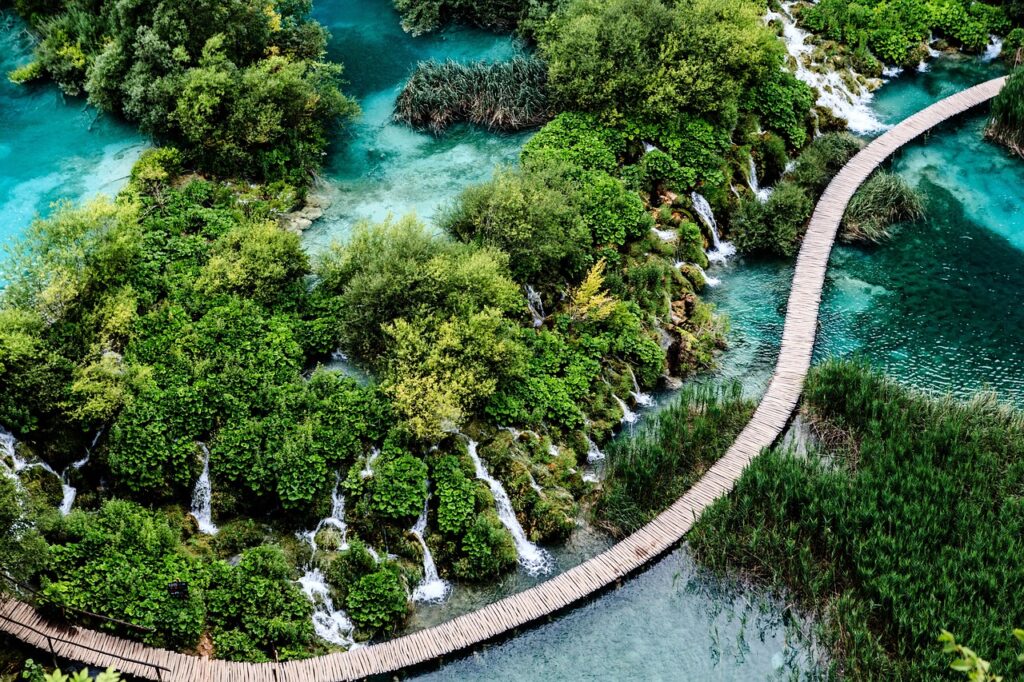
Plitvice Lakes National Park, known in Croatian as Plitvička Jezera, is a tangle of turquoise lakes, curtain-like waterfalls and wooden boardwalks that draws hundreds of thousands of visitors every year. The experience tends to follow a familiar script: arrive, buy your ticket, follow the marked trails, hop on the scenic boat and stare up at Veliki Slap. But one logistical question keeps coming up in travelers’ stories: how do you get to the park from the airports — Zagreb (Franjo Tuđman Airport, Ulica Rudolfa Fizira 1, Zagreb 10150) or Zadar (Zadar Airport, Obala javnih ljetovališta 4, Zadar 23000) — without ending up exhausted, isolated or delayed?
The dilemma is especially relevant for solo travelers: should you pay extra for a private transfer or accept waiting and using cheaper shared options? In this comparison I pit two choices against each other that solo travelers face regularly: paying more for a private/premium ride (Option A) or choosing budget collective options (Option B), like the regional bus, shared minibuses or official shuttles from the bus stations.
I’ll evaluate both choices across four objective criteria: price, duration, comfort and convenience. You’ll get exact addresses — including the park entrances (Entrance 1: Ul. Josipa Broza Tita 2, 53231 Plitvička Jezera; Entrance 2: Ul. Fra Jure Radića 1, 53231 Plitvička Jezera) — sample prices in euros, typical schedules, immersive tips to make the most of your visit, and verdicts tailored to different traveler profiles: budget backpacker, professional photographer, solo female traveler, family with kids, traveler with reduced mobility, etc.
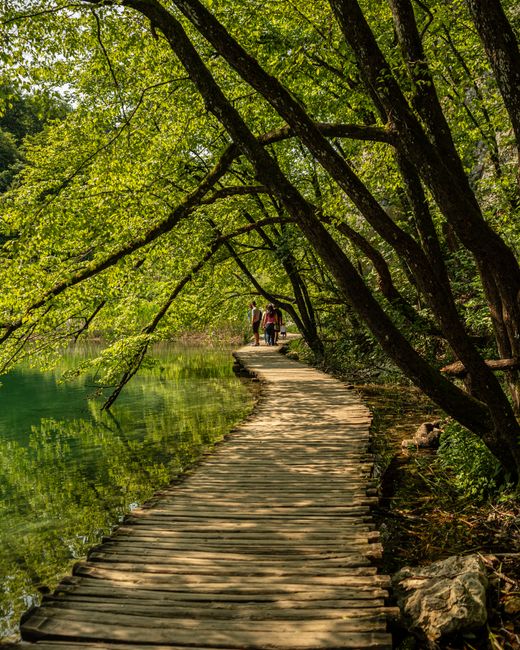
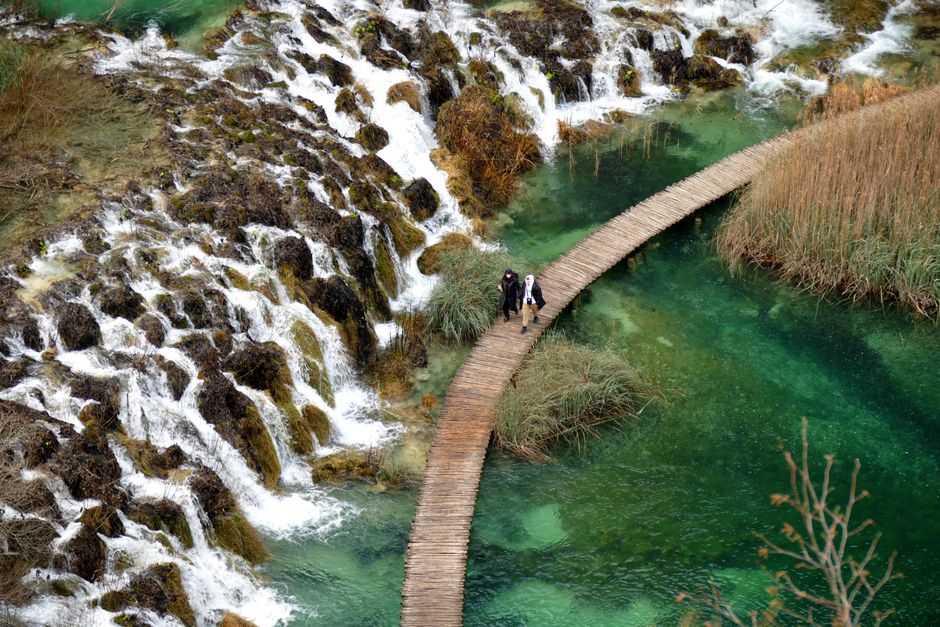
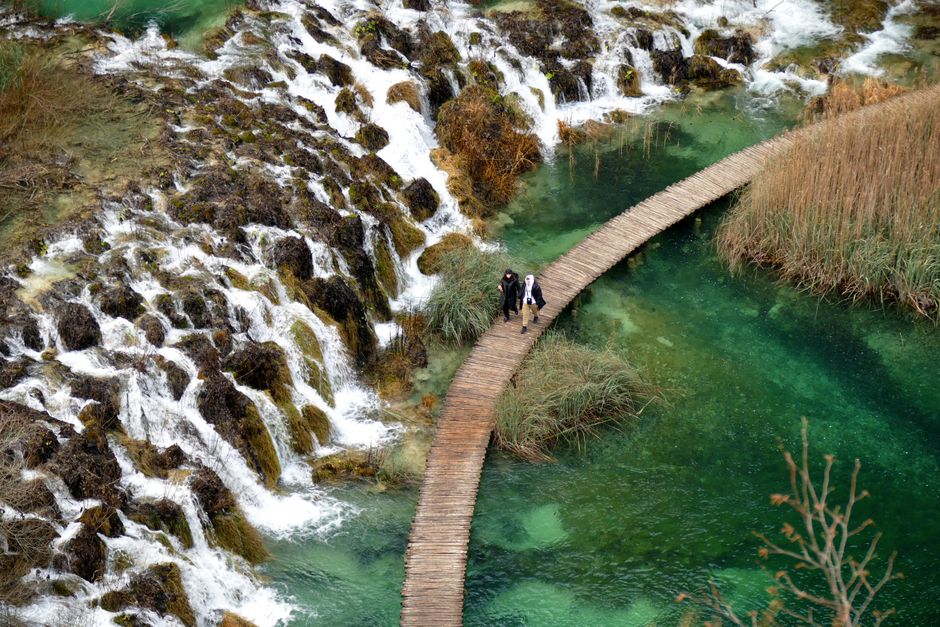
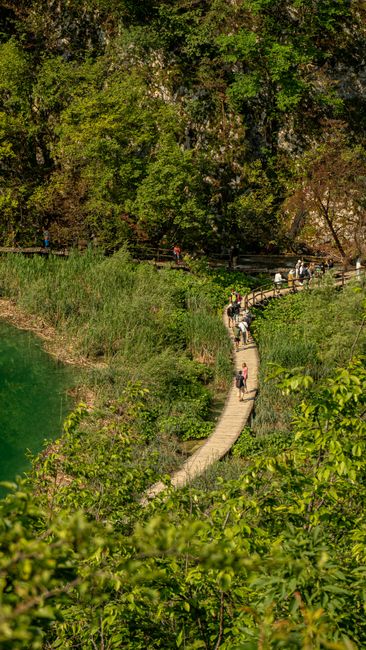
I’ll also share local tips — when to arrive during the day to avoid peak flows, how to split your time between Entrance 1 (upper sector and the falls) and Entrance 2 (lower sector and the lower lakes), where to stash your bag, and how to haggle for a ride if needed. Descriptions will be sensory: you’ll picture morning mist over the lakes, droplets pattering on the boards and the resin scent of pine. Finally, since visuals help decision-making, I’ve sprinkled image cues to help you anticipate the landscape.
Option A — Pay more: private transfer or premium ride-share (pros and cons)
Option A covers private transfers, pre-booked taxis or premium ride-shares from providers who guarantee punctual pickup from a specific address (airport, bus station, hotel) to one of the park entrances. To give a representative example: a private transfer from Zagreb Airport (Franjo Tuđman Airport, Ulica Rudolfa Fizira 1, Zagreb 10150) to Plitvice Lakes National Park (Entrance 1: Ul. Josipa Broza Tita 2, 53231 Plitvička Jezera) typically costs around €80–€120 for a car carrying 1–3 passengers in high season. For a minibus (4–8 passengers) prices can reach €140–€220, which becomes reasonable per person if you find travel companions.
Advantages:
- Punctuality and flexibility: pickup at the exact time you specify (e.g. 07:30 so you arrive before the park opens at 08:00 in high season).
- Direct route: dropped off at the entrance you chose (Entrance 1 or Entrance 2) with no intermediate stops, often saving 30–60 minutes compared to regular buses that make several stops.
- Safety and comfort: air-conditioned vehicle, space for luggage, a chance to rest between flights and hikes, and the option of music or quiet — whatever you prefer.
- Local tips: drivers often know the best routes, approximate boat timetables (boat service roughly 09:00–16:00 depending on season) and tricks to avoid the crowds.
Disadvantages:
- High cost: if you’re strictly solo, paying €80–€120 for one seat is hard to justify.
- Less interaction: unlike a shared minibus, you won’t have fellow travelers to swap plans with or share photos.
- Limited availability: in peak season you’ll often need to book 48–72 hours in advance to secure a car at the listed price.
For short local trips (for example 15–20 km from the small village of Mukinje to Entrance 1), a private transfer can cost about €25–€40; for a long haul such as Zagreb → Plitvice (roughly 130 km), expect €80–€120. Ideal pickup windows are 06:30–08:30 to arrive before the rush, and 16:00–18:00 if you want golden-hour light for photos.
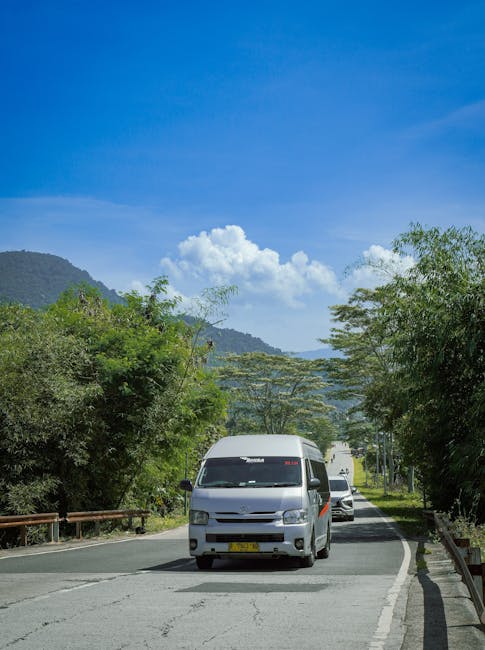
Option B — Budget: regional buses, shared shuttles and informal ride-shares
Option B includes budget solutions: intercity buses (Autobusni kolodvor Plitvička Jezera — the Plitvice bus station, Ul. Titova 10, 53231 Plitvička Jezera), public shuttles from Zadar or Zagreb, and ride-share apps or informal lifts shared with others. Typical prices: a regional bus ticket Zagreb → Plitvička Jezera is roughly €18–€22; Zadar → Plitvička Jezera around €8–€12; an airport → park shuttle may be €20–€30 if booked as part of a group. Informal ride-shares (posted in hostels or Facebook groups) can sometimes be free or ask for a contribution of €5–€15.
Advantages:
- Low cost: perfect for tight budgets; you’ll pay far less than a private transfer.
- Social opportunities: great way to meet other travelers, swap plans and sometimes split the fare.
- Frequency: in high season extra buses and shuttles are often scheduled. For example, Zagreb → Plitvice connections often depart around 07:00, 09:00, 13:00 and 17:00 (approximate times; check with the bus station).
Disadvantages:
- Longer and less predictable travel time: multiple stops and detours, waiting at the station or meeting point; a trip that takes 2 hours by private car may take 2h45 by bus.
- Reduced comfort: buses can be packed in summer, luggage might be piled up, and you have no control over air-conditioning.
- Timing with park services: arriving by bus after 11:00 in high season means queues and less time on the trails.
Practical tip: if you choose Option B, plan to arrive at the entrance before 10:00. Boat services and the park’s electric train (which connects upper and lower sectors) concentrate between 09:00 and 16:00; after 16:00 frequencies drop and you may wait 30–60 minutes. Also, for short local hops (Mukinje → Entrance 1 or Poljanak → Entrance 2) a locally negotiated taxi on-site can cost €10–€20 and serves as a mid-range alternative.
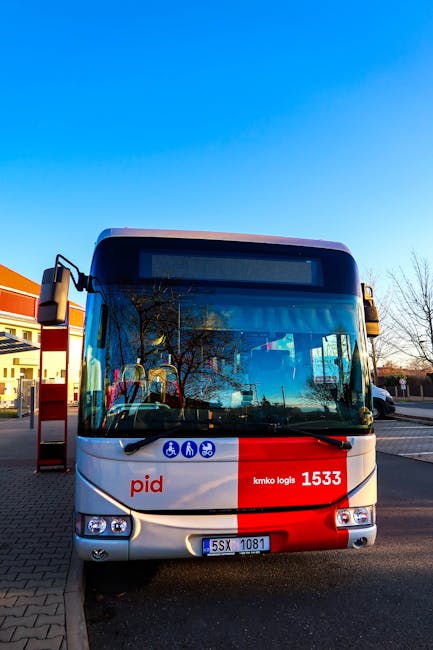
| Criteria | Option A | Option B |
|---|---|---|
| Price | €80–€120 (Zagreb→Plitvice private transfer) | €8–€22 (regional bus, shuttle, or shared ride) |
| Duration | ~2h (direct) | ~2h30–3h (multiple stops) |
| Comfort | High — private car, AC, luggage space | Medium — buses sometimes crowded, less space |
| Convenience | Very convenient — door-to-door, flexible timing | Convenient but less flexible — depends on bus schedules |
Detailed comparison by traveler profile and clear verdicts
The choice between paying more or going it alone depends heavily on your profile, tolerance for timing risk, budget and priorities once you’re there. Here’s a clear verdict tailored to each traveler type.
- Backpacker / budget traveler — Verdict: choose Option B. Why? You’ll save substantially (up to €70–90) — money you can spend on a local meal (e.g. trout fillet at Restaurant Licka Kuca, Ul. Veliki Slap 1, 53231 Plitvička Jezera, roughly €12–€18) or an extra night in a guesthouse like Guesthouse Galic, Ul. Slunj 22, 53231. Accept the longer trip, leave early and you’ll still get the full experience.
- Professional photographer / golden hour chaser — Verdict: Option A. Punctuality and the ability to arrive before dawn (05:30–06:00) justify the extra cost. The time saved lets you work the soft light over Veliki Slap and the upper lakes without the crowds.
- Solo female traveler (safety) — Verdict: it depends. If you’re arriving at night or late, prefer Option A for personal safety. During daytime, Option B is fine but opt for reputable shuttles or pair up with other travelers.
- Family with young children — Verdict: Option A. The added comfort (car seats, controlled stops) and the ability to handle strollers make the extra cost worthwhile.
- Traveler with reduced mobility or senior — Verdict: Option A. While some parts of Plitvice are accessible, there are stairs and slippery boards. A private transfer reduces fatigue and ensures direct access to the most suitable entrance (often Entrance 1 on days when the park shuttle is running).
Practical tips, schedules, addresses and local tricks to make the best decision
Useful addresses:
- Plitvice Lakes National Park — Entrance 1: Ul. Josipa Broza Tita 2, 53231 Plitvička Jezera, Croatia
- Plitvice Lakes National Park — Entrance 2: Ul. Fra Jure Radića 1, 53231 Plitvička Jezera, Croatia
- Plitvička Jezera Bus Station (Autobusni kolodvor Plitvička Jezera): Ul. Titova 10, 53231 Plitvička Jezera
- Franjo Tuđman Airport Zagreb: Ulica Rudolfa Fizira 1, Zagreb 10150
- Zadar Airport: Obala javnih ljetovališta 4, Zadar 23000
Typical schedules and park fees (indicative):
- Park opening hours: generally 07:00–20:00 in high season (May–Sept). In low season, 08:00–16:00. Check the official site before you go.
- Entrance fee in high season: around €40 for an adult; reduced rates for students and seniors. Prices vary by season and entry time (peak periods).
- Boat on Lake Kozjak: usually operates 09:00–16:00; frequency varies.
- Electric train / internal shuttle: higher frequencies in the morning and early afternoon.
Local tips:
- Arrive early (or between 15:30 and 17:00) to avoid the midday crowd. Best photos are at dawn or late afternoon.
- If you pick Option B and have luggage, leave it in a hostel locker (many guesthouses provide this) rather than dragging it onto the trails.
- Wear non-slip shoes: the boardwalks are often wet, even on dry days.
- Negotiate a return: if you took Option A but are leaving late, ask the driver if they can come back for a reduced fare instead of booking an ad-hoc transfer.
Conclusion — When paying more beats going it alone: summary and final recommendation
Choosing a solo ride to Plitvice is a pragmatic decision more than a statement. If you’re traveling with spare cash, short on time, value comfort or care about safety, paying more for a private transfer (Option A) is often the most rational choice. You save time, control your day better and arrive less stressed, which can turn a « fine » visit into a memorable one — especially if you’re targeting dawn or dusk for photography.
Conversely, if your priority is saving money, meeting other travelers and you have time to spare, Option B (regular buses, shuttles, budget ride-shares) remains smart. It requires patience and good planning (arrive early, book wisely), but it frees up your budget for local treats — meals, souvenirs or maybe an extra night in the area.
In short: for a time-pressed traveler who values comfort or safety, paying more is well worth it. For a budget-savvy traveler, sticking with collective options lets you enjoy Plitvice without breaking the bank — if you organize properly. Finally, don’t forget to check bus timetables and park services in the week before your trip: fares and frequencies change by season. Whatever option you choose, pack light, bring a lightweight rain jacket and leave time to lose yourself slowly on the boardwalks: it’s between mist and reflections that Plitvice truly reveals its magic.