





Introduction — Why taking the bus to visit Plitvice Lakes can be smarter than driving
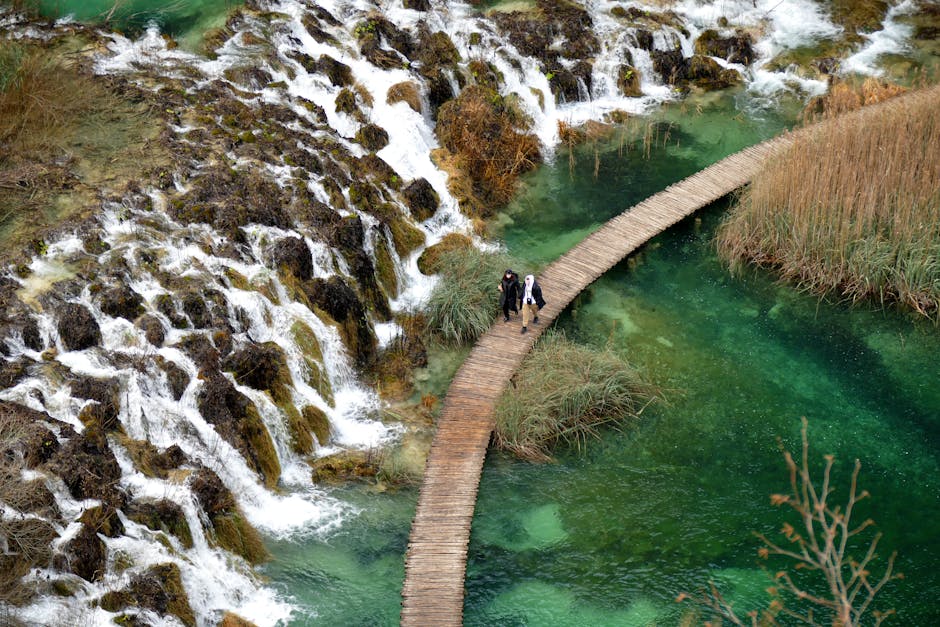
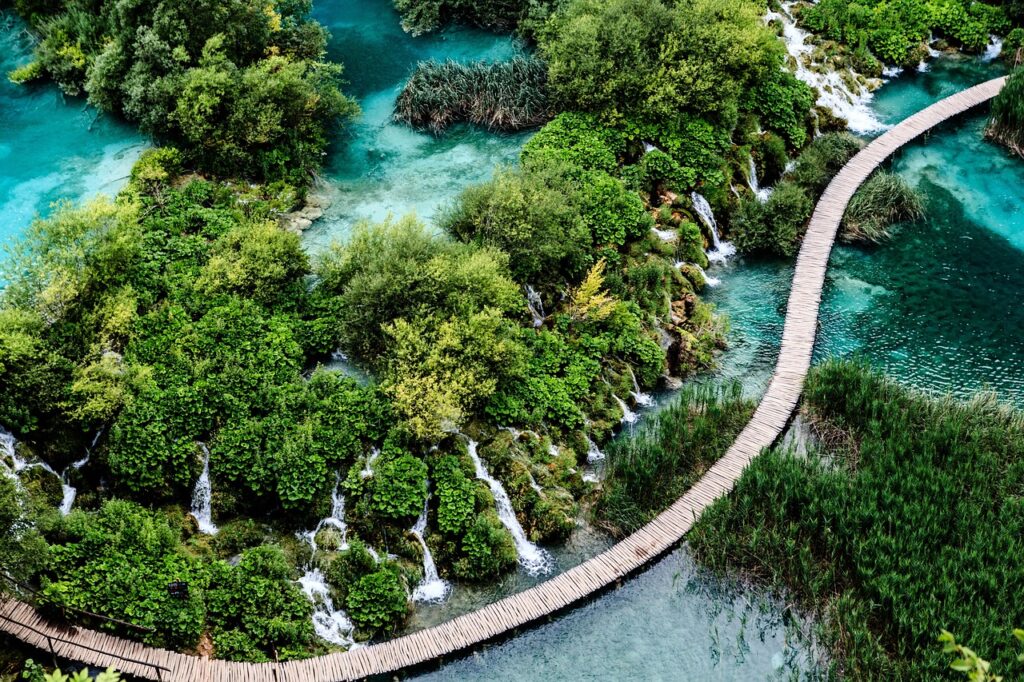
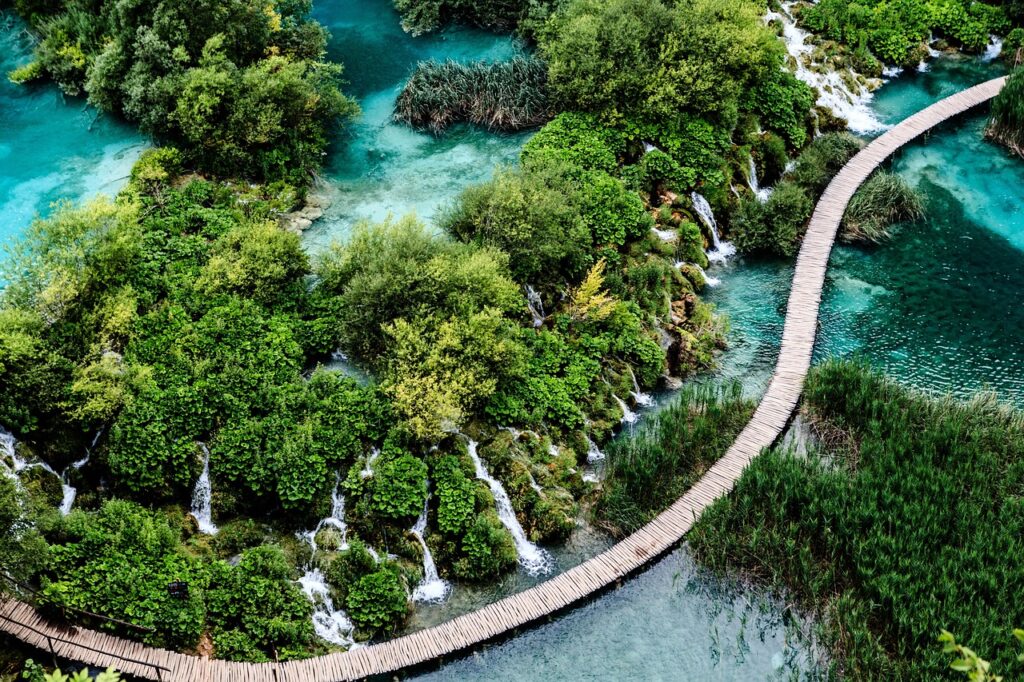
Plitvice Lakes (Plitvička jezera National Park) are one of Croatia’s natural crown jewels. Nestled in the Lika-Senj region, they attract thousands of visitors each year who come to admire a chain of turquoise lakes linked by waterfalls and wooden boardwalks. Given the tourism pressure and the ecosystem’s fragility, the choice of how to get to and around the park quickly becomes important. Many people pick a car for convenience — freedom to set your own schedule, ability to carry more luggage, and direct access to parking near the entrances. Yet taking the bus often proves the wiser option — but why exactly?
In this long guide, I’ll explain with addresses, indicative prices in euros, typical timetables and immersive descriptions why the bus can beat the car for visiting Plitvice Lakes. I’ll cover: access from major cities like Zagreb and Split, the ecological and practical benefits of public transport, on-site logistics (parking, shuttles, boats and the park’s internal electric train), local tips to get the most from your day, and tricks to avoid queues and hidden fees. The goal is to give you a complete, professional and detailed guide to help you make an informed, responsible choice.
Taking the bus first and foremost reduces your carbon footprint and helps protect a fragile UNESCO-listed site. It also avoids parking headaches at peak times — in high season official car parks (notably near Entrance 1 / Ulaz 1 and Entrance 2 / Ulaz 2) fill up quickly, and unauthorized parking can lead to fines. The bus also often offers unbeatable value: a shared trip usually costs far less than the combined expenses of fuel, tolls, parking and the hassle of driving on winding mountain roads.
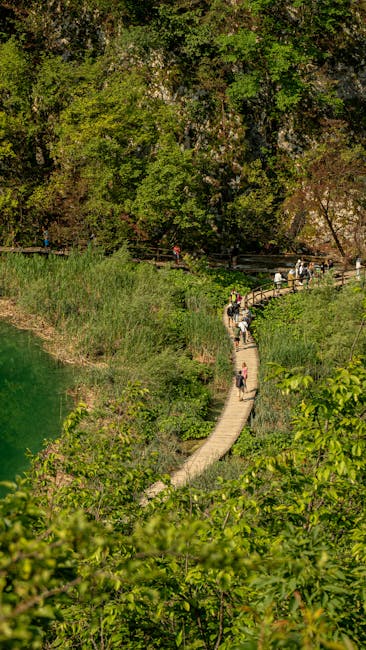
Finally, buses to Plitvice are not just a way to get there: they’re part of the overall experience. Coach operators run morning departures timed with park opening hours, and several lines serve the village of Plitvička Jezera and stops close to the park entrances. On site, the park’s internal shuttle system, the small train and boats connecting the different lake levels are generally included in the entrance fee, making public transport not only feasible but often more convenient than parking a car away from your intended route.
1. Getting there from major cities: routes, schedules and practical prices
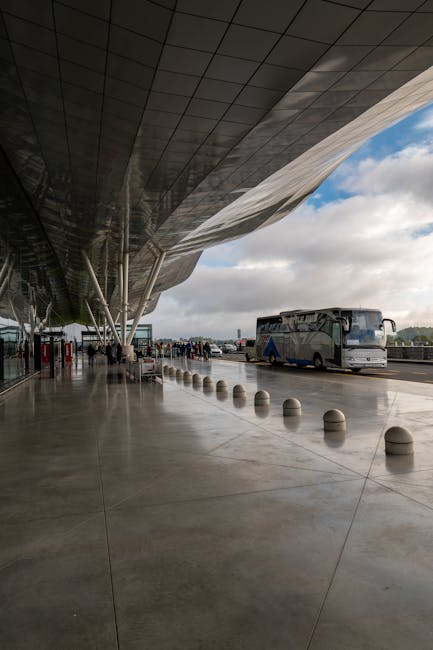
Getting to Plitvice Lakes by bus from main urban centers (Zagreb, Split, Zadar) is simple and affordable. Here are some typical routes, departure addresses and price indications in euros to help you calmly plan your trip:
- Zagreb → Plitvička Jezera: Departures from Autobusni kolodvor Zagreb (Zagreb Bus Station), address: Avenija Marina Držića 4, 10000 Zagreb, Croatia. Several companies run the route, including FlixBus and local operators. In high season (May–September), typical departures: 07:00, 09:00, 12:00, 15:00. Duration: roughly 2 h 15 – 2 h 45 depending on the route. Price: usually between €10 and €18 per person (cheaper if bought in advance online).
- Split → Plitvička Jezera: Departures from Autobusni kolodvor Split, address: Zagrebačka ul. 14, 21000 Split, Croatia. Frequent departures in high season around 06:00–08:00 and around midday, duration: 3 h to 3 h 30. Price: €15 to €25 depending on season and bus comfort.
- Zadar → Plitvička Jezera: Departures from Autobusni kolodvor Zadar, address: Domovinskog rata 17, 23000 Zadar, Croatia. Duration: about 1 h 30 – 2 h, price: €8 to €15.
Schedules vary by season and operator; check online on platforms like FlixBus, GetByBus, or the websites of local bus companies (for example Autotrans, Lika Express). Buying tickets online 48 hours in advance often guarantees the best price. Note that some direct buses stop at Plitvička Jezera – Autobusni kolodvor (the village); other possible stops include Entrance 1 (Ulaz 1) or Entrance 2 (Ulaz 2) depending on the service. On arrival you’re often a 5–15 minute walk from parking and the entrances, which is convenient for starting your visit early and avoiding the crowds.
2. Real savings: comparing costs for car vs bus (fuel, tolls, parking)
Breaking down real costs often highlights the bus’s financial edge. Take the example of a couple traveling from Zagreb: by car, consider round-trip fuel (approx. 250 km total, 7 l/100 km, fuel price ~€1.70/l), possible tolls and parking. Quick math: fuel ≈ €30 round-trip, tolls and miscellaneous ≈ €10–15, official parking at Plitvice ≈ €7–10 per day for a car (Parking on site – Ulaz 1 Parking, Plitvička Jezera, 53231, Croatia). Total ≈ €50–55 minimum.
By bus, for two people a Zagreb → Plitvička Jezera ticket at €12 per person comes to €24 one way, €48 round-trip. That’s often comparable or cheaper than driving, with the added benefit of avoiding driving stress and parking. If you’re traveling solo, the savings are even clearer. For groups of 3–4, driving may look more competitive, but remember to factor in vehicle wear and tear and the cost of a tired driver on the return journey.
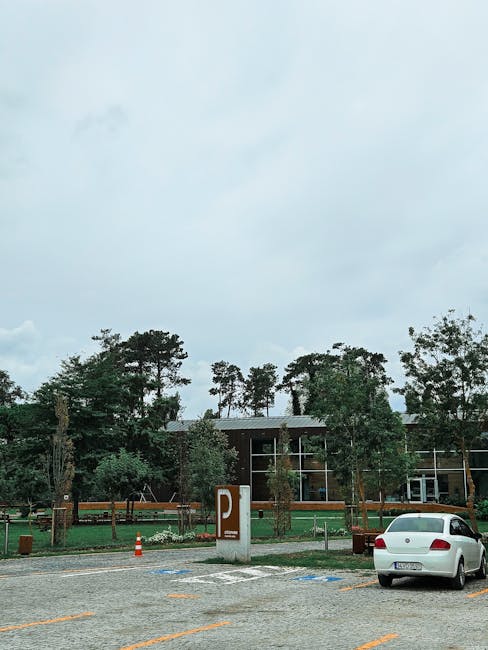
Other hidden costs to consider when driving: fines for unauthorized parking (up to €50–100 depending on the offense and municipality), and time lost hunting for a space in high season (that’s tourist time wasted). The bus usually drops you close to the entrance or the official shuttle stop — a significant time saving.
3. Comfort, safety and experience: how the bus can improve your visit
Beyond price, the bus brings concrete benefits to the quality of your day at the lakes. Driving on Lika’s winding roads can be tiring, especially on the way back: driver fatigue, reduced visibility at dusk, and heavy traffic in peak season. The bus lets everyone rest, enjoy the scenery, plan the route and chat without stress. Modern coaches offer air conditioning, often free Wi‑Fi, toilets on longer routes, and luggage storage — a welcome comfort for those traveling light or planning a day trip.
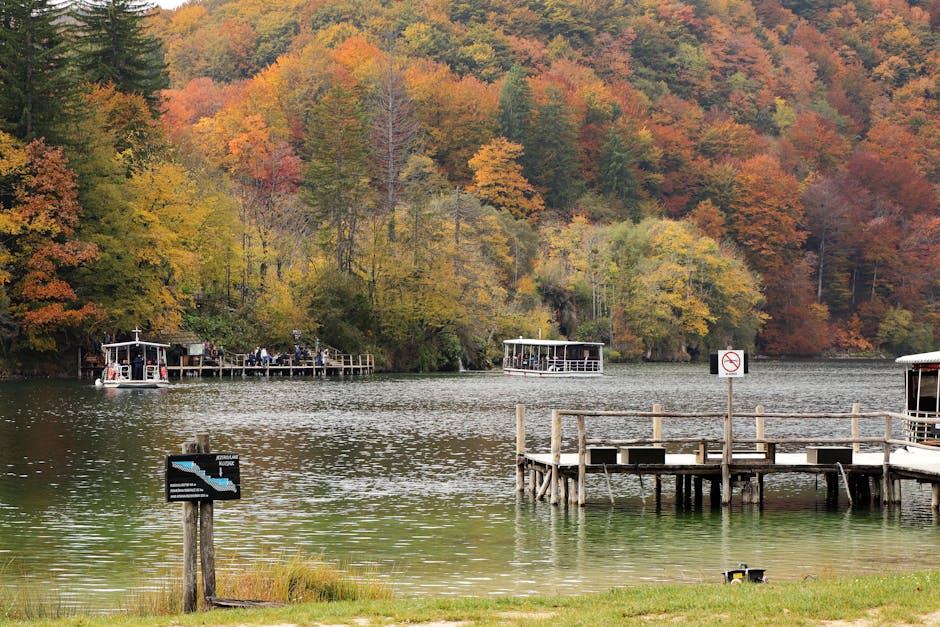
On site, the park’s internal transport network makes getting around much easier: the entrance fee (e.g. adults: about €15–40 depending on season — low season around €10–15, high season around €30–40; discounts for students and seniors with ID; children often free or reduced) generally includes electric shuttles, the boat between lower and upper lakes and sometimes the small train between entrances. Shuttles run regularly: for example, the boat on Lake Kozjak runs every 10–20 minutes in high season between 08:00 and 18:00; the internal electric train runs frequently between stations 1–2–3.
Local tip: arrive early (or book an early bus) to enjoy the best light and quieter paths. The first hours after opening (usually 07:00–08:00 in high season) offer unmatched tranquility and excellent photo opportunities. A bus arriving around 08:30–09:00 places you perfectly in the day, while a car can cost you time if you get stuck searching for parking.
4. Practical local tips for a successful day without a car
If you choose the bus, here are practical local tips to maximize your visit:
- Book early: Buy bus tickets online 48–72 hours in advance to get the best fares and secure a seat on your desired departure. Also check arrival times to sync with park opening hours.
- Park tickets: Buy Plitvička Jezera National Park tickets (Plitvička Jezera, 53231 Plitvička Jezera, Croatia) online via the park’s official site to avoid queues. Approximate prices: low season €10–15/adult, mid-season €20–30/adult, high season €30–40/adult. Opening hours: generally 07:00–19:00 (varies by season); rarely closed for maintenance — check the official calendar before traveling.
- Entrances location: Entrance 1 (Ulaz 1) is close to the village and the main parking area; Entrance 2 (Ulaz 2) provides access to the lower lakes. Common address: Plitvička Jezera, 53231 Plitvička Jezera, Croatia.
- Luggage: travel light: a daypack, water (sold on site), and waterproof shoes. Buses have luggage space, but avoid heavy suitcases if you plan to hike.
- Food: Official park restaurants (e.g. Restaurant Lička kuća, Ulaz 1) serve local dishes but are pricey; bring a picnic to save money. Respect designated picnic areas to preserve the site.
- Return: plan your return by checking bus timetables (typical departures around 15:00, 17:00, 19:00 depending on season). Evening buses can fill up: reserve your seat or ask the driver when boarding.
- Alternatives: If you’re in a group and public buses are full, private shuttles or day tours run from Zagreb, Split and Zadar — indicative prices: €40–70 per person for a full-day trip (transport + guide + park entry). These tours often depart very early (05:00–06:00) to maximize time at the park.
Conclusion — Summary and practical recommendation
Taking the bus to visit Plitvice Lakes is an option that combines ecology, savings and serenity. For many visitors — especially solo travelers, couples and small groups — the bus offers a competitive rate compared with the combined costs of driving (fuel, tolls, parking, risk of fines and time lost). The bus also removes the stress of driving on mountain roads and hunting for parking in high season, while offering schedules and connections from hubs like Autobusni kolodvor Zagreb (Avenija Marina Držića 4, 10000 Zagreb), Autobusni kolodvor Split (Zagrebačka ul. 14, 21000 Split) and Autobusni kolodvor Zadar (Domovinskog rata 17, 23000 Zadar).
On site, the internal network (boat on Lake Kozjak, small train and electric shuttles between entrances) is generally included in the entrance price and greatly eases exploration of the lake levels. Park tickets (Plitvička Jezera, 53231 Plitvička Jezera, Croatia) vary by season (about €10–15 low season, €20–30 mid-season, €30–40 high season) — buy them online to reduce waiting time. Finally, follow local tips: go early, wear good shoes, bring water, and reserve your bus and park tickets in advance to make the most of the site.
In short, if your priority is a stress-free day that’s kinder to the environment, with simpler logistics and controlled costs, the bus is often the smartest choice for visiting Plitvice Lakes. For those who value absolute freedom (impromptu stops, alternative regional routes), driving remains a viable option — but in high season the bus generally proves the wiser pick. Have a great trip, and remember: protecting this fragile landscape also depends on how we choose to travel.